Permeable pavers are revolutionizing urban landscapes by actively reducing flooding risks through natural water infiltration. As climate change intensifies storm patterns and urban sprawl accelerates, traditional surfaces like asphalt fall short in managing stormwater, leading to costly floods and infrastructure damage. Could these eco-friendly solutions truly create resilient, greener communities? The evolution from simple gravel to advanced, durable permeable systems reflects a shift towards sustainable urban planning. Today, cities worldwide are integrating these porous surfaces into streets, parking lots, and public spaces, blending functionality with aesthetic appeal. Yet, challenges like clogging and maintenance costs remain. Future innovations—such as smarter, clog-resistant materials and embedded sensors—promise to enhance longevity and efficiency. Will permeable pavers become the future backbone of climate-adaptive infrastructure? As policy support and community awareness grow, these surfaces stand poised to turn flood mitigation into proactive urban resilience, transforming water management from reactive crisis response into sustainable, aesthetic solutions.
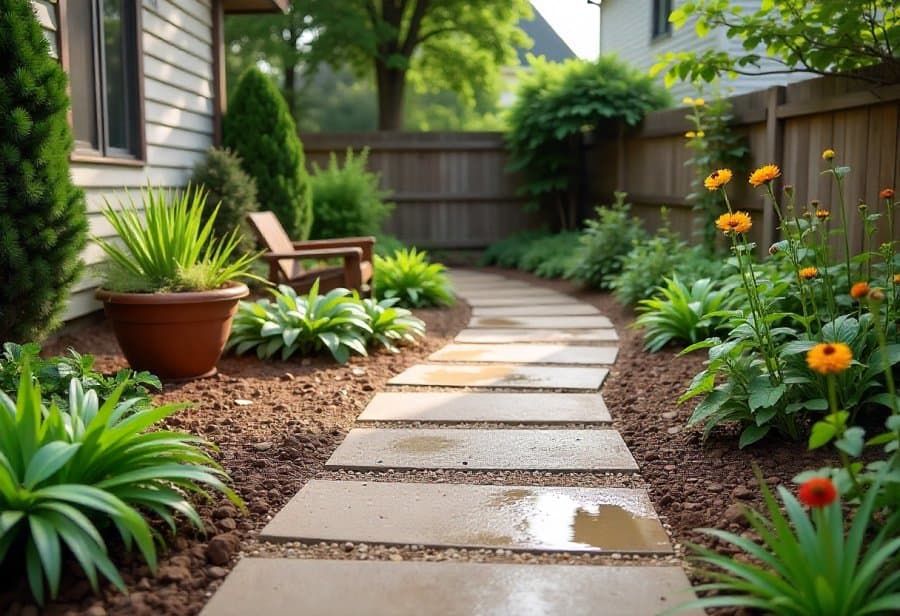
Harnessing Permeable Pavers to Combat Urban Flooding
Urban flooding has become an increasingly urgent challenge as cities grow denser and weather patterns grow more unpredictable. Heavy rainstorms can overwhelm traditional drainage systems, leading to water pooling on streets, flooding neighborhoods, and causing costly damage. These floods disrupt daily life, threaten safety, and strain emergency services, highlighting the need for smarter water management solutions.
Permeable pavers offer a practical and sustainable way to address these issues. Unlike standard concrete or asphalt, these surfaces are designed to let rainwater pass through them and seep into the ground below. By promoting natural infiltration, permeable pavers help reduce runoff, easing the burden on stormwater systems during heavy storms. This process not only lessens flood risk but also helps keep streets and neighborhoods safer and more functional.
One of their key advantages is groundwater recharge. As rainwater filters through the porous surface, it replenishes underground aquifers that support local water supplies. Simultaneously, permeable pavers act as natural filters, trapping debris and pollutants that would otherwise wash into waterways or stormwater drains. This dual function benefits ecosystems and enhances water quality, making urban areas more resilient to water-related challenges.
Traditional paving materials like concrete and asphalt lack this water-permeable quality, which makes them less effective during heavy rainfall. As climate change intensifies storm events and urban sprawl continues, the need for innovative water management solutions becomes clearer. Permeable pavers provide a smart alternative that not only prevents water pooling but also contributes to greener, more adaptable cities.
Beyond flood mitigation, permeable pavers improve urban aesthetics and community resilience. They can be installed in parking lots, sidewalks, and public spaces, transforming functional infrastructure into inviting, environmentally friendly environments. These surfaces encourage walking, social interaction, and neighborhood pride, making communities more vibrant and cohesive.
Understanding how permeable pavers work and their benefits sets the foundation for exploring their evolution and current applications. As technology advances and cities recognize their value, permeable paving is poised to become a key component of sustainable urban planning, helping communities stay ahead of water-related risks and build more resilient cities.
Tracing the Evolution of Permeable Paving from Past to Present
Permeable paving technology didn’t spring up overnight; it has a long history of evolving to meet the demands of urban water management. Early solutions primarily involved natural materials like gravel and crushed stone, which allowed water to pass through easily. These surfaces were inexpensive and simple to install, making them popular choices in rural settings and low-traffic areas. Their main advantage was reducing runoff, especially before urban flooding became a widespread concern.
As cities grew denser, engineers looked for more durable, reliable options. The development of permeable concrete marked a significant step forward. Combining the strength of traditional concrete with porous properties, this innovation made permeable surfaces suitable for busier streets and parking lots. Interlocking pavers with enhanced permeability further expanded options, offering both functionality and aesthetic flexibility—key features for urban environments that value design alongside drainage.
During the 1990s and early 2000s, technological advances improved these systems considerably. Researchers refined porous concrete mixes and improved installation methods to ensure longevity under heavy use. These advancements meant permeable pavers could withstand modern infrastructure demands while effectively filtering water and reducing runoff. Cities increasingly saw permeable paving as a practical, sustainable alternative to conventional surfaces, especially in stormwater management strategies.
The adoption of permeable paving in large-scale projects marked a turning point. Many North American and European cities began integrating these surfaces into their urban planning, driven by stricter environmental regulations and rising flood risks. Case studies from these regions demonstrated that well-designed permeable systems could significantly decrease urban flooding during heavy storms. These successes helped shift perceptions, making permeable paving a trusted solution for diverse urban settings.
Material science innovations continued to push the technology further. High-performance porous concrete and advanced interlocking systems emerged, offering greater durability and resistance to clogging. Manufacturing techniques improved, resulting in longer-lasting surfaces that maintained permeability even in challenging conditions. These developments boosted confidence among city planners and engineers, making permeable pavers a mainstream choice for sustainable urban development.
Today, permeable paving is recognized as a vital part of green infrastructure. Its versatility allows installation in parking lots, sidewalks, plazas, and roadway shoulders, handling high traffic volumes without sacrificing permeability. Ongoing research explores smarter materials and integrated stormwater systems, aiming to enhance performance and reduce maintenance needs. As cities prioritize climate resilience, permeable pavers are poised to become an essential element of smart urban design.
The evolution of permeable paving reflects a broader shift toward eco-friendly, resilient cities. From humble beginnings with simple gravel surfaces to sophisticated, durable systems, this technology continues to adapt. With each new development, permeable pavers offer a practical way to manage water sustainably, helping cities stay ahead of flood risks and build more livable, environmentally conscious communities.
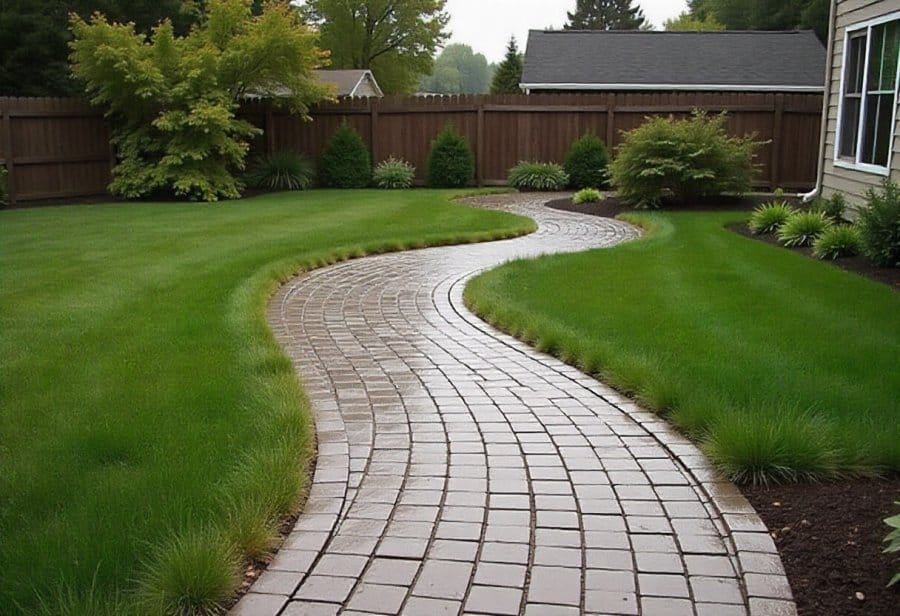
The Modern Landscape of Permeable Pavers: Innovation and Application
Today, permeable pavers are increasingly recognized as a vital part of modern urban infrastructure. They’re being adopted in a wide range of settings, from busy parking lots and sidewalks to plazas and roadway shoulders. Thanks to ongoing innovations in materials and manufacturing processes, these surfaces are now more durable, cost-effective, and capable of handling higher traffic volumes without losing their permeability. This versatility makes them an attractive choice for cities aiming to incorporate green infrastructure solutions that address flooding and promote sustainability.
Modern permeable pavers stand out not only for their functionality but also for their aesthetic appeal. They can be customized in various shapes, sizes, and colors, blending seamlessly into urban design while providing effective stormwater management. Their ability to resist clogging from dirt and debris ensures consistent water flow, helping cities reduce runoff and alleviate pressure on stormwater systems during heavy rains. This reliability has led many municipalities to see permeable paving as a practical, long-term investment in urban resilience.
Regional differences influence how permeable pavers are integrated into city planning. In Europe, countries like the Netherlands and Germany have incorporated these surfaces into their urban layouts driven by strict environmental regulations. In North America, cities such as Portland and New York actively promote permeable pavers as part of broader green infrastructure initiatives, supported by policies incentivizing eco-friendly development. Meanwhile, in Australia and parts of Asia, innovative applications include large-scale stormwater systems and community-focused projects, demonstrating a global shift toward sustainable urban water management.
Despite their advantages, permeable pavers face challenges that can hinder widespread adoption. In high-traffic zones or areas prone to intense rainfall, permeability can decline over time due to clogging from sediments and debris. Regular maintenance, including sweeping and inspections, remains essential to sustain their effectiveness. Although installation costs are decreasing, the initial investment can still be a barrier for some projects, especially compared to traditional materials. Proper site assessment and quality materials are crucial to maximizing their lifespan and performance.
Looking ahead, ongoing research and technological advances promise to enhance permeable paving’s role in urban flood mitigation. Smarter materials that resist clogging, embedded sensors for real-time monitoring, and modular designs for easier maintenance are on the horizon. These innovations will make permeable pavers more accessible, durable, and efficient, encouraging cities worldwide to integrate them into their infrastructure. As climate challenges intensify, permeable paving stands to become a cornerstone of resilient, sustainable urban development.
As cities continue to prioritize sustainable water management solutions, the role of permeable pavers in enhancing groundwater recharge becomes increasingly significant. They promote water filtration and help replenish aquifers, contributing to healthier urban ecosystems. For more insights on how permeable paving supports groundwater recharge, you can visit Permeable pavers promote groundwater recharge and water filtration.
Real-World Benefits: Enhancing Communities and Resilience with Permeable Paving
Permeable pavers do more than just prevent flooding; they provide tangible benefits that strengthen communities and improve urban living. By allowing rainwater to naturally seep into the soil, these surfaces significantly reduce runoff during storms, which helps protect homes, roads, and infrastructure from water damage. This decrease in flood risk translates into fewer disruptions, lower repair costs, and enhanced safety for residents. As a result, neighborhoods become more resilient, with less strain on emergency services and a greater capacity to withstand extreme weather events.
Beyond flood mitigation, permeable pavers transform urban spaces into vibrant, inviting environments. When installed in parks, sidewalks, and public plazas, they create aesthetically pleasing landscapes that encourage walking, social gathering, and community engagement. Their natural look and customizable designs add to the charm of neighborhoods, fostering a sense of pride and ownership among residents. These surfaces turn functional infrastructure into attractive features that boost neighborhood identity and support a healthier, more connected community.
A key advantage of permeable pavers is their role in supporting groundwater recharge. As rainwater filters through the porous surfaces, it replenishes underground aquifers, reducing reliance on treated surface water and helping sustain local water supplies. Simultaneously, these surfaces act as natural filters, trapping debris and pollutants that would otherwise wash into waterways or stormwater systems. This dual function benefits ecosystems, improves water quality, and promotes environmental health in urban areas.
Cities that have adopted permeable paving see clear, real-world results. For example, Portland, Oregon, replaced traditional asphalt with permeable interlocking pavers, leading to noticeable reductions in runoff and local flooding during storms. European cities like Berlin and Amsterdam incorporate permeable surfaces into their broader green infrastructure strategies, demonstrating how these solutions can be integrated effectively into urban planning. These success stories highlight the practicality and long-term value of permeable pavers in creating resilient, sustainable cities.
Implementing permeable paving requires careful planning and ongoing maintenance. Proper site assessment ensures the system is designed to handle local rainfall and soil conditions, maximizing effectiveness. Routine cleaning, such as sweeping and inspections, prevents debris buildup that can clog pores and diminish permeability. When maintained correctly, permeable pavers can last for decades, offering durable protection against water-related challenges while enhancing urban aesthetics.
Looking ahead, advancements in materials and technology promise to make permeable pavers even more effective and easier to sustain. Innovations like clog-resistant materials, embedded sensors for real-time monitoring, and modular designs will reduce maintenance burdens and extend lifespan. As cities continue to prioritize climate resilience, permeable paving is set to become a standard feature in sustainable urban infrastructure, blending environmental benefits with improved quality of life for communities.
Transform Your Toronto Outdoors with Expert Landscape Design
Discover how Toronto Landscape & Design can elevate your outdoor space with our comprehensive landscaping services. Our award-winning designers meticulously consider every detail to create stunning natural stone features, water gardens, and irrigation systems that enhance your property’s beauty and functionality. Whether you’re looking to implement professional landscaping or want to reduce backyard flooding, our team is dedicated to crafting a beautiful retreat tailored to your lifestyle. Specializing in retaining walls and water features, we transform ordinary yards into extraordinary outdoor living areas. Contact us at https://TorontoLandscapeDesign.com or call 1.416.644.0499 to start your landscape transformation today.
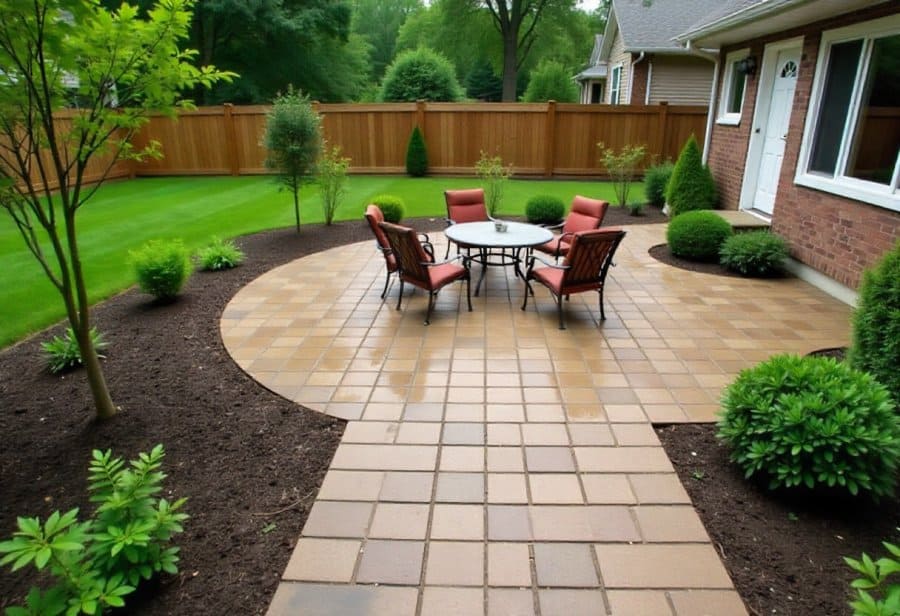
Shaping the Future of Urban Flood Management with Permeable Pavers
As cities grow and climate change intensifies storm patterns, permeable paving will become an increasingly vital tool in urban flood mitigation. The proven ability of permeable pavers to reduce runoff, promote groundwater recharge, and filter pollutants positions them as a practical, sustainable solution for building resilient communities. Advances in materials and design are making these surfaces more durable, easier to maintain, and capable of handling larger volumes of water, ensuring they can serve cities effectively over the long term.
Future developments will likely focus on smarter, clog-resistant materials that extend lifespan and improve performance. Embedded sensors and modular systems could enable real-time monitoring of water flow and system health, allowing for targeted maintenance and quicker responses during storms. These innovations will not only reduce operational costs but also make the technology more accessible and reliable, encouraging broader adoption across diverse urban environments.
Policy support will be crucial in expanding permeable paving’s role in sustainable city planning. Cities worldwide are increasingly recognizing green infrastructure as a priority, updating zoning codes and offering incentives like grants and tax credits that motivate property owners and developers to choose permeable options. Stronger regulatory frameworks will accelerate the transition from traditional surfaces to eco-friendly alternatives, embedding permeable paving into the fabric of resilient urban design.
Community awareness and education will also play a key role in driving adoption. Demonstrating successful projects and sharing tangible benefits—such as improved neighborhood aesthetics, reduced flood risks, and enhanced water quality—can help overcome initial cost concerns and resistance to change. When residents see how permeable pavers contribute to a safer, greener environment, support for widespread implementation grows naturally.
Integrating permeable paving with other green infrastructure elements like rain gardens, green roofs, and bioswales can create comprehensive systems that manage stormwater more effectively. These combined strategies transform flood-prone areas into vibrant, sustainable neighborhoods that are better prepared for extreme weather events. Such an integrated approach not only improves water management but also enriches urban biodiversity, aesthetics, and community well-being.
While challenges like high upfront costs and maintenance requirements remain, ongoing research into more cost-effective, low-maintenance solutions promises to lower barriers. Sharing best practices and success stories worldwide will build confidence and inspire more cities to embrace this technology. As innovative materials and monitoring tools become mainstream, permeable paving is set to become a cornerstone of future urban resilience, turning flood mitigation from reactive to proactive.