Learning to drive is a pivotal rite of passage that intertwines excitement with internal struggles. As teens step into independence, they grapple with nerves, self-doubt, and fear of failure—emotions that can feel overwhelming yet are universally experienced. This journey is more than mastering mechanics; it’s about cultivating resilience, confidence, and trust within oneself. Supportive environments, gradual exposure to complex scenarios, and celebrating small victories transform anxiety into empowerment. But does overcoming these internal barriers truly ease the road to independence? This guide explores how patience, reflection, and consistent practice nurture not just skilled drivers but resilient individuals capable of facing life’s challenges with self-assurance. It’s a reminder that the journey from nervous beginner to confident driver is as much about emotional growth as technical skill—raising the question: what other hurdles can growth help us conquer beyond the driver’s seat?
Embark on the Journey of Teen Driving: A Step Towards Independence
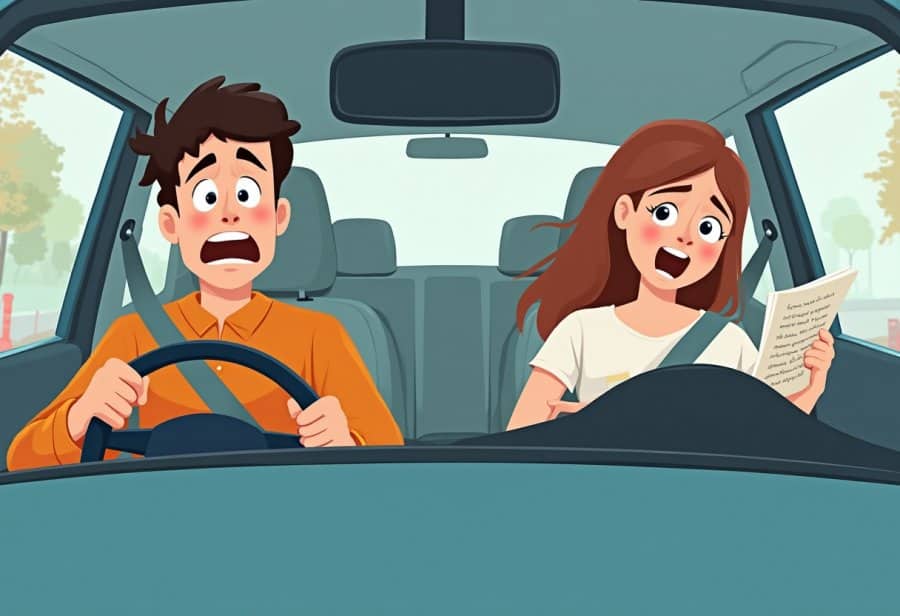
Learning to drive as a teen is one of those moments that mixes excitement with a touch of anxiety. It’s a milestone that signals growing independence—suddenly, the world opens up a little more, and the boundaries of childhood start to shift. But beneath that sense of freedom, many young drivers feel nervous, unsure, or even scared. Sitting behind the wheel for the first time or navigating busy streets can bring a flood of emotions, from anticipation to self-doubt.
This emotional landscape is a normal part of the learning process. Teens often worry about making mistakes, causing accidents, or just not being in control. These feelings can be overwhelming, especially when they’re faced with the responsibility of handling a powerful vehicle in unpredictable traffic. Recognizing that nerves and fears are common helps normalize the experience, turning it into a shared journey rather than a sign of inadequacy.
Driving isn’t just about mastering mechanics or traffic laws; it’s about internal growth. For many teens, this new skill becomes a symbol of stepping into adulthood—a moment where independence is both earned and tested. The transition from nervous beginner to confident driver involves more than just practice; it’s about building trust in oneself and learning to manage the internal doubts that come with new responsibilities.
Support from parents, instructors, and peers plays a crucial role here. When teens understand that feeling anxious is normal and that everyone faces hurdles along the way, they’re more likely to approach learning with curiosity rather than fear. Small victories—like making a successful turn or parking smoothly—become confidence boosters, turning nervous energy into a sense of achievement.
This journey is as much about emotional resilience as it is about driving skills. Each experience behind the wheel, especially in challenging situations, helps teens develop the mental toughness needed to handle stress and make quick decisions. Recognizing their fears, normalizing setbacks, and celebrating progress help transform nerves into confidence, paving the way for a safer, more self-assured driving future.
Navigating Emotional Challenges: Understanding Teen Drivers’ Inner Battles
Learning to drive can be an emotionally intense experience for teens. Many face a flood of psychological hurdles like self-doubt, fear of failure, and anxiety about causing an accident. These feelings often stem from the weight of responsibility that driving entails—suddenly, they’re in control of a powerful machine in unpredictable traffic. This high-stakes environment can lead to hesitation, overthinking, and stress, which may interfere with their ability to focus and react confidently. Recognizing that these emotional reactions are natural is crucial; they are part of the process of growth, not signs of inadequacy.
Most new teen drivers experience nerves when they first sit behind the wheel. They worry about making mistakes or causing harm, and these fears can quickly spiral into self-doubt about their capabilities. The fear of failure—whether it’s messing up a maneuver or embarrassing themselves—adds an extra layer of pressure that can be hard to shake. These worries are universal, and understanding that feeling anxious is normal helps teens accept their emotional state rather than fight it.
Building confidence in teen drivers depends heavily on consistent practice and positive reinforcement. Starting with simple exercises in quiet parking lots or residential streets allows them to become familiar with the vehicle without the chaos of traffic. These low-pressure environments help turn nervousness into familiarity, gradually building their trust in their own control. Celebrating small successes—like executing a smooth turn or parking neatly—reinforces their progress and shifts focus from fear to accomplishment.
Techniques like deep breathing, visualization, and breaking tasks into manageable steps can be powerful tools for managing anxiety. When teens take slow, deliberate breaths before or during driving, it calms their nerves and clears their mind. Visualizing successful maneuvers helps them approach challenges with a positive mindset, reducing hesitation. Practicing in controlled environments before tackling busier roads allows them to develop their skills at a comfortable pace, making the transition to more complex scenarios less intimidating.
As they gain experience, exposure to different driving environments becomes key. Navigating suburban streets, highways, or even city traffic helps expand their comfort zone. Each new scenario provides an opportunity to reinforce their skills and build resilience. When teens see themselves handling these situations calmly, their self-trust grows, and the internal doubts begin to diminish. This gradual process ensures that nerves don’t turn into permanent barriers but instead become stepping stones toward confidence.
Supporting teens emotionally throughout this journey is essential. Encouragement should emphasize effort and progress rather than perfection, helping them understand that setbacks are normal. When mistakes happen, framing them as learning opportunities rather than failures fosters a growth mindset. Patience from parents and instructors creates a safe space where teens feel free to experiment, take risks, and learn without fear of judgment. This environment nurtures resilience, helping transform anxiety into a sense of capability.
Recognizing and validating their emotional struggles helps teens feel understood and supported. When they realize that many others have faced similar fears, it normalizes their experience and reduces feelings of isolation. This understanding encourages perseverance and fosters a healthier attitude toward learning to drive. Over time, as their confidence builds, these internal fears gradually give way to a sense of readiness and independence.
Ultimately, learning to drive is as much about emotional growth as it is about technical skill. When teens learn to manage their nerves and develop resilience, they not only become better drivers but also more prepared for future challenges. This process of transforming nerves into confidence creates a foundation for responsible, self-assured individuals—ready to navigate life’s roads with trust in themselves and their abilities.

Transforming Nervousness into Confidence: Empowering Teens Behind the Wheel
Building confidence behind the wheel can transform how teens view themselves and their ability to handle challenges. When they notice steady improvement through consistent practice and positive feedback, a shift from uncertainty to capability takes hold. This growing sense of mastery encourages them to embrace responsibility and trust their instincts, turning driving into a symbol of their expanding independence.
One powerful way to foster this confidence is by allowing teens to set their own goals. Whether it’s perfecting parallel parking or navigating a busy intersection, achieving these small milestones builds their belief that they can handle more. Giving them control over their practice makes the process less intimidating and more engaging, transforming a daunting task into an achievable challenge. Celebrating each win, big or small, reinforces progress and fuels their motivation to grow.
Driving isn’t just about learning the mechanics; it’s about discovering what they’re capable of. Every successful trip or calm handling of a tricky traffic situation adds to their confidence. As they face diverse environments—suburban streets, highways, city roads—they learn resilience: staying calm under pressure and adapting quickly. These experiences do more than improve their driving; they develop their sense of responsibility and self-trust, which extends beyond the road.
Support from parents and instructors plays a key role in this confidence-building process. Creating a safe space where teens feel free to make mistakes and learn from them is essential. Feedback that emphasizes effort and progress, rather than perfection, helps foster a growth mindset. When teens understand setbacks are part of learning, they’re more likely to persevere. This supportive environment nurtures resilience, making the transition from nervous beginner to confident driver smoother and more sustainable.
Encouraging teens to reflect on their driving experiences also boosts their sense of empowerment. Asking what went well or what they felt confident about helps reinforce positive perceptions of their abilities. Recognizing progress, no matter how small, builds a mindset focused on growth rather than perfection. Over time, this reflection helps solidify their belief that they can handle increasingly complex situations, both on the road and in life.
Confidence is the foundation of safe, responsible driving and broader independence. When teens feel empowered behind the wheel, they approach each challenge with enthusiasm and responsibility. Nurturing this confidence through patience, encouragement, and celebrating milestones prepares them not just for the road ahead but for future challenges. It turns nervous teens into self-assured individuals ready to face life’s hurdles with trust in themselves.
Practical Strategies to Build Driving Confidence Step-by-Step
Building confidence in teen drivers begins with small, manageable steps that gradually build their trust behind the wheel. Practicing in quiet parking lots or familiar neighborhoods allows them to focus on basic maneuvers without the pressure of traffic. These low-stakes environments help transform nervousness into familiarity, giving teens a sense of control as they learn to steer, brake, and accelerate smoothly. Repeating these exercises regularly reinforces their skills and makes each driving experience more predictable, reducing anxiety over time.
Breaking complex tasks into simple, focused steps makes intimidating maneuvers less daunting. For instance, dedicating a session solely to perfecting parallel parking or practicing merging lanes helps teens master each skill individually. This approach prevents overwhelm and creates a clear path of progress. Celebrating small wins—like executing a clean turn or parking neatly—boosts their confidence and motivates them to tackle more challenging situations gradually.
Supporting teens emotionally during this process is just as important as honing their skills. Praise should emphasize effort and improvement rather than perfection. When mistakes happen, framing them as opportunities to learn keeps motivation high and fosters a growth mindset. Patience from parents and instructors ensures the experience remains positive, helping teens view setbacks as part of the journey rather than failures. This encouragement helps build resilience and a sense of safety in trying new things.
Visualization techniques can be powerful tools for building confidence. Before starting a drive or attempting a tricky maneuver, teens can picture themselves completing it calmly and successfully. Paired with deep breathing exercises, visualization calms nerves and prepares their mind for success. Practicing in controlled environments before moving on to busier roads allows teens to develop their skills in a safe space, paving the way for smoother transitions into more complex traffic scenarios.
As their experience grows, gradually exposing teens to busier streets and more challenging environments reinforces their confidence. Each new setting—whether a suburban street or a lightly trafficked highway—serves as a stepping stone. Celebrating these milestones reassures teens of their ability to handle diverse driving conditions, fostering a sense of independence. This paced approach ensures steady progress, transforming initial nerves into a steady, confident presence behind the wheel.
Creating a supportive environment where mistakes are viewed as part of learning is vital. Encouraging teens to reflect on what went well and what they felt confident about reinforces positive perceptions of their abilities. Recognizing progress, no matter how small, helps cultivate a mindset focused on growth rather than perfection. Over time, this reflection helps solidify their belief that they can manage increasingly complex driving tasks—and, by extension, other responsibilities in their lives.
By taking deliberate, step-by-step actions, teens can steadily build their confidence and resilience. Patience, encouragement, and consistent practice lay the groundwork for responsible, self-assured drivers. Each small success adds to their trust in themselves, turning nervous beginnings into a strong foundation of independence. Supporting teens through this process not only prepares them for safe driving but also nurtures their overall sense of capability and growth beyond the road.

Patience and Growth: The Path to Confident, Responsible Drivers
Learning to drive is a journey that extends well beyond earning a license. It’s a process of ongoing growth, patience, and self-discovery that shapes not only competent drivers but resilient individuals. Progress rarely happens overnight; it’s built step by step through consistent effort and a willingness to learn from every experience. Recognizing small milestones—like confidently navigating a new route or handling tricky parking—reinforces that improvement is a gradual, steady process worth celebrating.
Patience remains one of the most valuable tools in this journey. Teens will face setbacks, moments of self-doubt, and frustration, but these are natural parts of building confidence. Giving them the freedom to progress at their own pace fosters a healthier relationship with driving and learning itself. When mistakes occur, framing them as opportunities to grow rather than failures encourages perseverance and resilience. This mindset helps teens see challenges as part of the learning curve, not as insurmountable barriers.
Support from parents and instructors plays a crucial role in nurturing this patience. Clear, encouraging feedback and realistic expectations create a safe environment where teens feel empowered to take risks and experiment. Celebrating effort over perfection helps them understand that mastery develops gradually through persistence. When they see their own progress, they develop trust in their abilities and a sense of ownership over their learning journey.
As teens become more comfortable behind the wheel, gradually introducing them to more complex scenarios—night driving, highway merges, or city traffic—expands their skills and confidence. Each new challenge becomes a stepping stone, not a hurdle. Maintaining a supportive and patient attitude ensures they don’t feel overwhelmed, turning each experience into an opportunity for growth rather than a moment of fear.
Building confidence isn’t just about technical skill; it’s about fostering a mindset of self-trust and resilience. When teens learn to handle setbacks with patience and a growth perspective, they develop qualities that serve them far beyond the road. These lessons in persistence and self-belief lay a foundation for responsible, independent adulthood.
Encouraging reflection along the way helps solidify their progress. Asking teens what they’ve learned or what they felt proud of reinforces positive perceptions of their abilities. Recognizing how far they’ve come boosts motivation and helps them internalize their growth. Over time, this process turns nervous beginnings into confident, self-reliant drivers ready to face future challenges.
Remember, patience and ongoing support are key to transforming nerves into confidence. Each small step forward builds a stronger sense of capability and independence. By fostering a calm, encouraging environment, we help teens not only master driving skills but also develop the resilience needed for life’s many roads ahead.
Supporting teens through this learning curve isn’t just about safe driving; it’s about shaping individuals who approach challenges with patience, perseverance, and trust in themselves. Every obstacle they overcome on the road becomes a lesson in resilience—one that will serve them well long after they’ve earned their license. With steady guidance and understanding, we prepare them not just to drive safely but to navigate life with confidence.