Embark on a humorous yet relatable journey through the chaos of DIY computer upgrades, where tangled wires, elusive screws, and incompatible parts turn a simple task into a comedic adventure. This guide reveals that beneath the surface of technical frustration lies a world of surprises—misplaced screws, spilled coffee, and tangled cables—that can transform an everyday upgrade into a memorable story. It challenges enthusiasts to embrace patience, organize their workspace, and see setbacks as opportunities for growth and humor. Are you ready to navigate the wild, chaotic landscape of tech tinkering and emerge with newfound skills and a healthy dose of laughter? This exploration highlights that perfection isn’t the goal; resilience, humor, and learning are what truly define the upgrade experience, making every mishap a step toward mastery and a story worth sharing.
Dive into the Humorous Chaos of DIY Computer Upgrades
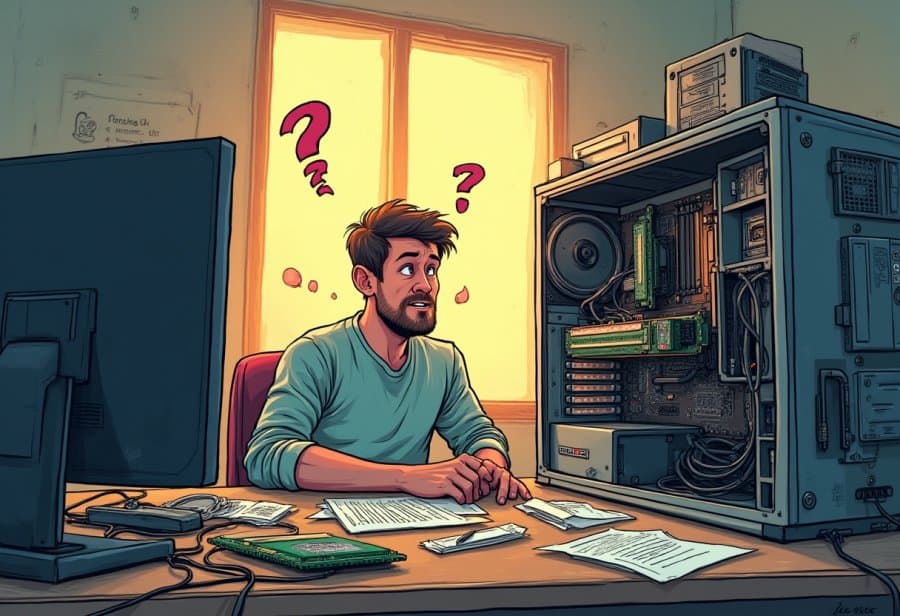
Upgrading your computer on your own often feels like stepping into a chaotic comedy sketch. What starts as a simple plan—swap out a hard drive or add some RAM—quickly turns into a scene of tangled cables, scattered tools, and a mountain of confusion. You might find yourself surrounded by wires sprawling across your desk like a spaghetti monster, each one seemingly fighting for space and attention. It’s a familiar sight for anyone who’s tried to take matters into their own hands.
Many DIYers begin with high hopes—imagining a quick swap, a few connections, and an instant boost in performance. But the reality often involves unexpected hurdles. Cables cross in every direction, screws disappear into nooks and crannies, and components sometimes refuse to fit just right. It’s common to spend more time untangling wires than actually installing hardware. That cluttered chaos inside your case can make even simple tasks feel like a puzzle with no clear solution, testing your patience and sense of humor alike.
Hardware compatibility surprises are another frequent source of chaos. You might discover that your new RAM sticks, which looked perfect online, aren’t supported by your motherboard. Or perhaps your shiny graphics card doesn’t quite fit into the case because of a few millimeters. These small setbacks can lead to hours of troubleshooting, often with a mix of frustration and amusement. Sometimes, you’ll find yourself pressing the power button repeatedly, wondering if your PC has developed a personality and is just playing hard to get.
Adding to the comedy are those moments when tiny screws seem to vanish into thin air. No matter how careful you are, a screw will slip from your grasp and disappear into the depths of your desk or case. Crawling around on the floor or flipping components over in search of that elusive piece becomes a ritual. It’s almost funny how such a small part can cause such a big delay, turning an otherwise quick upgrade into a game of hide and seek.
Unexpected surprises keep the process lively. A spilled coffee, a knocked-over snack, or even a static shock from forgetting your anti-static wrist strap can turn your upgrade into a mini disaster. These mishaps often make you pause, take a breath, and realize that even the best plans can go sideways in hilarious ways. Following tutorials perfectly still doesn’t guarantee a smooth ride; cables get tangled, screws vanish, and systems refuse to start, reminding you that patience and humor are your best tools.
Inside your case, the chaos often looks like a jungle of looping wires and curling cables. Untangling this mess can feel like solving a puzzle with no clear solution, sometimes taking longer than the actual hardware installation. You might spend more time organizing cables than installing the components themselves. Despite the absurdity, these moments often become stories you laugh about later—like that time a power cable turned into a half-hour adventure because it was buried beneath others. It’s these mishaps that turn a straightforward upgrade into a memorable, if chaotic, adventure.
The Comedy and Frustration of Tangles, Screws, and Hardware Hiccups
When you start a DIY computer upgrade, chaos often becomes your constant companion. One of the most common sights is a tangle of cables snaking inside your case, looking more like a spaghetti monster than a neat setup. Trying to disconnect or reconnect a single wire can feel like pulling on a loose thread that threatens to unravel everything, leading to more frustration than progress. Often, you end up spending more time untangling cables than actually installing new hardware, turning what should be a straightforward task into a daunting obstacle course.
Screws are another source of endless comedy—and chaos. No matter how carefully you handle them, they seem to have a mind of their own. One moment, you’re holding a tiny screw with precision, and the next, it slips from your fingers and disappears into the depths of your desk or case. Crawling around on the floor or flipping components over in search of that elusive piece becomes routine. It’s almost humorous how such a small part can cause hours of delay, transforming a quick upgrade into a game of hide and seek.
Hardware itself often refuses to cooperate, adding to the chaos. You might find your shiny new RAM sticks incompatible with your motherboard, despite the “plug-and-play” promises. Or your graphics card, which looked perfect online, won’t quite fit inside your case because of a few millimeters. Trying to seat components that aren’t aligned properly can lead to errors or a non-starting system, making you question every step you took. Troubleshooting these hiccups involves trial and error, which can be maddening—and sometimes downright funny.
Unexpected surprises keep the process lively. A spilled cup of coffee, a static shock from forgetting your anti-static wrist strap, or a knocked-over snack can turn a routine upgrade into a mini disaster in seconds. These moments make you pause, breathe deeply, and realize that even the best plans can go sideways in hilarious ways. Following tutorials perfectly doesn’t guarantee a smooth ride; cables get tangled, screws vanish, and systems refuse to boot, reminding you that patience and humor are your best tools.
Inside your case, the chaos often looks like a jungle of looping wires and curling cables. Untangling this mess can feel like solving a puzzle with no clear solution, sometimes taking longer than installing the hardware itself. Organizing cables as you go, labeling them, or using cable clips can make future upgrades less painful. Despite the absurdity, these moments often become stories you laugh about later—like that time a power cable turned into a half-hour adventure because it was buried beneath others. It’s these mishaps that turn a straightforward upgrade into a memorable, if chaotic, adventure.

Mastering the Art of Navigating Upgrade Chaos with Patience and Strategy
When chaos starts to take over during a DIY upgrade, the best tactic is to get organized from the outset. Spread out all your parts, tools, and manuals before you even touch a screwdriver. Knowing exactly what components you have and double-checking their compatibility can save you hours of frustration. It’s a simple step, but it prevents many rookie mistakes and keeps the process flowing more smoothly.
Cable management might seem like a tedious chore, but investing a few minutes here pays off big time. When cables are tangled and crossing in every direction, troubleshooting becomes a nightmare. Label or color-code cables as you disconnect them so reconnecting later is straightforward. Use Velcro straps or cable clips to tidy up the mess, which makes future upgrades much easier and your case look less like a spaghetti monster. Keeping cables organized isn’t just neat—it’s practical.
Patience is your best friend when things don’t go as planned. If a component doesn’t seat properly or a screw refuses to tighten, resist the urge to force it. Instead, pause, review your steps, and check that everything is aligned correctly. Often, small missteps—like an improperly seated RAM or loose connections—are the root of the problem. Rushing usually leads to more errors or even damaging parts, so take your time and trust that patience will help you avoid bigger setbacks.
When you encounter a snag, don’t hesitate to reach out for help. Online forums, tech communities, and tutorial videos are full of folks who’ve faced the same issues. A quick search or a funny post can offer solutions and new perspectives that you might not have considered. Sometimes, seeing how someone else handled a similar problem makes it easier to find your own fix. These resources turn what feels like chaos into a manageable puzzle.
Remember that setbacks are part of the process. A cable that won’t stay in place or a component that seems stubbornly incompatible are just bumps in the road. Taking short breaks or stepping back for a moment often clears your head and reveals simple solutions. Sometimes, a fresh look or a gentle nudge is all that’s needed to move forward. Keeping a sense of humor about the mishaps transforms frustration into progress.
Handling the tangled mess inside your case can feel overwhelming. Approach it like a puzzle: work systematically, untangle one section at a time, and stay patient. Organize cables as you go, and don’t be afraid to take extra time to tidy up. This effort pays off by making future upgrades smoother and reducing accidental disconnections. Plus, a tidy case just looks better—and feels more manageable.
Finally, every challenge you face is a learning opportunity. Each tangled wire or awkward fit builds your troubleshooting skills and boosts your confidence. Embracing the chaos as part of the journey turns frustrations into growth moments. Over time, what once seemed overwhelming becomes second nature—and even amusing. Maintaining humor and patience makes the entire process more rewarding and less stressful.
Embrace the Mayhem: Turning DIY Mishaps into Memorable Adventures
When you look back at your DIY upgrade adventures, it’s clear that chaos is almost unavoidable. No matter how carefully you plan or how many tutorials you follow, surprises will pop up—tiny screws that vanish into thin air, tangled wires that seem to have a life of their own, or parts that stubbornly refuse to fit. But instead of seeing these moments as failures, embrace them as part of the process. These mishaps often become funny stories you’ll laugh about later, once everything is up and running smoothly. Their role isn’t to frustrate you but to remind you that even the best-laid plans can go sideways, and that’s part of the fun.
Learning to find humor in these situations is a skill worth developing. Every tech enthusiast has faced that moment of frustration—the screw that slips away or a cable that refuses to untangle no matter how much patience you muster. Instead of getting annoyed, take a breath, step back, and see the humor in the chaos. These stories become part of your personal tech lore, something to share with friends or fellow builders when swapping war stories. They show us that perfection isn’t the goal—resilience, patience, and a sense of humor are what truly matter in the end.
Mistakes are inevitable, but they’re also powerful teachers. Each misstep builds your troubleshooting skills and boosts your confidence. Over time, what once felt overwhelming now feels manageable—and often funny. These moments serve as reminders that no one gets it right on the first try, and that’s perfectly okay. Every failure is a stepping stone toward mastery, often accompanied by a good laugh. Instead of dreading mishaps, see them as badges of honor that mark your growth as a builder.
Patience and humor are your best allies when things go sideways. Rushing or getting angry only amplifies the chaos. Instead, take a deep breath, maybe step away for a moment, and then return with a clear head. More often than not, the solution is just a small adjustment away. Maintaining a light-hearted attitude transforms a stressful situation into a learning opportunity. It keeps the process enjoyable and helps you stay motivated, even when cables tangle or parts don’t cooperate.
Finally, support from online communities can turn frustration into camaraderie. Forums, tutorial videos, and fellow tech enthusiasts are full of people who’ve faced the same chaos and come out stronger. Sharing your stories or asking for advice often leads to quick fixes and good laughs. These connections remind us that we’re not alone in the mess—help is just a click away, and many have been right where you are now. Embracing the chaos as part of the journey makes your DIY upgrades not just a task, but a memorable adventure worth sharing.
At the end of the day, every misstep and tangled wire adds to your experience. Each challenge overcome is proof of your growing skills and resilience. The more you accept the mess as part of the process, the smoother future projects become—and the more fun you’ll have along the way. These stories of chaos and comedy become part of your personal narrative, reminding you that the wildest moments often produce the best memories. Keep tinkering, keep laughing, and remember: in the world of DIY tech upgrades, chaos isn’t the enemy—it’s the spice that makes the journey worthwhile.
Finding Humor and Growth in the Wild Ride of Computer Upgrades
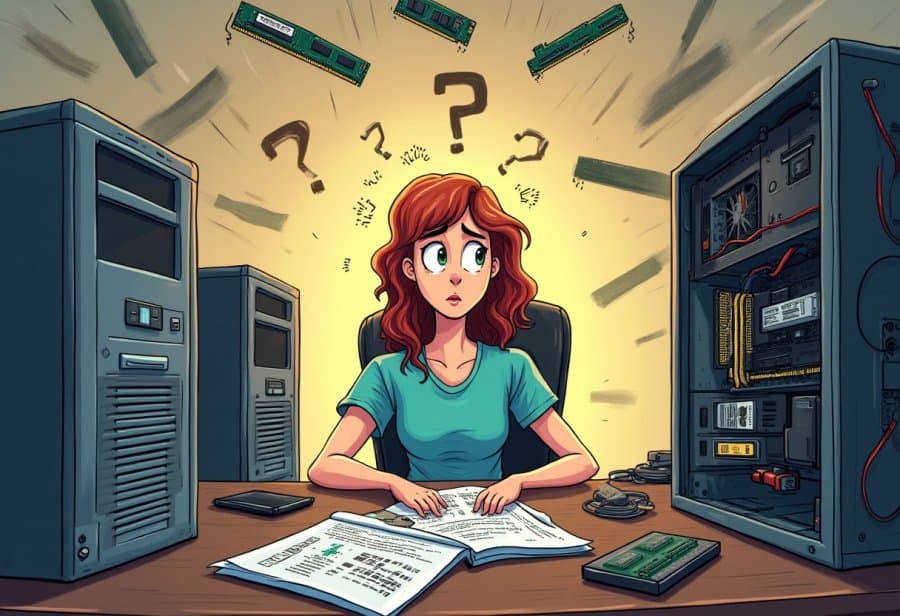
When you look back on your DIY upgrade adventures, one thing becomes clear: chaos is almost unavoidable. No matter how carefully you plan or how many tutorials you follow, surprises will pop up—tiny screws that vanish into thin air, tangled wires that seem to have a life of their own, or parts that stubbornly refuse to fit. Instead of seeing these moments as failures, embrace them as part of the journey. These mishaps often turn into funny stories you’ll laugh about later, once everything is up and running smoothly. The chaos becomes not just a challenge, but a badge of your growing skills and resilience.
Learning to find humor in these situations is a skill worth cultivating. Every tech enthusiast has faced that frustrating moment—losing a screw, battling a tangle of cables, or encountering incompatible hardware. Instead of letting frustration take over, stepping back and laughing at the absurdity can lighten the mood and turn the experience into a memorable story. These moments build your personal tech lore and remind you that perfection isn’t the goal—patience and a good sense of humor are what really matter.
Mistakes are inevitable, but they’re also powerful teachers. Each misstep sharpens your troubleshooting skills and boosts your confidence. Over time, what once seemed overwhelming now feels manageable—and even funny. These experiences show that no one nails every upgrade on the first try, and that’s okay. Every failure becomes a stepping stone toward mastery, often accompanied by a good laugh. Recognizing that setbacks are part of the learning process helps keep frustration at bay and makes the journey more enjoyable.
Patience and humor are your best allies when things go sideways. Rushing or getting angry only makes the chaos worse. Taking a moment to breathe, step back, and return with a clear head usually reveals simple solutions. Often, the fix is just a small adjustment or a fresh perspective. Maintaining a lighthearted attitude transforms stress into progress, making the process less daunting and more rewarding. It’s these moments—filled with tangled cables and awkward fits—that become the stories you’ll tell with a smile.
Support from online communities can turn frustration into camaraderie. Forums, tutorial videos, and fellow builders are full of people who’ve faced the same chaos and come out stronger. Sharing your stories or asking questions often leads to quick fixes and plenty of laughs. These connections remind us that we’re not alone in the mess—we’re part of a larger community that’s navigated similar chaos and learned from it. Embracing this shared experience makes the process feel less isolating and more like a collective adventure.
Every challenge you encounter along the way adds to your experience. Each tangled wire, awkward fit, or stubborn screw is a lesson in patience and persistence. Over time, handling these issues becomes second nature—and even funny. This mindset turns frustration into growth, transforming setbacks into stepping stones. The more you accept the mess as part of the process, the more confident you’ll become in tackling future upgrades.
In the end, your DIY upgrade story isn’t just about hardware—it’s about resilience, humor, and learning. The chaos, no matter how chaotic, is what makes the journey memorable. These moments of mishap and recovery are the stories you’ll proudly share, proof of your progress and patience. They serve as reminders that perfection isn’t the point—growth and a good laugh are what truly matter. Embracing the chaos transforms a stressful task into an adventure you’ll look back on fondly, knowing you’ve come out stronger and more capable.