Imagine transforming your daily dog walks from a chaotic tug-of-war into moments of trust, calmness, and connection. Mastering the art of walking calmly with your dog is more than just obedience; it’s about building a deeper bond rooted in mutual understanding. This journey involves patience, positive reinforcement, and consistent practice to help your dog focus and stay relaxed amidst distractions. With gentle guidance, the right tools, and a clear plan, even reactive or easily distracted dogs can learn to walk in harmony by your side. But what happens when setbacks occur or unfamiliar challenges arise? Navigating these hurdles requires preparedness and a calm demeanor, turning potential frustrations into opportunities for growth. By embracing this approach, you turn everyday outings into joyful, bonding experiences—making walks safer, more enjoyable, and a true reflection of your shared trust. Are you ready to unlock this peaceful, mutually rewarding connection?
Deepen Your Bond Through Calm Dog Walking
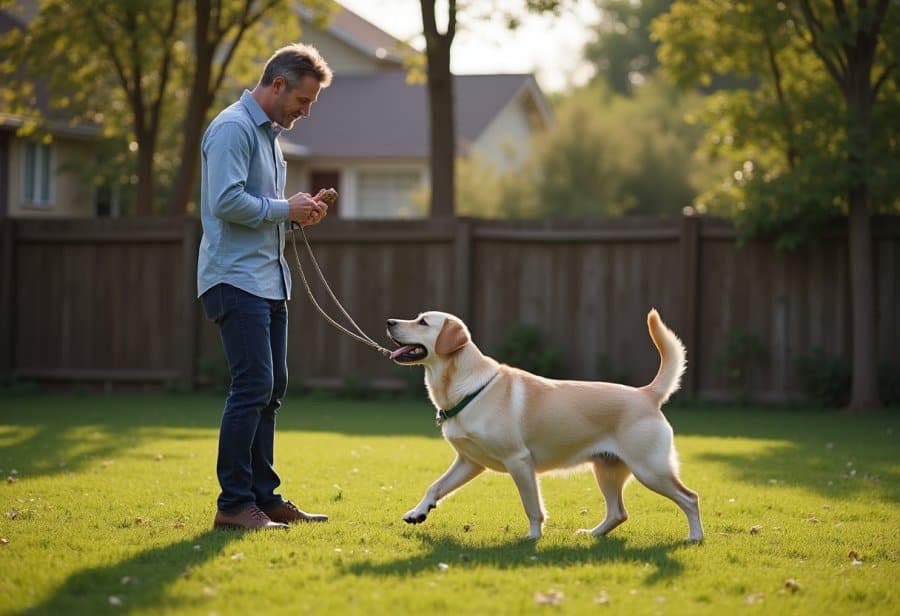
Mastering calm dog walking isn’t just about good manners—it’s about creating a deeper, more trusting bond with your pet. When your dog learns to walk politely at your side, what was once a routine activity becomes a shared experience of cooperation and understanding. These peaceful walks not only make outings more enjoyable but also significantly reduce stress for both of you, whether you’re navigating busy streets or strolling through quiet neighborhoods.
A calm walk helps your dog feel secure and confident. When they focus and stay relaxed, it boosts their trust in you and encourages a sense of safety. This isn’t just about obedience; it’s about building a communication channel where your cues are understood and respected. Over time, these relaxed outings foster mutual trust, turning everyday walks into moments of connection rather than frustration.
Consistency is key. Regular, patient practice helps your dog understand what’s expected, leading to fewer pulls and distractions. When your dog walks calmly, they’re not just behaving—they’re learning to rely on you and feel comfortable exploring by your side. This trust forms a foundation that benefits your entire relationship, making routines smoother and more enjoyable.
Enjoying your walks more is another benefit. Without tension or pulling, you can focus on the joy of shared moments. When your dog feels safe and knows what to expect, walks become a source of happiness instead of stress. It’s about transforming everyday routines into opportunities for trust-building and mutual happiness.
Beyond just walking, a calm, focused dog is easier to manage in social settings and less reactive to new situations. This training creates a solid base for good behavior across all areas of life. Taking small, consistent steps now can lead to a more harmonious relationship, where your dog feels confident and you feel more in control.
Starting this journey with patience and persistence sets the stage for lasting change. It’s not about overnight perfection but steady progress. As your dog learns to stay calm and attentive, your bond deepens naturally. Walking becomes more than exercise—it’s a shared moment of trust, opening the door to many peaceful adventures ahead.
Essential Principles for Effective Leash Training
Mastering calm walking with your dog starts with understanding some key principles that set the foundation for successful leash training. Patience is essential—every dog learns at its own pace, and rushing only leads to frustration. Positive reinforcement remains the most effective method; rewarding your dog with treats, praise, or gentle petting when they walk calmly helps them associate good behavior with pleasant outcomes. Your own attitude plays a critical role—staying relaxed and confident signals to your dog that there’s nothing to worry about, encouraging them to mirror that calmness.
Clear communication is vital. Using consistent commands like “heel” or “walk” every time your dog is on a leash helps them understand what you expect. These cues should be simple and used uniformly to prevent confusion. Building trust is just as important—gentle guidance combined with positive reinforcement shows your dog that staying by your side is safe and rewarding. This trust makes it easier for them to focus on you rather than external distractions.
Leash training has evolved from old dominance-based methods to more humane, science-backed approaches. Today, the focus is on creating a partnership rooted in mutual respect, not punishment. Reward-based techniques foster confidence and a positive emotional connection, which are vital for long-term success. When your dog learns that calm walking brings rewards, they become more attentive and relaxed during every walk.
Understanding key terms like “calm walking” and “heel command” helps improve your communication. Calm walking means a relaxed, steady pace where your dog stays focused and beside you without pulling or lunging. Mastering these behaviors transforms walks into safe, enjoyable routines that build trust and reduce stress. Consistent practice of these principles helps your dog naturally develop better leash manners, turning everyday walks into peaceful, bonding moments.
Strategies to Train Your Dog for Relaxed Walks
Training a dog for calm walks combines consistent techniques with a patient mindset. Start by establishing simple commands like “heel” or “walk,” which serve as clear cues for your dog to stay close and focused. When your dog responds correctly, reward them immediately with treats, praise, or gentle petting. This positive reinforcement helps your dog associate calm walking with pleasant outcomes, encouraging them to repeat the behavior.
Breaking training into small, manageable steps makes progress easier. If your dog pulls or becomes distracted, gently redirect their focus with a calm cue, then reward their attention. As your dog gets better, gradually extend walk lengths and introduce more distractions, always reinforcing calmness and attentiveness. Using tools like clickers or training aids can support these efforts but should complement your consistent practice, not replace it.
Patience is key—rushing or showing frustration can hinder your dog’s learning and create tension. Instead, aim for steady, positive sessions that build trust and confidence. If your dog becomes overwhelmed, take a step back to simpler environments and shorter sessions until they regain composure. Celebrating small successes along the way keeps motivation high and progress steady.
Incorporate distraction training gradually by exposing your dog to different environments and stimuli, rewarding calm behavior in each new setting. Avoid harsh corrections or punishment, as these can damage trust and slow progress. Instead, focus on fostering a positive experience that encourages your dog to stay centered and attentive, even in challenging situations.
Remember that setbacks are part of the process. When they happen, revisit basic commands and reinforce calm walking in familiar, low-stress environments. With patience, consistency, and positive reinforcement, your dog will develop better leash manners, turning walks into peaceful, enjoyable bonding moments.
Real-World Tips to Implement Calm Walking Techniques
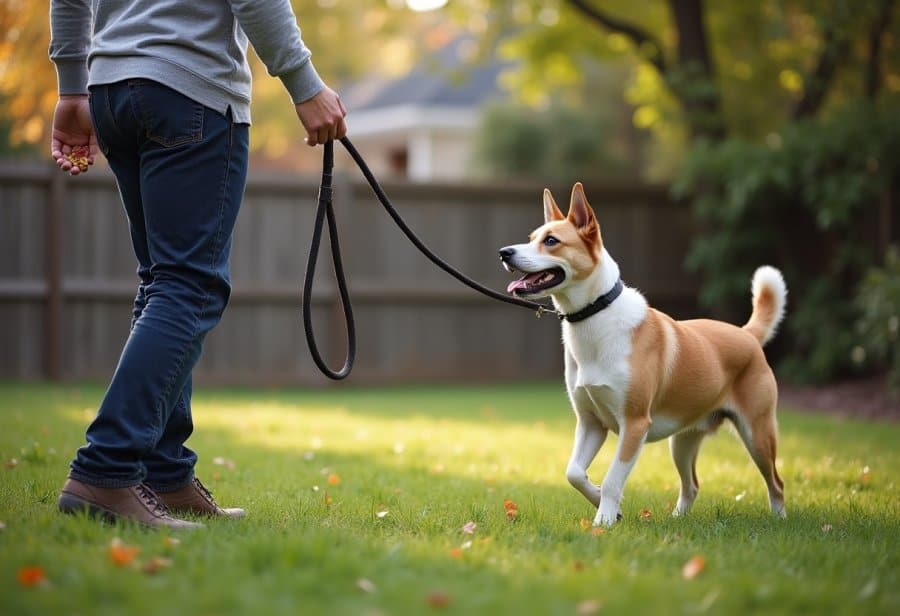
Putting your calm leash training into action starts best in familiar, low-stress environments like your backyard or a quiet neighborhood street. Use consistent commands such as “heel” or “walk,” and reward your dog immediately when they walk calmly beside you. Keeping the leash short but loose helps maintain gentle control and encourages your dog to focus on your cues rather than pulling or wandering. This initial step builds confidence and creates a solid foundation for more challenging situations.
Once your dog is comfortable in these calm settings, slowly introduce more distractions—busy parks, streets with traffic, or other dogs. Be patient if your dog gets overwhelmed or distracted. Pause, redirect their focus with a calm cue, and reward their attention when they return to you. Over time, this helps your dog carry that calmness into busier environments, making walks more enjoyable and less stressful for both of you.
Consistency remains key. Practice regularly in different environments, gradually extending walk durations and adding new stimuli. Always reinforce calm, attentive walking with treats or praise, so your dog understands that staying by your side is rewarding. Avoid harsh corrections or yanking on the leash, which can create resistance or fear and undermine your progress. Instead, stay patient and gentle, celebrating small victories along the way.
Support your training with helpful tools like a front-clip harness or gentle leader collar if needed. Carry treats or favorite toys to redirect your dog’s attention when distractions arise. These small adjustments can make a big difference, helping your dog stay centered and relaxed even in unfamiliar or busy settings. Remember, setbacks happen—use them as learning moments, returning to basics when necessary.
By practicing in varied environments and maintaining patience, you’ll see your dog develop better leash manners over time. As they learn to stay calm and focused, walks become peaceful bonding moments rather than battles of will. This steady, consistent approach transforms daily outings into opportunities for trust, communication, and mutual happiness.
Budgeting for Successful Dog Training
Training your dog to walk calmly at your side involves some financial considerations, but understanding the costs upfront can help you plan effectively. Basic equipment like a front-clip harness or gentle leader collar typically ranges from $15 to $50. These tools are designed to reduce pulling and make leash training smoother, which is essential for consistent progress. If you choose professional training, classes or private sessions can cost between $100 and $300, depending on the duration and focus, offering personalized guidance that accelerates your dog’s learning.
Beyond initial gear and lessons, there are ongoing expenses such as treats, toys, and training aids. Quality treats—small, soft, and highly motivating—cost around $10 to $20 per bag and last through numerous training sessions. Using treats consistently reinforces good leash manners and helps build trust during training. Additional tools like clickers or distraction training aids, which typically cost between $10 and $30, can enhance engagement but should complement your regular practice, not replace it.
Planning your budget carefully ensures you won’t be caught off guard. Focus on a few reliable tools and maintain a consistent routine, which yields better results than splurging on every gadget. Shopping during sales or buying in bulk can stretch your resources further, making training more affordable without sacrificing quality. Remember, success depends more on your patience and dedication than on expensive equipment.
If money is tight, explore free or low-cost resources such as online tutorials, local pet groups, or community workshops. Many veterinarians also offer behavioral tips that you can implement at home. Combining these resources with steady practice keeps your training on track without straining your finances.
The key is to make thoughtful investments in essential tools while staying consistent with your routine. With clear planning and persistence, you can achieve calm, joyful leash walks that strengthen your bond and make daily outings more enjoyable for both you and your dog.
Monitoring and Achieving Progress in Your Training Journey
Putting your calm leash training plan into action requires consistent effort and close attention to your dog’s responses. Begin in familiar, low-distraction environments like your backyard or a quiet neighborhood street. Use clear, simple commands such as “heel” or “walk,” and reward your dog immediately when they walk calmly beside you. Keeping the leash short and loose reinforces gentle control and encourages your dog to focus on your cues instead of pulling or wandering. This approach builds confidence and provides a strong foundation for more challenging settings.
Monitoring progress means observing your dog’s behavior during each walk. Are they staying attentive, walking beside you without pulling, and responding reliably to commands? Keeping a simple journal or using a smartphone app can help track these behaviors over time, highlighting what works and where setbacks occur. If your dog pulls or gets distracted frequently, consider shortening walk segments or choosing calmer environments until they improve. Consistency and patience are key to reinforcing good habits.
Gradually introduce more distractions—busy parks, traffic, or other dogs—while maintaining your routine. When your dog becomes overwhelmed or distracted, pause calmly, redirect their attention with a cue, and reward their focus when they return to you. Over time, this helps your dog carry their calm demeanor into more bustling environments, making walks more enjoyable for both of you. Celebrate small victories to keep motivation high and progress steady.
Remember to adapt your approach as needed. If setbacks happen, revisit basic commands and reinforce them in familiar, low-stress settings. Shorter, more frequent training sessions can prevent frustration and promote steady learning. With consistent effort, your dog will develop better leash manners, transforming walks from tense routines into peaceful bonding moments filled with trust and mutual understanding.
Preparing for Challenges and Handling Setbacks During Leash Training
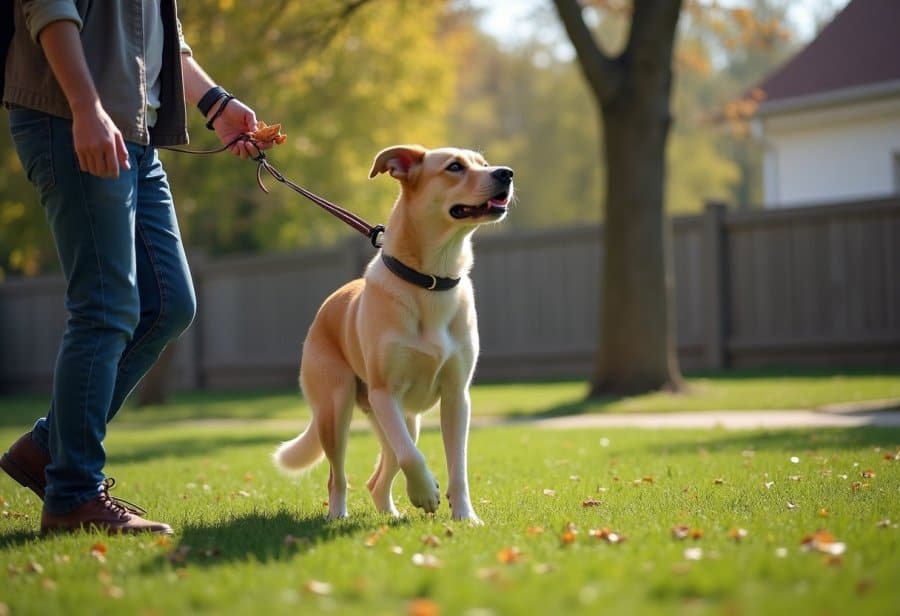
Preparing for potential issues during leash training means staying ready to handle unexpected reactions calmly and effectively. Dogs can become distracted, fearful, or even aggressive, especially in unfamiliar or chaotic environments. Recognizing early signs of stress or agitation allows you to step in before behaviors escalate, helping to preserve trust and prevent setbacks. For instance, if your dog shows signs of anxiety or aggression, taking a break or relocating to a quieter spot can make a big difference.
Distraction is one of the most common hurdles. Loud noises, passing cars, or other animals can cause your dog to pull, lunge, or freeze. Having treats or toys on hand to redirect their focus can turn a tense moment into a training opportunity. Using quick-release collars or harnesses provides a safe way to manage sudden reactions without risking injury. When your dog reacts unexpectedly, calmly removing them from the situation and giving them space to regroup helps prevent negative associations.
Fear or anxiety may trigger retreat or defensive behaviors. In these cases, a gentle, patient approach is key. Giving your dog time to settle and gradually reintroducing stimuli at a lower intensity builds confidence over time. Avoid forcing your dog into stressful situations; instead, use positive reinforcement to encourage calmness. This approach fosters resilience and builds trust, making future outings smoother.
If reactive behaviors like growling or snapping occur, it’s best to pause training and consult a professional trainer. They can help craft a tailored plan that addresses the root causes, whether fear, frustration, or overstimulation. Having such a contingency plan ensures you’re prepared for setbacks, turning challenges into opportunities for growth rather than obstacles.
Setbacks are part of the process, not failures. They teach you what triggers your dog’s reactions and how to adjust your approach. Maintaining patience and a calm attitude during difficult moments reinforces your dog’s confidence and deepens your bond. With consistent effort and a clear plan, you can navigate challenges effectively and keep your leash training on track for successful, peaceful walks.