In a world dominated by digital connection, can the simple act of gardening together unlock deeper, more authentic bonds? ‘Cultivate Calm’ explores how shared outdoor moments—digging, planting, nurturing—offer a powerful antidote to social isolation and digital fatigue. This heartfelt guide reveals how working side-by-side in nature fosters trust, patience, and emotional resilience, turning gardening into a form of outdoor therapy that nurtures both plants and relationships. From understanding the healing power of soil to celebrating small victories, it emphasizes that growth—whether of flowers or bonds—requires time, care, and shared effort. As community gardens and innovative tools make this accessible to all, the question remains: can tending life in the dirt help us rediscover genuine connection in a disconnected age? The answer may lie just beneath the surface, waiting to bloom in the bonds we cultivate together.
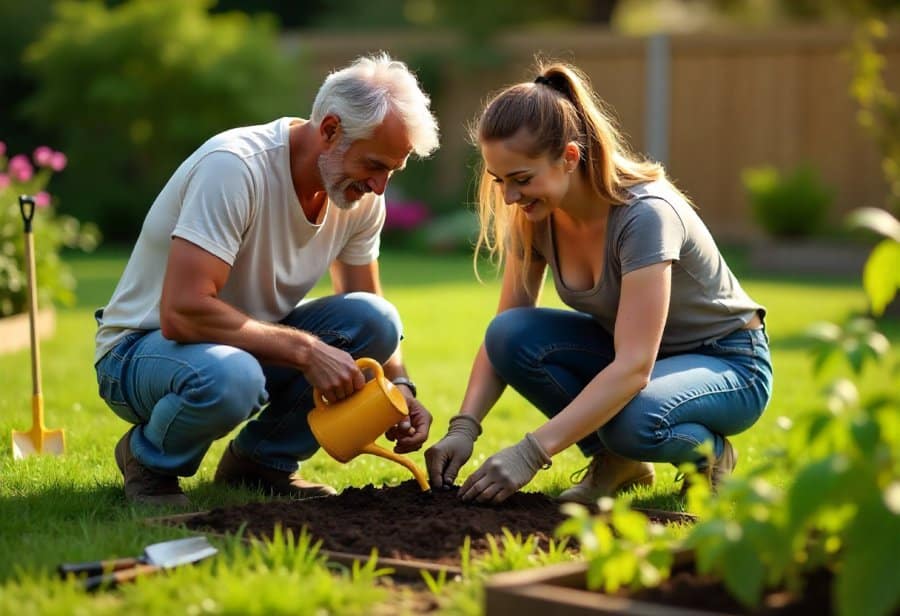
Reconnecting in a Digital Age: How Gardening Fosters Genuine Bonds
In our fast-paced, digital-driven world, it’s easy to assume that technology brings us closer. We’re connected constantly—scrolling through feeds, exchanging messages, and sharing moments online. Yet, beneath this surface of constant connectivity, many of us feel more isolated than ever, craving genuine human interactions that go beyond pixels and notifications. It’s in this context that the simple act of gardening together can serve as a powerful antidote, helping us reconnect in a way that screens never can.
Sharing a garden space invites face-to-face interaction rooted in a shared goal. As hands dig into soil, plant seeds, or tend to flourishing plants, conversations arise more naturally and authentically. These moments of collective effort foster a sense of teamwork, trust, and emotional openness that digital exchanges often lack. Working side by side outdoors slows down the pace, encouraging presence and mindfulness, creating space for meaningful connection in a relaxed setting.
Gardening isn’t just about cultivating plants—it’s about cultivating relationships. The tactile experience of working with soil and greenery helps us feel more grounded, reducing stress and promoting mental clarity. When done together, it becomes a form of outdoor therapy, strengthening bonds and nurturing emotional resilience. The patience required to see a seed sprout, or a flower bloom, mirrors the patience needed in relationships, reminding us that growth takes time and care.
This shared activity also opens doors for authentic communication. Whether discussing future planting plans or simply enjoying the moment, gardening fosters a safe, open environment for emotional exchange. It can help break down barriers and build deeper understanding, especially when words feel insufficient. Over time, these shared experiences forge trust and empathy, creating a foundation for lasting bonds that extend beyond the garden.
In a world where superficial interactions are often the norm, gardening offers a refreshing alternative. It demands presence and attentiveness, qualities that deepen emotional bonds naturally. Whether in a small balcony herb garden or a community plot, tending to life together reminds us that real connection requires time, effort, and shared care—values that are increasingly vital in our digital age.
Foundational Concepts of Gardening and Connection: Roots of Healing and Relationship Building
Gardening has a long-standing connection to mental health and emotional well-being, and recent studies continue to highlight its restorative power. Engaging with plants and soil encourages mindfulness—a state of focused awareness that helps quiet a busy mind. The rhythmic tasks of planting, watering, and pruning serve as calming routines, reducing stress and anxiety while fostering a sense of accomplishment. Being outdoors in nature naturally elevates mood and promotes relaxation, making gardening an accessible form of outdoor therapy for many.
When done collaboratively, gardening becomes a powerful tool for relationship building. Working side by side requires communication, cooperation, and mutual support, all of which strengthen trust and emotional bonds. Sharing the responsibility of caring for a garden encourages partners to listen, coordinate, and support each other’s efforts. Over time, watching a shared garden thrive becomes a symbol of growth not just in plants but in the relationship itself.
The roots of using gardening for healing stretch back thousands of years. Ancient civilizations like Egypt and Greece used community gardens to foster social bonds and promote wellness. During the Renaissance, herbal gardens were valued for their medicinal and nurturing qualities. Today, therapeutic horticulture draws on this rich history, showing that working with plants can decrease anxiety, lift spirits, and foster a sense of purpose—especially for those recovering from trauma or feeling isolated.
Mindfulness plays a key role in the healing process. Paying close attention to soil textures, plant fragrances, and the sounds of watering helps ground us in the present moment. This focus reduces mental clutter and builds emotional resilience. The act of nurturing living things requires patience and effort, which can elevate self-esteem and confidence. These small, repetitive actions—pruning, planting, watering—become calming routines that reinforce emotional strength and stability.
Research supports the idea that shared gardening experiences boost social connection and emotional well-being. Group activities outdoors foster a sense of belonging, reduce feelings of loneliness, and promote positive interactions. When people nurture plants together, they create non-verbal bonds rooted in care and effort. The physical act of working with soil and plants communicates support and trust more profoundly than words, reinforcing emotional closeness and mutual investment.
While gardening isn’t a cure-all, it offers a simple, effective way to nurture emotional growth. The patience, resilience, and shared effort involved in tending a garden mirror the qualities needed for healthy relationships. Working with nature helps us become more present, compassionate, and supportive—traits that strengthen bonds over time. This process reminds us that growth takes time and care, both in the garden and in our connections with others.
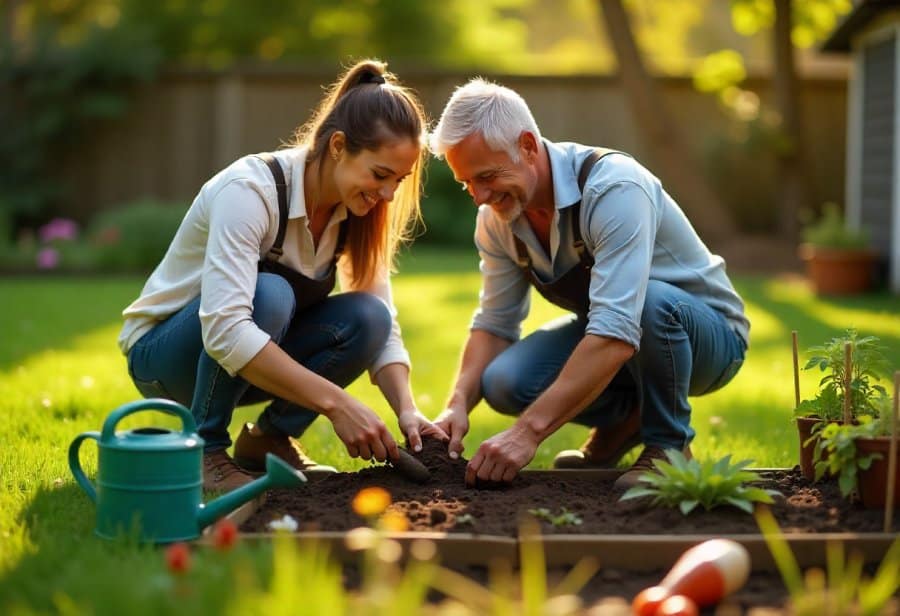
The Healing Power of Shared Gardening Experiences: Cultivating Trust and Emotional Bonds
Working together in a garden naturally builds emotional bonds through shared effort and cooperation. As people dig, plant, water, and nurture side by side, they develop a sense of teamwork that extends beyond individual tasks. This collaboration requires communication and mutual understanding, which deepen trust over time. When everyone works toward common goals—like planting a flower bed or harvesting vegetables—the experience becomes a collective achievement that reinforces positive feelings about each other. These small shared successes create a foundation of trust and warmth that can grow into stronger emotional connections.
Gardening also teaches patience and empathy. Watching a seed sprout or a flower bloom takes time, and setbacks such as pests or weather are inevitable. Facing these challenges together fosters resilience and a shared purpose. When one person tends to a struggling plant, others learn support and understanding, strengthening emotional bonds. These moments of caring for living things become opportunities to practice patience and compassion—qualities essential for trust and mutual growth.
Tending a garden side by side offers natural moments for conversation. Whether planning what to plant, deciding watering routines, or troubleshooting issues, dialogue flows more easily when working in a shared activity. This relaxed environment encourages emotional openness without the pressure of direct, one-on-one talks. As plants grow and flourish, so do the conversations and bonds between people. It becomes a space where feelings can be shared freely, fostering honesty and trust.
Research supports this dynamic, showing that group gardening boosts trust and emotional closeness. Working outdoors together encourages social support and reduces feelings of loneliness. The act of nurturing life creates a sense of belonging and shared purpose, which can be especially meaningful for those recovering from trauma or feeling disconnected. The garden transforms into a safe space for emotional expression, where mutual care helps build resilience and deepen relationships.
Shared gardening also acts as a non-verbal language of bonding. The physical labor—feeling soil, tending plants—conveys care without words. These silent acts foster trust and commitment more powerfully than spoken conversations alone. Seeing tangible results—healthy plants and blooming flowers—reminds everyone involved that growth requires time and effort. This understanding translates into emotional resilience and stronger bonds, as people recognize that nurturing life is a reflection of nurturing relationships.
Through these shared moments of tending and nurturing, gardening becomes more than just a hobby. It evolves into a powerful tool for mutual healing, trust, and understanding. The process of working with nature encourages patience, empathy, and cooperation—traits that help relationships flourish. In the quiet act of caring for a garden together, people find a profound connection rooted in shared effort and growth, proving that emotional bonds can blossom just as surely as the plants they nurture.
Practical Applications of Gardening for Connection and Healing: Turning Green Thumbs into Heartfelt Bonds
To turn gardening into a meaningful tool for emotional and relationship growth, start by establishing shared goals that everyone feels comfortable pursuing. Choosing simple projects, like planting herbs or flowers, can provide quick wins that boost confidence and create a sense of accomplishment. Developing a routine—whether weekly or biweekly—helps embed gardening into daily life, making it easier to maintain consistency and deepen the connection over time. When everyone knows what to expect, the activity becomes a reliable space for collaboration and mutual support.
Clear communication is essential. Use gardening as a safe environment to share feelings, expectations, or frustrations. Working side by side naturally encourages dialogue, helping break down barriers and foster understanding. Paying close attention to the textures of soil, the scents of blooms, or the sounds of watering can deepen the experience, making it more calming and meaningful for everyone involved. These sensory moments turn routine tasks into opportunities for mindfulness and emotional connection.
Celebrating small milestones together, like the first sprout or a vibrant flower bloom, reinforces a sense of shared success. These moments strengthen motivation and highlight the positive impact of working as a team. Recognizing progress, no matter how minor, keeps enthusiasm high and reminds everyone that growth is a gradual process rooted in patience and care. This shared sense of achievement helps build confidence and a feeling of collective accomplishment.
Starting a gardening project doesn’t need to be complicated or costly. Opt for easy-to-care-for plants suited to your environment, and gather basic tools like watering cans, gloves, and trowels. Establishing a flexible routine that fits into everyone’s schedule encourages ongoing participation without pressure. Making the activity accessible ensures everyone can contribute, fostering a sense of inclusion and shared purpose from the outset.
Leverage community resources to support your efforts. Local gardens, workshops, and online tutorials provide valuable tips, especially for beginners. Many organizations offer free or low-cost supplies and advice, making it easier to get started and stay motivated. Sharing this learning journey creates opportunities for connection and mutual encouragement, turning gardening into a collective experience of growth—not just for plants, but for relationships as well.
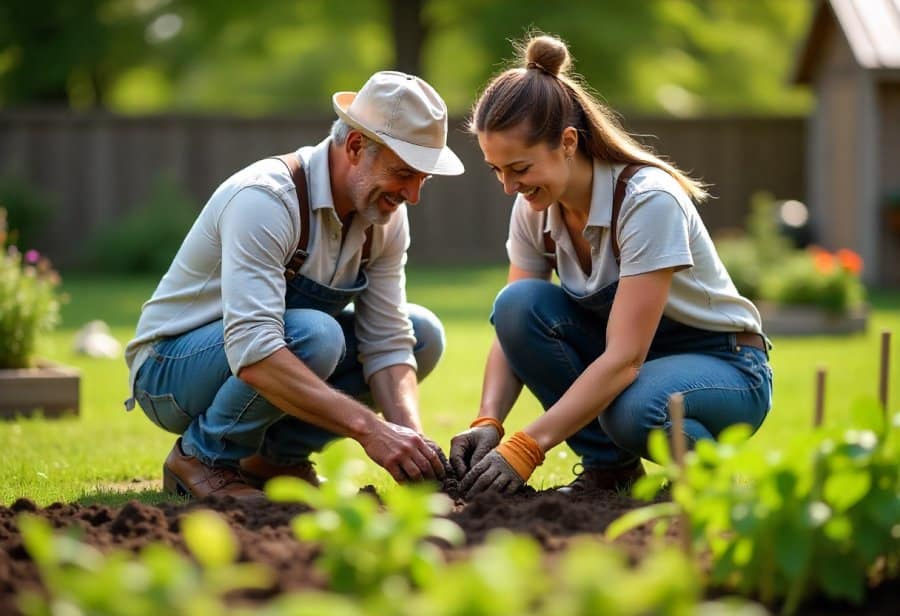
Conclusion and Future Outlook: Growing Together in a Changing World
As awareness of the mental health benefits of gardening continues to grow, the opportunities to weave this activity more deeply into our daily lives are expanding. Cities and communities are creating more accessible green spaces, turning vacant lots into vibrant community gardens that serve as hubs for connection and healing. Advances in technology—like gardening apps, online tutorials, and smart tools—are making it easier for anyone, regardless of space or experience, to engage with nature. These innovations lower barriers and invite more people to experience the healing power of shared gardening, fostering emotional resilience and social bonds across diverse groups.
Research increasingly confirms that tending to plants together doesn’t just improve individual well-being; it also enhances social cohesion. Organizations and local governments are beginning to incorporate garden-based programs into their mental health and community-building initiatives. Workplace wellness schemes, schools, and therapy centers are recognizing how shared gardening activities cultivate trust, empathy, and a sense of purpose. As these efforts spread, it’s clear that the act of nurturing life—whether vegetables, flowers, or herbs—can serve as a foundation for lasting relationships rooted in mutual care.
However, scaling these benefits isn’t without challenges. Limited space in urban environments, cultural differences around gardening, and resource constraints can hinder participation. Physical limitations or health issues may also prevent some from fully engaging, highlighting the importance of adaptive tools and inclusive design. Overcoming these obstacles requires ongoing innovation and community effort to ensure that everyone can access the emotional and relational benefits of gardening. Making participation easier and more inclusive broadens the reach and deepens the impact of these green initiatives.
Despite these hurdles, the core idea remains powerful: gardening is a universal language of patience, nurturing, and growth. Its timeless appeal lies in its ability to forge connections that transcend cultural and physical boundaries. By emphasizing its therapeutic qualities and fostering inclusive environments, future trends aim to deepen our collective relationship with nature—and with each other. As outdoor activities become more integrated into everyday life, the potential for gardening to nurture emotional resilience and strengthen bonds will only grow, offering hope in an increasingly disconnected world.
Planting small seeds of intention today can lead to meaningful change tomorrow. Whether tending a balcony herb garden or volunteering in a community plot, each act of nurturing plants becomes a step toward building trust, patience, and understanding. These shared experiences remind us that growth requires effort and time but also offers profound rewards. As we continue to prioritize accessible, community-driven gardening, we cultivate more than just healthy plants—we nurture resilient, compassionate relationships that flourish long after the last seed is sown.