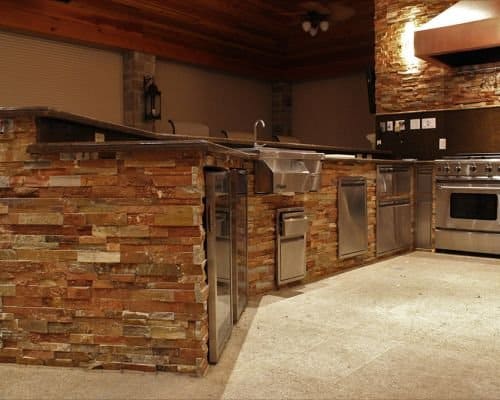
Modern appliances are transforming our homes in ways that go beyond mere appearance, quietly revolutionizing daily routines with smart, efficient technology. While they may seem like shiny upgrades, their true impact lies in enhancing convenience, sustainability, and comfort—are we truly aware of how integrated these devices have become? From smart refrigerators that track inventory to washing machines that optimize water use, these innovations seamlessly blend style and function while reducing environmental footprints. Yet, as homes become more connected and intelligent, questions about security and longevity arise. Future advancements promise even greater automation, eco-conscious materials, and appliances that learn and adapt to household habits. This ongoing evolution challenges us to rethink what a home can be, prompting us to ask: are the appliances we invest in truly making our lives easier— or are we just scratching the surface of a smarter, more sustainable living experience?
Experience Top-Brand Home Appliances in the Greater Toronto Area
Discover the best deals on home appliances with Canadian Appliance Source (CAS), your trusted local provider in the Greater Toronto Area. We proudly offer a wide selection of top brand name kitchen and home appliances, including Whirlpool, Bosch, KitchenAid, Samsung, LG, Electrolux, GE, Amana, Frigidaire, JennAir, Maytag, Thermador, and more—all at low prices. Our services feature instant chat support to assist you promptly and incentive programs from leading brands to maximize your savings. Whether you’re renovating or upgrading, our side by side appliance options ensure quality and affordability. Contact Rebecca at 1(877)374-3439 ext. 461 or email Rebecca.Chan@Canadian Appliance.ca to learn more or schedule a consultation today.

Transforming Homes with Smart Modern Appliances
Modern appliances are the quiet engines behind home comfort and daily efficiency. They handle routine chores like keeping food fresh, washing clothes, and preparing meals, freeing us to focus on what matters most. Though often overlooked, their influence on our routines is profound, quietly transforming the way we live. Today’s devices are designed not just to look good but to make homes smarter, more sustainable, and more convenient, seamlessly integrating into our daily lives.
What truly sets modern appliances apart is their ability to go beyond basic functions through sensors, automation, and connectivity. Smart refrigerators can track inventory, suggest shopping lists, and notify you when supplies run low—all from your phone. Similarly, washing machines now detect load size and adjust water and energy use accordingly, saving resources while delivering a thorough clean. These innovations help households cut costs and reduce environmental impact without sacrificing performance or comfort.
The convenience of modern appliances also lies in how effortlessly they fit into routines. Tasks that used to take hours—like laundry, cooking, or cleaning—are now faster and more reliable. This increased efficiency means less physical effort and more free time, a benefit that many busy households deeply appreciate. Even if their presence feels invisible, these appliances significantly elevate everyday life by making mundane chores less burdensome.
Energy efficiency remains a cornerstone of contemporary design. Newer models use less water and power through features like inverter motors, eco-friendly refrigerants, and smart sensors. These innovations optimize resource use while maintaining high performance, helping households lower utility bills and support sustainability efforts. As environmental awareness grows, manufacturers continue to develop greener appliances that make responsible living easier without compromising convenience.
Beyond functionality, design has evolved to match modern aesthetics. Sleek, minimalist looks with intuitive interfaces now blend seamlessly into contemporary interiors. Touchscreens and digital displays enhance usability, even for those less comfortable with technology. These appliances aren’t just practical—they’re stylish additions that enhance the overall look and feel of a home, making daily routines more enjoyable.
The rise of smart technology further transforms household management. Appliances connect to Wi-Fi and voice assistants like Alexa or Google Home, allowing control from anywhere. You can start laundry, preheat ovens, or check refrigerator contents remotely, adding flexibility to busy schedules. Many devices learn household patterns over time, automatically adjusting settings to maximize efficiency and comfort, turning everyday chores into effortless tasks.
As technology advances, the future of home appliances promises even greater integration and sustainability. AI-driven devices will learn habits and adapt their functions automatically, reducing manual input. Eco-friendly materials and energy management systems will push efficiency further, supporting a greener lifestyle. Appliances will become more durable, repairable, and connected, transforming homes into responsive, eco-conscious spaces that enhance comfort and simplify life.
Tracing the Evolution of Household Devices from Manual Tools to Intelligent Systems
The story of household appliances is one of steady innovation aimed at making daily life easier and more efficient. Long before the sleek gadgets we see today, early tools like manual washing boards, simple stoves, and hand-powered devices marked the beginning of this journey. These basic tools shifted chores from purely manual efforts to mechanical assistance, drastically reducing the effort and time needed to complete routine tasks.
The widespread adoption of electricity in the early 20th century revolutionized household life. Electric irons, toasters, and vacuum cleaners replaced manual labor with powered convenience, transforming homes into more modern spaces. This era marked a turning point, making household chores faster and less physically demanding, and setting the stage for further technological leaps.
As technology advanced, appliances became smarter and more complex. The introduction of automation and microprocessors in the mid-20th century introduced programmable features, giving users control over their routines. Washing machines with timers and cycle options, for example, allowed for more efficient laundry days. The advent of electric refrigerators further changed how households stored food, reducing spoilage and improving hygiene standards.
Today, the digital revolution has brought connected appliances into homes. Smart refrigerators can now monitor inventory, suggest shopping lists, and send alerts—all managed via smartphone apps. Smart washing machines optimize water and energy use based on load size, making routines more resource-efficient. These innovations have integrated household devices into broader smart home ecosystems, making everyday tasks more seamless and responsive.
From manual tools to intelligent, eco-friendly devices, the evolution of household appliances reflects a continuous drive to improve our daily lives. Each milestone has pushed the boundaries of convenience, efficiency, and sustainability, transforming chores from burdens into manageable, even enjoyable, routines. This ongoing progress underscores how innovation has turned simple tools into essential elements of modern living, shaping the way we live today and into the future.

Current Trends Shaping the Future of Household Appliances
The landscape of household appliances today is shaped by rapid technological progress that aims to make homes smarter, more efficient, and environmentally friendly. Smart appliances now dominate the market, offering the convenience of remote control and monitoring through smartphones or voice assistants. This connectivity turns routine chores into effortless tasks, fitting seamlessly into busy lifestyles. For example, smart refrigerators can track food inventories, suggest shopping lists, and alert you when supplies run low—all managed via an app. Similarly, washing machines equipped with sensors optimize water and energy use based on load size, ensuring thorough cleaning while conserving resources.
Energy efficiency remains a key focus in modern appliance design. Innovations such as inverter motors, eco-friendly refrigerants, and smart sensors help devices operate with less power and water. These features not only reduce utility bills but also support sustainability efforts. Refrigerators now adjust their cooling cycles depending on usage, and washers tailor their cycles to the load, helping households lower their carbon footprint without sacrificing performance. This emphasis on energy conservation aligns with growing environmental awareness and responsible living.
Design aesthetics have evolved as well, reflecting contemporary tastes with sleek, minimalist looks and intuitive interfaces. Touchscreens, digital displays, and user-friendly controls improve usability, even for those less familiar with technology. Appliances now serve as stylish elements that elevate the overall look of a home, blending functionality with visual appeal. This integration of form and function makes daily routines more enjoyable and less intrusive, creating a cohesive living space.
The rise of smart tech has further transformed household management by enabling devices to connect to Wi-Fi and voice assistants like Alexa or Google Home. Homeowners can start laundry, preheat ovens, or check refrigerator contents remotely, adding convenience and flexibility. Many appliances learn household patterns over time, automatically adjusting their functions to optimize efficiency, making everyday chores more seamless and less burdensome.
Sustainability considerations heavily influence current appliance development. Manufacturers incorporate eco-friendly materials, recycled plastics, and low-impact refrigerants to minimize environmental harm. Energy-saving modes and smart sensors help households reduce water and electricity use without compromising performance. These innovations support individual sustainability goals and contribute to broader efforts against climate change. As consumer awareness grows, appliances are becoming increasingly greener and smarter.
Looking ahead, future appliances are expected to feature even greater integration and automation. AI-driven devices will learn habits and adapt their functions automatically, further reducing manual input. Advances in energy management, biodegradable materials, and modular repair systems will extend appliance lifespan and reduce waste. Homes will evolve into interconnected ecosystems, where appliances work together seamlessly to enhance comfort, efficiency, and sustainability.
This ongoing evolution of household appliances reflects a shift toward environments that are more responsive, eco-conscious, and tailored to our daily needs. With continuous innovation, homes will become smarter, healthier, and more aligned with sustainable living—transforming everyday routines into effortless, enjoyable experiences.
As part of this ongoing innovation, selecting the right appliances is crucial to maximizing efficiency and convenience in the home. When considering a new dishwasher, it’s worth exploring options that combine advanced features with reliability. To find the most suitable choice for your needs, check out the guide on the best dishwasher to make an informed decision.
How Modern Appliances Enhance Daily Living and Household Efficiency
Modern appliances have a tangible impact on daily household life, making routines smoother and more efficient. Smart refrigerators do more than keep food cold; they track inventory, suggest shopping lists, and send alerts when supplies run low. This reduces last-minute grocery runs and minimizes food waste, helping families save time and money. Similarly, sensors in washing machines detect load size and automatically adjust water and energy use, ensuring clothes are thoroughly cleaned while conserving resources. These features streamline chores, freeing up mental bandwidth and daily energy for more meaningful activities.
Beyond time savings, modern appliances contribute to long-term cost reductions. Their intelligent operation minimizes utility bills through optimized water and power consumption. For example, smart dishwashers can detect how many dishes are loaded and adjust cycles accordingly, preventing unnecessary water and energy use. Over months and years, these efficiencies translate into significant savings, making high-quality appliances a smart investment for any household looking to cut costs without sacrificing performance.
Safety and reliability are enhanced through advanced technology. Many appliances now include leak detectors, automatic shut-offs, and maintenance alerts that prevent accidents and costly repairs. Proper installation and routine upkeep ensure these devices perform at their best, extending their lifespan and reducing disruptions. When appliances are dependable, households experience fewer breakdowns, less stress, and a smoother flow to everyday life—especially during busy or demanding periods.
Connecting appliances to smartphones and voice assistants further elevates convenience. With a tap or voice command, homeowners can start laundry, preheat ovens, or check refrigerator contents remotely. Many devices learn household routines over time, adjusting their settings automatically for maximum efficiency and comfort. This automation turns everyday chores into seamless, effortless tasks, freeing valuable time and reducing the mental load of household management.
Sustainability considerations are central to modern appliance design. Eco-friendly features such as low-impact refrigerants, energy-saving modes, and smart sensors help households lower water and electricity use without sacrificing performance. These innovations support responsible living, aligning with environmental goals while still delivering reliable, high-quality results. As consumer awareness of climate issues grows, appliances continue to evolve into greener, smarter solutions that make sustainable living easier.
Investing in these advancements means more than just upgrading equipment; it’s about transforming home life. Reliable, efficient appliances reduce household disruptions, cut costs, and promote eco-conscious habits—all while making daily routines more enjoyable. They elevate the experience of everyday chores, turning them from mundane tasks into parts of a smarter, more sustainable lifestyle. In this way, modern appliances are reshaping how we live, work, and relax at home.

The Future of Home Appliances: Innovation, Sustainability, and Intelligent Living
The future of home appliances is poised for a remarkable transformation driven by smarter technology and a stronger focus on sustainability. As AI and machine learning continue to evolve, appliances will become more intuitive, adapting seamlessly to household routines without requiring manual input. This shift will create homes that are more responsive, with devices learning habits and adjusting their functions automatically, making daily chores easier and more efficient than ever before. The result will be a living environment that feels almost alive—anticipating needs and simplifying routines in ways we’ve only begun to imagine.
Sustainability will remain at the heart of innovation. Expect to see appliances crafted from eco-friendly materials, incorporating biodegradable components and advanced energy management systems that push efficiency to new heights. Solar integration, energy harvesting, and low-impact refrigerants will become standard features, helping households reduce their carbon footprint while enjoying top-tier performance. These advancements will not only support individual environmental goals but also contribute meaningfully to global efforts against climate change, making eco-conscious living more accessible and effortless.
Design for durability and ease of repair will also gain importance. Modular appliances with replaceable parts will extend lifespan and reduce waste, aligning with a growing shift toward a circular economy. Appliances will be built to withstand wear and tear, with user-friendly repair options that encourage longer use and less disposal. This approach promotes sustainability at a systemic level while offering consumers a smarter, more responsible investment in their homes.
As connectivity deepens, cybersecurity and privacy will become central concerns. Manufacturers will need to implement robust security measures to protect household data, ensuring that the convenience of smart appliances does not come at the expense of personal security. Striking this balance will be crucial for maintaining user trust and fostering widespread adoption of connected devices. Homes will evolve into integrated ecosystems where appliances communicate seamlessly, coordinating to optimize comfort, energy use, and safety—creating spaces that are not only smarter but also more secure.
Looking ahead, the potential for innovation in home appliances is vast. Homes will function more like intelligent environments, with appliances working together effortlessly to enhance quality of life. From adaptive lighting and heating systems to appliances that anticipate our needs, the next generation of home technology promises to turn routine living into a highly personalized, energy-efficient experience. Embracing these trends will transform our houses into truly sustainable, responsive spaces that elevate everyday living to new levels of convenience and comfort.