Nylon, a ubiquitous yet often overlooked material, underpins many aspects of modern life with its strength and durability—traits that have made it indispensable. But beneath its utility lies a complex, environmentally costly process rooted in fossil fuels, involving resource extraction, energy-intensive chemical reactions, and hazardous waste. This lifecycle results in long-lasting landfills, microfiber pollution in oceans, and greenhouse gas emissions that accelerate climate change. As nylon persists for centuries and microfibers infiltrate ecosystems and food chains, the true cost of our reliance becomes starkly evident. Yet, innovative solutions emerge: bio-based nylons, recycling technologies, and biodegradable fibers promise a more sustainable future. Will these advancements be enough to reconcile nylon’s convenience with environmental responsibility? Exploring its origins and impacts challenges us to rethink material choices and prioritize responsible manufacturing, emphasizing that understanding nylon’s hidden toll is essential for safeguarding our planet.
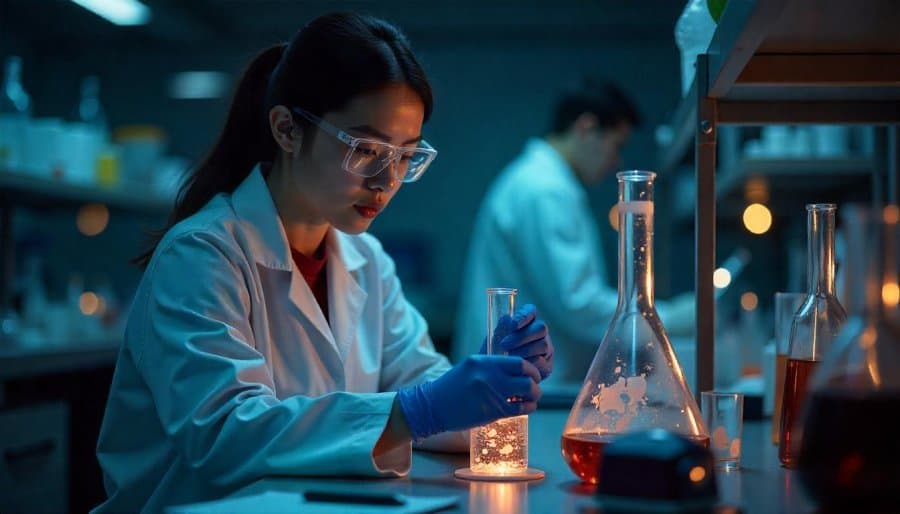
Unveiling Nylon: The Ubiquitous Material with an Environmental Cost
Nylon is one of those materials we rarely stop to think about, even though it’s everywhere around us. From the clothes we wear and the carpets under our feet to the sports gear we rely on daily, nylon’s strength and flexibility have made it a go-to choice across countless industries. Its durability means products last longer and perform better, which is why nylon has become such a staple in modern life. But behind its usefulness lies a hidden story—one that involves significant environmental costs we often overlook.
The widespread use of nylon is closely tied to how it’s made. Its production depends heavily on fossil fuels like oil and natural gas. Extracting these resources involves extensive drilling, which can disturb delicate ecosystems and consume vast amounts of energy. Once extracted, the raw hydrocarbons are transformed through energy-intensive chemical processes into the building blocks of nylon, such as hexamethylenediamine and adipic acid. These reactions not only require a lot of energy but also release pollutants into the environment, making the entire supply chain deeply linked to non-renewable resources.
As nylon products enter the market, their environmental footprint doesn’t stop growing. Because nylon is so durable, it can linger in landfills for hundreds of years without decomposing. During that time, it can leach chemicals into soil and water, creating long-lasting pollution problems. Additionally, everyday use causes tiny fibers—microfibers—to shed from nylon textiles. These microfibers are small enough to bypass water treatment plants and end up in oceans and lakes, where marine life mistake them for food. This microplastic pollution not only harms ecosystems but also poses potential risks to human health as these particles make their way up the food chain.
The production process itself adds to the environmental burden. Manufacturing nylon involves high-temperature reactions and catalysts that consume even more energy and release greenhouse gases like nitrous oxide, a potent contributor to climate change. The chemicals used in creating nylon, along with waste by-products, can also be hazardous, impacting local air and water quality. This cycle of extraction, production, and disposal reveals how nylon’s very qualities—its strength and longevity—become major obstacles in achieving environmental sustainability.
Despite these challenges, efforts are underway to develop greener alternatives. Bio-based nylons made from renewable plant materials show promise, potentially reducing dependence on fossil fuels and lowering carbon emissions. Recycling methods, whether mechanical or chemical, are also advancing, aiming to reuse existing nylon and cut down on waste and microplastic pollution. These innovations highlight the growing recognition that sustainable solutions are essential if we want to keep this versatile material within planetary limits.
Understanding nylon’s environmental impact underscores a broader truth: our reliance on synthetic materials often comes with hidden costs. While nylon’s durability and affordability serve us well, they come at a significant environmental price. Recognizing these costs is the first step toward making more informed choices—whether through supporting innovation, advocating for stricter regulations, or simply being more conscious consumers. Only by examining the full story behind nylon can we begin to balance our needs with the health of the planet we all share.
From Earth to Fiber: The Petrochemical Roots of Nylon
Nylon production begins deep within the Earth, relying heavily on finite fossil fuels such as oil and natural gas. Extracting these resources involves extensive drilling operations that can disturb ecosystems and consume vast amounts of energy. Once tapped, the raw hydrocarbons are refined into simpler chemical molecules through complex industrial processes. This refining not only requires significant energy input but also releases pollutants into the environment, adding to the ecological footprint of nylon.
The core ingredients for nylon, such as hexamethylenediamine and adipic acid, are produced through chemical reactions known as polymerizations and condensations. These reactions link small molecules, called monomers, into long chains that form the fibers we recognize as nylon. The synthesis of these monomers depends on petrochemicals derived from fossil fuels, tying nylon’s origins directly to non-renewable resources. The entire process is energy-intensive and relies on catalysts that facilitate chemical transformations at high temperatures.
Producing nylon’s building blocks involves high-temperature reactions that generate waste by-products and emissions. During these reactions, greenhouse gases like nitrous oxide are released, which are especially potent in trapping heat and contributing to climate change. The chemical processes also emit volatile organic compounds and hazardous chemicals, which can harm local air quality and ecosystems. This chain of chemical manufacturing embeds environmental costs at every step, from resource extraction to fiber synthesis.
The transformation from raw hydrocarbons to nylon fibers is a highly energy-dependent process. It involves multiple stages—refining, polymerization, and fiber spinning—each consuming substantial energy and producing waste. These activities are often carried out in large-scale industrial facilities that contribute to local pollution and greenhouse gas emissions. The reliance on fossil fuels not only depletes non-renewable resources but also perpetuates a cycle of environmental degradation.
Advances in sustainable chemistry are beginning to offer alternatives. Bio-based nylons made from renewable plant sugars are emerging, promising a reduction in fossil fuel dependence. These environmentally friendlier options aim to replicate nylon’s durability and elasticity without the heavy environmental toll. Similarly, chemical recycling methods are being developed to break down nylon waste into its original monomers, enabling reuse and reducing reliance on virgin resources.
Despite these innovations, widespread adoption remains a challenge. Scaling bio-based production and recycling technologies requires significant investment and supportive policies. Still, these efforts highlight a crucial shift toward greener manufacturing. Reducing nylon’s fossil fuel dependency and minimizing chemical waste could significantly lower its environmental impact, making the material more sustainable in the long run.
Understanding the chemical and industrial roots of nylon reveals the complex, resource-intensive foundation of this synthetic fiber. Its origins are deeply intertwined with the depletion of finite resources and the release of pollutants. Recognizing these processes underscores the importance of investing in cleaner alternatives and sustainable practices—steps essential for reducing nylon’s environmental footprint and moving toward a more responsible use of materials.
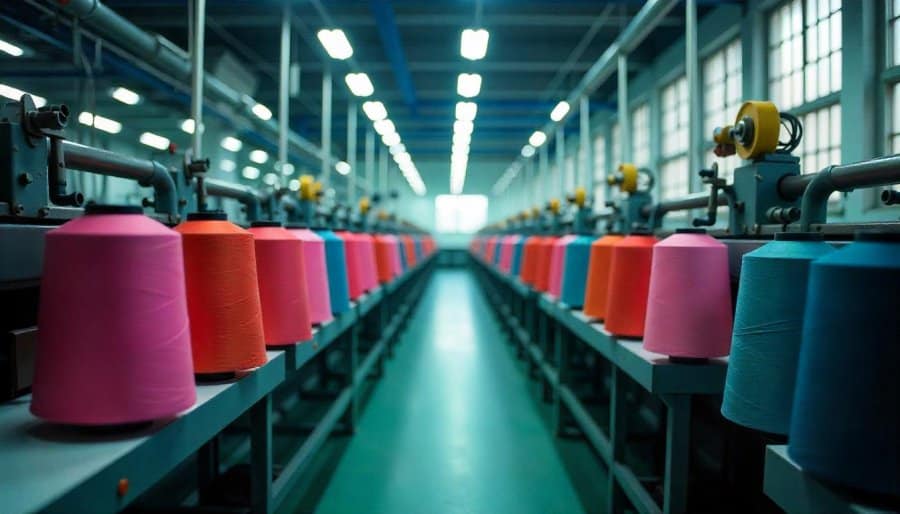
The Long Shadow of Nylon: Environmental Impact from Production to Disposal
The environmental footprint of nylon extends far beyond its initial production, impacting the planet throughout its entire lifecycle. Once manufactured, nylon products—such as clothing, carpets, and industrial components—resist natural decomposition, often lingering in landfills for hundreds of years. Their persistence means they gradually leach chemicals into soil and water, contributing to long-term pollution that can harm ecosystems and human health alike.
During everyday use, nylon’s durability presents another challenge: microfibers. These tiny fibers shed from textiles during washing or wear, escaping wastewater treatment and entering aquatic environments. Once in oceans and lakes, marine life ingests these microplastics, which can cause physical harm and introduce toxic substances into the food chain. Over time, this invisible pollution accumulates, impacting biodiversity and potentially affecting human health through seafood consumption.
The manufacturing process itself is highly energy-intensive and relies heavily on fossil fuels. Extracting and refining oil and natural gas for chemical synthesis involves disruptive drilling and processing activities that emit greenhouse gases, fueling climate change. The chemical reactions used to produce nylon’s building blocks release pollutants, including volatile organic compounds and hazardous chemicals, further polluting local air and water sources.
Nylon’s resistance to degradation transforms it into a long-term environmental burden. Items discarded in landfills may take centuries to break down, during which they release chemicals into the environment. This slow decomposition not only contributes to mounting plastic waste but also perpetuates chemical leaching that can contaminate soil and groundwater, impairing ecosystems and possibly entering drinking water supplies.
Microplastic pollution from nylon textiles has become a pervasive issue. Tiny fibers shed during washing can travel thousands of miles, infiltrating remote ecosystems and affecting wildlife that mistake them for food. Once ingested, these fibers can cause internal injuries and introduce toxins into animals and humans alike, creating a cycle of pollution that is difficult to halt.
Addressing nylon’s environmental impact requires a comprehensive approach. Recycling programs—mechanical and chemical—are critical to reducing waste and dependence on virgin resources. Developing biodegradable and bio-based nylons offers alternative pathways that can lessen long-term environmental harm. Recognizing these consequences emphasizes the urgency of adopting sustainable practices to minimize nylon’s footprint and protect the planet for future generations.
Innovating for a Greener Future: Sustainable Alternatives in Nylon Manufacturing
As awareness of nylon’s environmental impact grows, the industry is exploring innovative, more sustainable alternatives. One promising development is bio-based nylon, crafted from renewable resources like plant sugars and biomass. These materials aim to replicate nylon’s durability and elasticity while drastically reducing reliance on fossil fuels and lowering carbon emissions. By shifting to bio-derived feedstocks, manufacturers can cut the environmental costs associated with traditional nylon production, making the fibers more eco-friendly without sacrificing performance.
Recycling plays a vital role in creating a greener future for synthetic fibers. Mechanical recycling involves grinding used nylon textiles into small pieces, melting them down, and spinning new fibers. Chemical recycling takes this a step further by breaking down nylon polymers into their original monomers, which are then purified and re-polymerized. These processes enable the reuse of existing nylon waste, significantly reducing landfill accumulation and microplastic pollution. Although still evolving, advances in recycling technology are making these methods more efficient, accessible, and capable of producing high-quality fibers.
Biodegradable synthetic fibers are also emerging as a solution to nylon’s long-lasting environmental footprint. Designed to decompose faster in natural environments, these materials aim to mitigate the issue of persistent microplastics. While most are still in experimental stages, some companies are developing fibers that can break down within a few years, promising a future where synthetic textiles are less harmful once discarded. This shift toward biodegradable options could redefine the lifecycle of nylon-based products, aligning durability with environmental responsibility.
Innovation is also happening through the repurposing of waste. Recycled nylon sourced from discarded fishing nets, old carpets, and worn-out garments is increasingly being transformed into new fibers. Such initiatives not only divert waste from landfills but also reduce the demand for virgin materials. These circular approaches demonstrate how industry can transition toward more sustainable practices, where waste becomes a resource and environmental impact is minimized.
While these advancements are promising, widespread adoption requires overcoming significant challenges. Scaling bio-based nylons and biodegradable fibers demands substantial investment, research, and supportive policies. Developing efficient recycling infrastructure and ensuring the quality of recycled materials are ongoing hurdles. Nonetheless, these innovations mark a crucial step toward a future where synthetic fibers can meet our needs without compromising planetary health, emphasizing the importance of continued innovation and responsible manufacturing in the quest for sustainability.
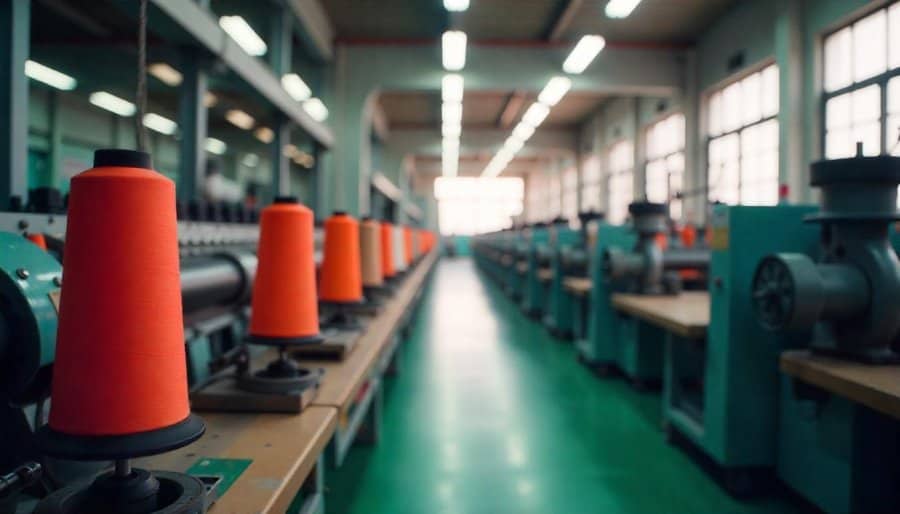
Nylon in the Modern World: Challenges and the Path Toward Sustainability
Nylon remains one of the most widely used synthetic fibers globally, powering industries from fashion and outdoor gear to industrial applications. Its popularity stems from its strength, elasticity, and affordability, which keep demand high. However, as production ramps up to meet global needs, the environmental challenges it brings become more pronounced. The scale of manufacturing not only intensifies resource depletion but also amplifies pollution issues, especially concerning microplastic release and greenhouse gas emissions.
One of the most urgent problems is microplastic pollution. Tiny fibers, known as microfibers, shed from nylon textiles during washing or wear, and these fibers easily bypass water treatment systems. Once in oceans, lakes, and rivers, they are ingested by marine life, causing physical harm and disrupting ecosystems. Over time, microplastics accumulate in the food chain, eventually reaching humans through seafood, raising health concerns that are still under investigation. This invisible form of pollution underscores nylon’s long-term environmental footprint.
The raw materials for nylon—oil and natural gas—are extracted through extensive drilling, which disturbs habitats and consumes large amounts of energy. The chemical processes used to produce nylon’s building blocks, such as hexamethylenediamine and adipic acid, are energy-intensive and release pollutants, including greenhouse gases like nitrous oxide. These emissions not only contribute to climate change but also add to local air and water pollution. This dependence on finite fossil fuels creates a fragile supply chain vulnerable to geopolitical shifts and resource scarcity.
Disposal presents another significant challenge. Because nylon products resist decomposition, they persist in landfills for centuries, gradually leaching chemicals into soil and groundwater. This long-lasting presence turns discarded nylon into a slow-release source of pollution, impacting ecosystems and human health alike. The durability that makes nylon so practical for consumers also makes it a stubborn environmental problem once the products reach the end of their lifecycle.
Addressing these issues requires a combination of technological innovation and systemic change. Recycling—both mechanical and chemical—offers promising pathways to reduce waste and dependency on virgin resources. Developing bio-based nylons and biodegradable fibers could significantly lower nylon’s ecological footprint. However, scaling these solutions demands investment, research, and supportive policies. Moving toward a more sustainable future for nylon hinges on recognizing its current challenges and committing to responsible, innovative practices.