Uncover the astonishing strategies and relentless ambition that propelled Alexander the Great from a young prince to one of history’s most legendary conquerors, transforming ancient civilizations and redefining what it means to build an empire. His story is a captivating blend of tactical brilliance, cultural synthesis, and daring leadership that continues to influence military and political thought today. How did this modest Macedonian inherit a kingdom and forge an empire spanning continents? His innovative tactics, inspired by a solid foundation of military reform and philosophical education, allowed him to adapt seamlessly to diverse terrains and opponents. Yet, beyond battlefield prowess, Alexander’s true genius lay in his ability to inspire loyalty through personal charisma and a vision of cultural integration. His legacy is not just one of conquest but of long-lasting cultural exchange, fostering civilizations that blended Greek, Egyptian, Persian, and Central Asian traditions. Could his approach redefine modern leadership and empire-building?
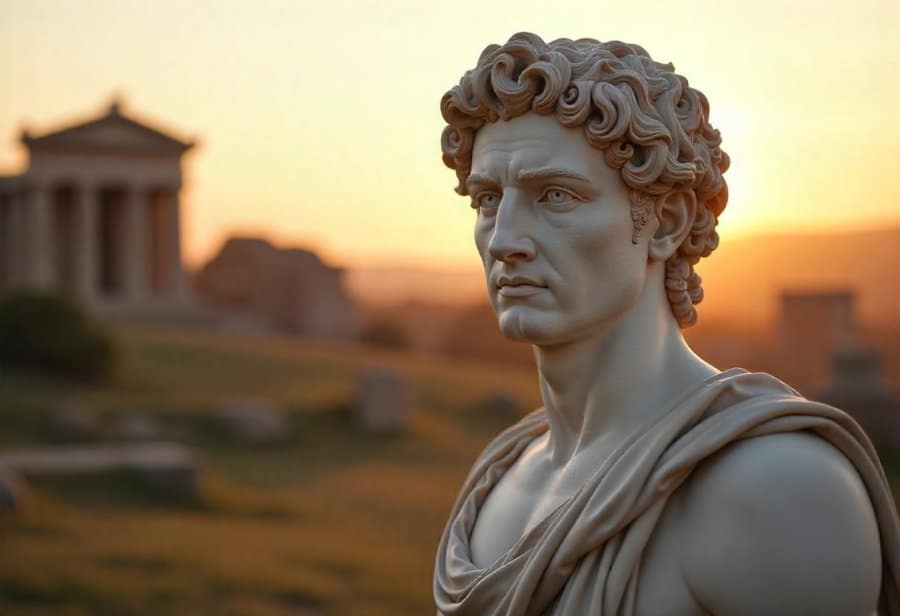
Unveiling Alexander the Great: A Legend of Ambition and Strategy
Alexander the Great stands as one of history’s most enduring and enigmatic figures, not merely for the vast territories he conquered but for the profound cultural and political transformations his campaigns ignited. His story embodies relentless ambition paired with strategic brilliance, a combination that continues to captivate scholars and history enthusiasts alike. Born in 356 BCE in the Macedonian capital of Pella, Alexander inherited a modest kingdom poised on the fringes of Greek influence. Yet, from a young age, he exhibited qualities that hinted at a destiny far beyond Macedonia—an insatiable drive for expansion, a sharp intellect, and a commanding presence that would define his leadership style.
His ascent to legendary status was forged through a confluence of personal ambition, innovative military strategies, and a turbulent geopolitical landscape. Under his father, Philip II, Macedonia had undergone a remarkable transformation, emerging as a formidable military power through sweeping reforms in training, organization, and alliances. These reforms laid a robust foundation for Alexander’s future conquests. His education under Aristotle further distinguished him, blending philosophical inquiry with a keen interest in military tactics and cultural exchange. This combination of practical knowledge and intellectual curiosity set him apart from many of his contemporaries, positioning him not just as a conqueror but as a thinker who recognized the importance of cultural synthesis in empire-building.
The geopolitical environment of the late fourth century BCE presented both immense opportunity and daunting peril. The Persian Empire, long considered invincible, was visibly weakening—its internal struggles, overextension, and declining central authority exposing its vulnerabilities. For Macedonia and Alexander, this was a rare window to challenge a seemingly unstoppable adversary. The decision to confront Persia was driven by a mixture of national pride, strategic calculation, and the desire to forge a lasting legacy. Unifying Greece under a common cause further strengthened his position, enabling him to project power eastward with a united front. His campaigns across Asia Minor, Egypt, and Persia were fueled by a combination of personal ambition and a broader vision of remaking the balance of power in the ancient world.
The military foundations of Alexander’s conquests were rooted in inherited reforms and his own tactical innovations. Philip II’s reforms had created disciplined, well-organized armies capable of rapid deployment, but Alexander’s own experiences—facing diverse terrains and formidable enemies—taught him the importance of adaptability and swift decision-making. His education emphasized knowledge of terrain, logistics, and psychological warfare, which he seamlessly integrated into his campaigns. From the narrow mountain passes of Tyre to the vast plains of Gaugamela, Alexander demonstrated an extraordinary ability to read the battlefield environment, exploiting weaknesses through surprise, speed, and psychological intimidation. This logistical mastery, combined with battlefield ingenuity, enabled him to sustain campaigns across vast and often hostile territories, turning strategic mobility into a decisive advantage.
Behind every strategic move lay an unshakable personal drive. Alexander’s relentless ambition was rooted in a conviction that he was destined for greatness—an idea reinforced by his divine aspirations and early successes. His leadership style was marked by personal charisma, exemplified by leading from the front and sharing the hardships of his soldiers. This approach fostered loyalty and unity, transforming his army into a cohesive force driven by shared purpose rather than fear or coercion. His willingness to take risks—often risking his own life—set him apart from other leaders, allowing him to seize opportunities others dismissed and to push the boundaries of what was considered possible. Every campaign, every daring maneuver, was a step toward fulfilling his grand vision—not merely of empire, but of a cultural synthesis that could unite disparate peoples under a shared banner of ambition and mutual respect.
Laying the Groundwork: Foundations of Alexander’s Conquests
The foundations of Alexander’s conquest were meticulously constructed within a landscape marked by both opportunity and challenge, shaped by a confluence of personal ambition, shifting geopolitical realities, and cultural influences that crossed borders and traditions. Growing up in Macedonia, Alexander inherited a kingdom that, although modest in size, was rapidly gaining strength under his father, Philip II. Philip’s military reforms had transformed Macedonia into a disciplined and formidable power, emphasizing innovative training techniques, reorganized armies, and strategic alliances that created a robust military base. These reforms did not merely produce a capable fighting force; they laid the groundwork for the rapid, adaptable campaigns that Alexander would later execute on a much larger scale.
Alexander’s early education played a pivotal role in shaping his broader worldview. Under Aristotle’s tutelage, he absorbed a curriculum that went beyond philosophy, encompassing ethics, science, and a curiosity about the wider world. This education fostered a strategic mindset rooted in knowledge and understanding, emphasizing that conquest was as much about cultural engagement as it was about military strength. Aristotle’s lessons encouraged Alexander to see himself not just as a conqueror, but as a facilitator of cultural exchange—an outlook that would influence his approach to empire-building and governance. This fusion of practical military insight with philosophical inquiry gave him a unique edge, allowing him to craft strategies that balanced force with diplomacy and understanding.
The geopolitical environment of the late fourth century BCE was ripe with turmoil and opportunity. The Persian Empire, long regarded as an unstoppable force, was visibly weakening—its internal struggles, overextended frontiers, and declining central authority exposing vulnerabilities that Alexander was eager to exploit. For Macedonia, this represented a rare chance to challenge an empire that seemed invincible. At the same time, unifying Greece under a common cause was both a strategic necessity and a means to project power eastward. The Greek city-states, often fractured by rivalry, were brought together by Macedonia’s rising influence, creating a unified front that could face the Persian threat. Alexander’s decision to turn east was driven by a complex mixture of national pride, strategic foresight, and the ambition to leave a lasting imprint on history.
Behind these strategic moves lay a foundation rooted in inherited military discipline and Alexander’s own innovations. Philip II’s reforms had created a disciplined, well-organized army capable of rapid deployment across diverse terrains. Yet, Alexander’s personal experiences in the field—facing a variety of enemies and environments—taught him that adaptability and swift decision-making could turn the tide in his favor. His education emphasized terrain awareness, logistics, and psychological warfare, which he integrated seamlessly into his campaigns. Whether navigating the narrow mountain passes of Tyre or the open plains of Gaugamela, Alexander demonstrated an extraordinary ability to read the battlefield environment, turning natural features into tactical advantages through surprise, speed, and intimidation. His logistical mastery—ensuring supplies and reinforcements moved swiftly—was as crucial as his battlefield tactics; it allowed him to sustain long campaigns over vast and often hostile territories.
The unyielding personal drive that fueled Alexander’s ambitions was evident in every move he made. He believed himself destined for greatness—a conviction reinforced by early successes and divine aspirations. This sense of divine purpose translated into a leadership style characterized by personal charisma and a willingness to lead from the front. Sharing the hardships and dangers alongside his troops fostered unwavering loyalty and deepened their commitment. Alexander’s readiness to take enormous risks, often risking his own life, set him apart as a leader who embodied courage and resilience. Every daring maneuver and bold decision was driven by his relentless pursuit of a grand vision: to forge an empire that not only expanded territory but also fostered a new cultural synthesis, uniting diverse peoples under a shared banner of ambition and mutual respect.
In essence, the convergence of Alexander’s inherited military discipline, his innovative tactics, and his compelling personal ambition created a foundation for his extraordinary conquests. His strategic adaptability, combined with a philosophical outlook cultivated through his education, enabled him to navigate complex terrains and forge alliances that extended his reach far beyond conventional boundaries. These elements, woven together, formed the bedrock of a campaign that would reshape the ancient world and leave a legacy that continues to influence notions of leadership, strategy, and empire-building to this day.

Mastering Leadership and Strategy: The Genius of Alexander
Alexander’s leadership and strategic innovations reveal a figure of extraordinary depth, whose genius extended far beyond battlefield tactics into the realm of inspiring loyalty and shaping the very fabric of his empire. Central to his leadership was an innate charisma that could rally diverse groups of people under a common cause. Unlike many conquerors of his time, Alexander led by personal example—sharing hardships, demonstrating unwavering courage, and maintaining confidence even when the odds seemed insurmountable. This approach fostered a sense of unity and devotion among his troops, transforming his army into a cohesive, motivated force driven by shared purpose rather than fear or coercion. His ability to inspire devotion was rooted in genuine personal magnetism, reinforced by consistent demonstrations of resilience and bravery that convinced his followers they served a divine destiny.
Strategic flexibility distinguished Alexander as a master tactician who could adapt seamlessly to the complexities of various terrains and opponents. His capacity for rapid, coordinated maneuvers—particularly the combination of disciplined phalanx formations with swift cavalry assaults—allowed him to outflank and outthink armies that were often larger and less agile. The Battle of Gaugamela exemplifies this mastery: Alexander’s skill in reading terrain, exploiting enemy weaknesses, and employing psychological tactics like feigned retreats and surprise attacks turned potential stalemates into decisive victories. His tactical ingenuity was complemented by a keen sense of timing—striking when enemies were most vulnerable—and a deep understanding of psychological warfare, which often unsettled opponents before combat even commenced.
Beyond individual battlefield innovations, Alexander’s strategic brilliance extended into campaign management. His logistical planning was meticulous; he prioritized communication, supply lines, and resource management to ensure his armies remained supplied over vast, unfamiliar, and hostile territories. Moving swiftly through diverse landscapes, he understood that speed and surprise could compensate for larger or better-equipped enemies. This logistical mastery was as vital as his tactical innovations, allowing him to seize opportunities others overlooked and maintain momentum even in adverse conditions. His ability to coordinate reinforcements and supplies across great distances kept his campaigns sustained and adaptable, reinforcing that victory often depended as much on planning and infrastructure as on combat prowess.
Alexander’s cultural acuity was woven into his strategic approach. He recognized that long-term stability required more than military dominance; it demanded the integration of local customs and elites. Rather than imposing Greek culture through force, he often adopted local dress, customs, and administrative practices, fostering loyalty and reducing resistance. The founding of cities like Alexandria was not merely a military strategy but a deliberate effort to create hubs of Hellenistic influence—places where Greek and local traditions could mingle and flourish. This diplomatic dimension of his leadership reinforced cohesion within his empire and exemplified a nuanced understanding that sustainable conquest involved respect, adaptation, and mutual benefit.
Psychological warfare played an integral role in Alexander’s strategy. He understood that victory was as much about undermining morale as about physical force. Personal acts of daring—leading charges himself, risking his life—crafted an invincible image that often intimidated enemies before the first blow was struck. His reputation for bravery and divine purpose created an aura of inevitability, causing cities and armies to surrender rather than face the uncertain fate of resistance against such a charismatic, seemingly divine figure. This psychological manipulation extended beyond battlefield heroics into the realm of reputation, often preempting conflict and unsettling enemies through the mere projection of strength and confidence.
However, Alexander’s boldness and relentless drive for rapid expansion carried inherent risks. His campaigns frequently overextended his forces into unfamiliar or hostile environments, testing their endurance and resilience. Yet, his unwavering confidence in his tactics and his capacity to inspire loyalty allowed him to gamble on swift, decisive actions that others might have avoided. His willingness to risk his own life and push beyond conventional limits exemplifies a leadership style rooted in daring and innovation. While these risks sometimes threatened to exhaust or overreach his armies, Alexander’s strategic daring often resulted in striking victories and expanded horizons that others deemed unattainable.
His leadership was marked by an extraordinary ability to motivate through personal example. Leading from the front, sharing hardships, and demonstrating resilience, he fostered a deep sense of loyalty and purpose among his troops. This emotional connection was crucial in maintaining morale during grueling campaigns and in rallying diverse groups under a unified banner. Alexander’s capacity to inspire unwavering devotion, even amid adversity, underscores the importance of emotional intelligence and resilience—traits that remain essential in effective leadership today. His personal magnetism turned soldiers into believers, committed not merely out of obligation but driven by a shared vision of greatness.
In sum, Alexander’s leadership and strategic innovations form a cohesive legacy rooted in charisma, tactical brilliance, logistical mastery, and cultural sensitivity. His ability to adapt tactics to diverse environments, inspire devotion, and manage complex logistics exemplifies a holistic approach to empire-building. His emphasis on cultural synthesis and diplomatic engagement not only stabilized his territories but also created a blueprint for enduring influence—one that blends force with understanding, ambition with respect. These qualities—integrated into a grand vision of unity and progress—continue to influence leadership paradigms and military strategy, demonstrating that true greatness arises from a synthesis of innovation, resilience, and the capacity to inspire others toward a shared purpose.
Legacy and World Impact: How Alexander Reshaped Civilizations
Alexander’s empire left an indelible mark on the course of world history, reshaping civilizations not merely through conquest but through the profound cultural and intellectual exchanges it ignited—exchanges that continue to ripple through time. The sweeping dismantling of the Persian Empire’s old boundaries created a new political mosaic, one that fused Greek, Egyptian, Persian, and Central Asian influences into a complex tapestry of shared ideas, customs, and innovations. This fusion, known as the spread of Hellenistic civilization, extended beyond the dissemination of Greek art and architecture; it fostered a deep synthesis of philosophies, governance models, and artistic traditions. Cities like Alexandria in Egypt emerged as vibrant hubs of learning and commerce, serving as gateways for the transmission of Greek influence into the East and vice versa, fueling a cultural dialogue that would shape societies for centuries.
The long-term consequences of Alexander’s conquests extended far beyond territorial expansion. By dissolving and reconfiguring political boundaries, he laid the groundwork for successor states—such as the Seleucid Empire and the Ptolemaic Kingdom—that perpetuated Greek administrative practices and cultural values. These kingdoms became melting pots where local traditions intertwined with Hellenistic customs, producing new artistic styles, scientific advancements, and philosophical debates. The resulting hybrid identities fostered a dynamic environment of innovation and adaptation, with influences that persisted long after the empire fragmented. This layered cultural mosaic exemplifies how empire-building rooted in cultural exchange fosters resilience and long-lasting influence, transcending mere military victory.
Alexander’s strategic legacy also profoundly influenced future civilizations’ approaches to conquest and governance. His emphasis on rapid mobility, psychological warfare, and cultural integration became templates for military leaders across the ages. Roman military thinkers admired his tactics, incorporating elements of his swift, flexible maneuvers into their doctrines. Later European strategists, from Napoleon to modern generals, looked to his campaigns as models of decisive action that combined force with diplomacy. His success demonstrated that military conquest need not be solely destructive; it could serve as a catalyst for long-term stability, cultural hybridization, and societal progress. In this light, Alexander’s campaigns exemplify how innovative strategies rooted in understanding diverse peoples and environments can yield enduring influence.
Equally significant was Alexander’s pragmatic approach to empire management—balancing force with diplomacy and local participation. Rather than imposing Greek culture through violent suppression, he often adopted local customs, involved native elites, and founded cities that integrated Greek urban planning with indigenous traditions. This strategy fostered loyalty among diverse populations and reduced resistance, creating a resilient administrative framework. His founding of cities such as Alexandria was not merely military outposts but deliberate efforts to establish centers of Hellenistic influence—places where Greek and local identities could intermingle and evolve. Such policies exemplify a nuanced understanding that sustainable empire-building depends as much on mutual respect and cultural inclusion as on military might.
The scientific and philosophical advancements that flourished under Alexander’s empire highlight the enduring power of cultural integration. The subsequent Hellenistic period saw remarkable progress in astronomy, medicine, mathematics, and engineering—many of which drew upon Greek methods fused with Eastern innovations. Alexandria became a legendary hub of knowledge, housing the famed Library of Alexandria and attracting scholars from across the Mediterranean and beyond. This environment of cross-fertilization laid the intellectual foundations for many modern scientific disciplines. The dissemination of ideas during this era illustrates how empire-building strategies focused on cultural and intellectual exchange can generate a ripple effect of innovation, shaping the trajectory of human progress for generations.
Art and philosophical thought during the Hellenistic age also bore the marks of a deep cultural amalgamation. Greek artistic styles, infused with elements from Egypt, Persia, and Central Asia, gave rise to new forms of sculpture, architecture, and decorative arts. Philosophers such as Diogenes, Epicurus, and others engaged with ideas from Eastern philosophies, enriching Greek thought and fostering a more global intellectual landscape. This blending of traditions not only enhanced artistic and philosophical expression but also created a shared cultural language that transcended borders. The legacy of this synthesis continues to inspire contemporary art and philosophical discourse, underscoring the transformative power of cross-cultural exchange.
Ultimately, Alexander’s empire demonstrated that conquest, when managed with respect for diversity and a shared vision, could serve as a catalyst for long-term unity and cultural progress. His campaigns emphasized diplomacy, local customs, and mutual respect—approaches that fostered stability and fostered enduring influence. By integrating diverse peoples under a common banner of ambition and shared purpose, he created a model for empire that was adaptable and resilient rather than oppressive. This legacy of inclusivity and cultural synthesis remains relevant today, reminding us that sustainable influence depends on fostering shared identities and mutual understanding across differences.
His life and achievements challenge us to think beyond mere victory, highlighting the importance of vision, innovation, and respect for human diversity. Alexander’s legacy reveals that true greatness lies not only in territorial conquest but in the ability to inspire, unite, and elevate human potential through shared purpose. His example underscores that enduring influence arises from a combination of strategic brilliance, cultural sensitivity, and the capacity to foster cooperation across boundaries. As modern societies navigate their own complex challenges, the lessons of Alexander’s remarkable journey continue to resonate: leadership rooted in vision and mutual respect can transform civilizations and shape history for generations to come.
Final Reflections: Insights and Lessons from Alexander’s Enduring Legacy
Alexander the Great’s legacy exemplifies how visionary leadership, strategic innovation, and cultural synthesis can shape the course of history for centuries. His campaigns reveal that relentless ambition, when paired with adaptable tactics and openness to diverse influences, extends beyond territorial conquest to forge enduring cross-cultural bridges. The evidence suggests that his unique ability to blend military brilliance with diplomatic finesse created a model of empire-building that transcended mere dominance—highlighting the importance of integration and shared purpose as foundations for stability and progress.
A key facet of Alexander’s enduring influence lies in the profound cultural exchanges sparked by his conquests. His campaigns did more than dismantle the Persian Empire; they ignited a vibrant process of synthesis that combined Greek ideas with those of Egypt, Persia, and Central Asia. This fusion, often called the spread of Hellenistic civilization, impacted art, architecture, science, and philosophy in ways that persisted long after the initial conquests. Cities like Alexandria became vibrant hubs of learning and innovation, illustrating how empire-building rooted in cultural exchange can generate a ripple effect of influence that endures through ages, shaping civilizations far beyond the battlefield.
The strategic innovations introduced by Alexander continue to resonate in military thought. His emphasis on rapid mobility, psychological manipulation, and terrain mastery created a blueprint for success that challenged conventional norms. His use of surprise tactics, feigned retreats, and flexible formations often overwhelmed larger or less adaptable armies. These tactics, supported by meticulous logistical planning, allowed him to seize opportunities others dismissed and maintain momentum even in unfamiliar or hostile environments. The lessons from his approach—flexibility, innovation, and an acute understanding of morale—remain relevant in modern military strategy, demonstrating that adaptability and psychological insight are as vital as brute strength.
Equally vital was Alexander’s pragmatic approach to empire management—balancing force with diplomacy and local participation. Rather than imposing Greek culture through violence, he adopted local customs, involved native elites, and founded cities that integrated Greek urban planning with indigenous traditions. This strategy fostered loyalty among diverse populations and reduced resistance, creating a resilient administrative framework. His founding of cities such as Alexandria was not merely military outposts but deliberate efforts to establish centers of Hellenistic influence—places where Greek and local identities could mingle, evolve, and flourish. This nuanced approach to governance underscored that sustainable empire-building depends on mutual respect, cultural inclusion, and adaptability.
The scientific and philosophical legacies of Alexander’s empire underscore the transformative power of cultural integration. The subsequent Hellenistic period saw remarkable progress in astronomy, medicine, mathematics, and engineering—many of which drew upon Greek methods fused with Eastern innovations. Alexandria, with its legendary library and scholarly community, became a beacon of knowledge, laying the intellectual foundations for many modern scientific disciplines. The dissemination of ideas during this era exemplifies how empire strategies rooted in cultural and intellectual exchange can generate a ripple effect of innovation, shaping human progress for generations and beyond.
Art and philosophical thought during the Hellenistic age also bore the marks of a deep cultural amalgamation. Greek artistic styles, infused with elements from Egypt, Persia, and Central Asia, gave rise to new forms of sculpture, architecture, and decorative arts. Philosophers like Diogenes and Epicurus engaged with ideas from Eastern philosophies, enriching Greek thought and fostering a more global intellectual landscape. This blending of traditions not only enhanced artistic and philosophical expressions but also created a shared cultural language that transcended borders. The legacy of this synthesis continues to inspire contemporary art and philosophical discourse, underscoring the enduring influence of cross-cultural exchange fostered by Alexander’s empire.
In the end, Alexander’s empire demonstrated that conquest, when managed with respect for diversity and a shared vision, could serve as a catalyst for long-term unity and cultural progress. His campaigns emphasized diplomacy, local customs, and mutual respect—approaches that fostered stability and fostered enduring influence. By integrating diverse peoples under a common banner of ambition and shared purpose, he established a model for empire that was flexible, resilient, and rooted in mutual benefit rather than oppression. This inclusive legacy reminds us that sustainable influence relies on fostering shared identities and understanding across differences, principles as vital today as in ancient times.
His life and achievements challenge us to look beyond mere victory and consider the transformative potential of leadership rooted in vision, innovation, and respect for human diversity. Alexander’s example underscores that true greatness lies not only in territorial gains but in the ability to inspire, unite, and elevate human potential through shared purpose. His legacy demonstrates that enduring influence stems from a blend of strategic brilliance, cultural sensitivity, and the capacity to foster cooperation across borders. In a world increasingly interconnected, his story offers a timeless lesson: leadership that combines strength with understanding can reshape civilizations and forge a legacy that endures far beyond the battlefield, inspiring future generations to build bridges rather than walls.