Beneath neon-lit streets and roaring engines, underground racing cultivates a fierce blend of adrenaline, loyalty, and brotherhood. These clandestine races, rooted in decades of rebellion and tradition, forge bonds far deeper than speed—they create resilient communities built on trust, shared knowledge, and rituals passed down through generations. As modified cars symbolize pride and identity, racers navigate a world of secrecy, risk, and camaraderie that transforms fleeting victories into lifelong relationships. With origins dating back to the 1960s, the scene has evolved amid technological advances and societal pressures, yet its core remains unchanged: a powerful testament to resilience, rebellion, and the enduring pursuit of belonging. As authorities tighten their grip and perceptions shift, the question persists: can this high-octane culture survive, or will its bonds of brotherhood be irrevocably tested? Ultimately, it’s about more than racing—it’s a vital expression of urban life’s spirit.
Underground Racing: More Than Speed—A Brotherhood Forged in Loyalty and Trust
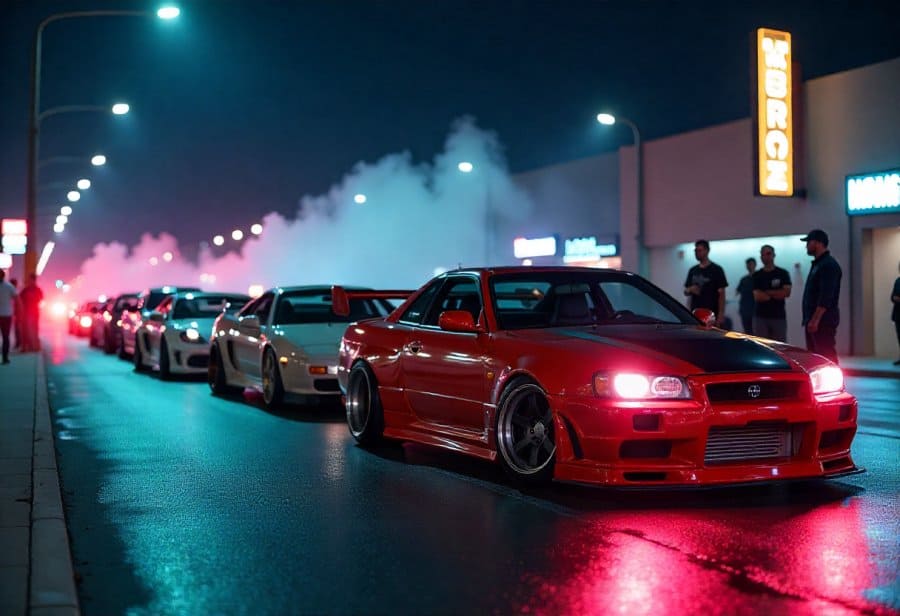
Underground street racing isn’t just about the rush of speed; it’s a scene deeply rooted in community and shared passion. These races often unfold in hidden corners of the city—abandoned streets, empty parking lots, or quiet industrial areas—where racers can push their limits away from the watchful eyes of law enforcement. What keeps these gatherings alive isn’t only the adrenaline but the bonds formed among participants. It’s about belonging to something bigger than just racing—a tight-knit brotherhood built on loyalty, trust, and mutual respect.
For many involved, these late-night meets serve as more than competitions. They’re spaces to forge connections, share knowledge, and support each other through setbacks and risks. Cars become more than transportation; they symbolize identity and pride, often heavily modified to boost performance and style. Racers work together to upgrade their rides, turning individual efforts into collective projects that deepen their sense of camaraderie. These shared endeavors and victories create a feeling of unity that transforms cars into symbols of community and resilience.
This culture is also steeped in tradition. Unspoken rules—such as secret meeting spots, signals, and rituals—help maintain secrecy and trust within the scene. Racing at night becomes almost ceremonial, a moment where boundaries fade and focus shifts entirely to collective experience. The bonds formed aren’t fleeting; they’re built on years of loyalty, passed-down stories, and shared routines. Even outside the races, crews gather to exchange tips, celebrate successes, and support each other’s growth, reinforcing a sense of family that extends beyond the asphalt.
What makes underground racing particularly compelling is how these bonds transcend the races themselves. Drivers depend on each other’s judgment during high-stakes moments, knowing that their safety and reputation hinge on mutual support. Mechanical failures, police threats, or rivalries are navigated through reliance and teamwork. These shared challenges deepen the kinship, turning fleeting adrenaline rushes into lifelong relationships. It’s a culture where loyalty isn’t just a word—it’s a core value that keeps the scene resilient and vibrant.
At its heart, underground street racing is about more than fast cars and midnight races. It’s a community built on trust, tradition, and shared purpose. The relationships formed in moments of shared risk and achievement aren’t just fleeting—they’re the foundation that sustains the scene. These bonds transform speed into a language of loyalty, making the culture more than just a pastime; it’s a family rooted in adrenaline, resilience, and unbreakable brotherhood.
From Rebellion to Culture: Tracing the Roots and Evolution of Street Racing
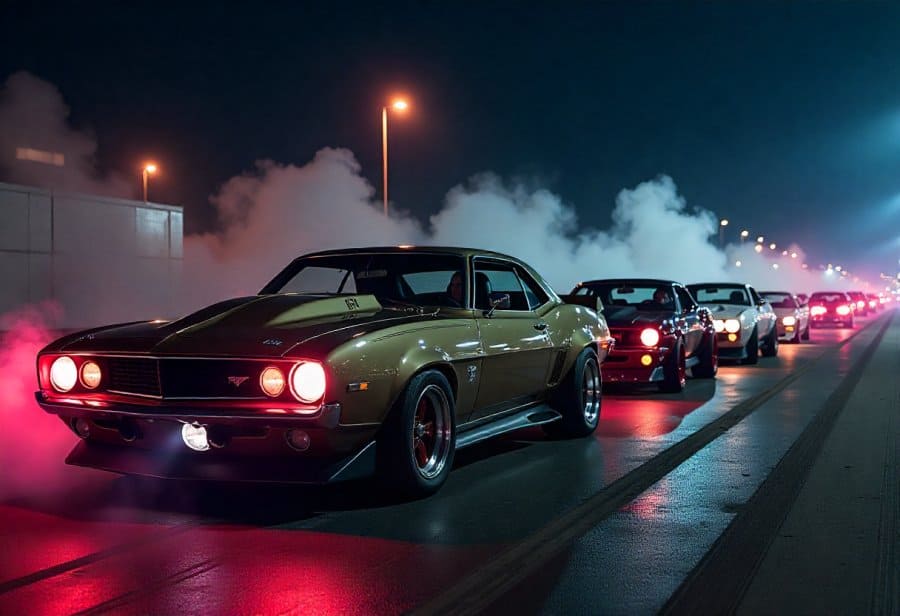
The origins of street racing trace back to the 1960s and 70s, when young car enthusiasts started challenging each other on deserted city streets after dark. Driven by a desire to push their vehicles to the limit and to challenge social norms, these races quickly became a form of rebellion. Muscle cars like the Ford Mustang and Chevrolet Camaro became symbols of independence and status, embodying the youthful spirit of defiance. What began as casual bragging rights among friends soon laid the groundwork for a larger, more organized underground scene.
Over the years, these informal challenges evolved into structured gatherings. Racers formed crews, developing routines and traditions that fostered a sense of belonging. Car modifications—such as turbo upgrades, custom paint, and performance tuning—became expressions of personal identity and pride. Movies like “The Fast and the Furious” helped glamorize this underground culture, inspiring new generations to participate and pushing the scene into mainstream consciousness.
Technological advances also played a key role in its evolution. Better tuning tools, digital data loggers, and online forums allowed racers to refine their craft with greater precision, making races more competitive and skill-based. Despite law enforcement efforts to crack down on illegal racing, the scene adapted by organizing secret meetups and sharing knowledge through underground networks, ensuring its resilience.
Media portrayals, especially Hollywood films, contributed to a romanticized image of street racing that drew wider attention. While this increased popularity brought some legitimacy, it also intensified police crackdowns and legislation aimed at curbing illegal activity. Yet, these pressures often strengthened community ties, as racers viewed themselves as part of a resilient brotherhood committed to their passion and each other.
Today, underground street racing blends its rebellious roots with modern technology and global connectivity. Online communities, social media, and digital tuning have transformed how racers organize, share knowledge, and showcase their modified cars. Despite ongoing legal challenges, the core of the scene remains rooted in its history of defiance, creativity, and resilience.
What remains constant is the scene’s ability to adapt without losing its original spirit. The sense of brotherhood, built on shared risk, loyalty, and tradition, continues to define this culture. From informal street challenges to a worldwide phenomenon, street racing’s evolution underscores a deep-seated desire for freedom, community, and self-expression—values that have kept it alive through decades of change.
Building Bonds in the Shadows: The Core Elements of Racing Brotherhood
At the core of underground street racing culture are the bonds that turn individual drivers into a close-knit brotherhood. Loyalty and trust are the foundation, built over years of shared experiences—late-night runs, victories, setbacks, and moments of support. Racers rely on each other’s skills and integrity, knowing their reputation depends on keeping secrets and backing one another up, no matter the stakes. This mutual support creates a sense of kinship that extends far beyond the pursuit of speed.
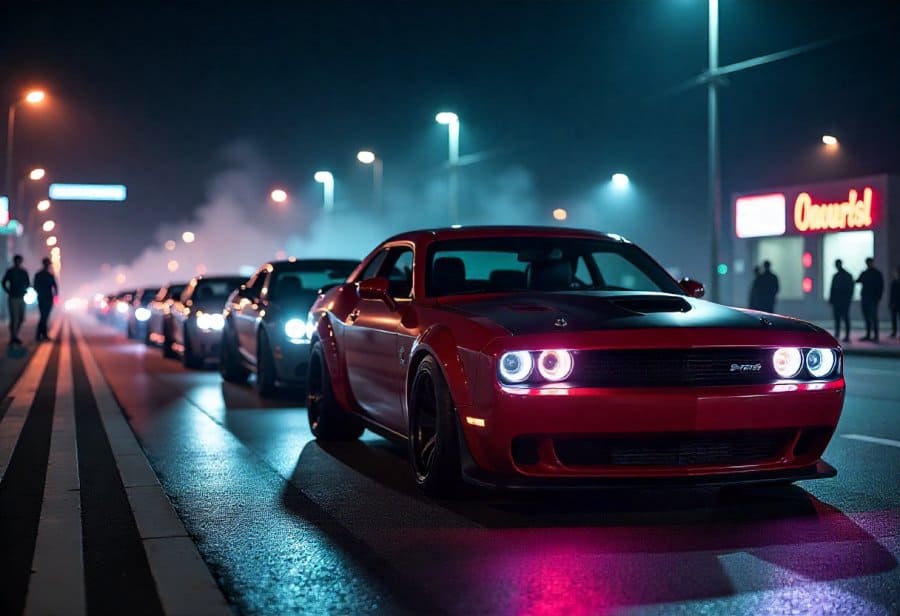
Night racing amplifies these connections. The darkness strips away distractions, leaving only the engines, the tires squealing, and the racers’ trust in each other. In these moments, reliance on teamwork and shared judgment is vital. The collective effort during high-stakes races forges a feeling of belonging, where trust isn’t optional—it’s essential for everyone’s safety and success. These shared adrenaline-fueled experiences become rituals that solidify their identity as a crew.
Beyond the races, everyday interactions deepen these bonds. Regular gatherings in garages or secret meetups serve as spaces for knowledge sharing, mentorship, and storytelling. Seasoned racers guide newcomers, passing down tips on tuning, safety, and strategy. Recognizing dedication and loyalty in others fosters respect and trust, creating a support network that ensures the culture’s continuity. These relationships turn a passion for cars into lifelong friendships rooted in mutual respect.
The risks involved—mechanical failures, police encounters, rivalries—necessitate reliance and teamwork. When drivers depend on their crew during a race, they’re not just competing; they’re trusting their team’s support and judgment. Overcoming adversity together deepens these emotional bonds, transforming fleeting moments of speed into enduring kinship. Every shared challenge and victory weaves another thread into the fabric of their brotherhood.
Symbols, rituals, and traditions further cement this unity. Crew logos, custom decals, and hand signals act as visual badges of loyalty, while secret signals or pre-race ceremonies pass down customs that reinforce their collective identity. These rituals transform individual efforts into a shared pride, embedding a deep sense of belonging that persists beyond the asphalt. It’s this collective culture that sustains their resilience, even amid external pressures.
Ultimately, the strength of underground street racing brotherhood lies in its lived experience. Trust, loyalty, shared rituals, and mutual support aren’t just ideals—they’re the daily reality. These bonds turn speed and rebellion into a collective journey rooted in loyalty and respect. It’s a community where relationships are forged in the heat of the moment and maintained through ongoing trust, ensuring that the culture remains vibrant and unbreakable.
Urban Identity and Youth Spirit: The Cultural Impact of Street Racing
Street racing has grown beyond its underground roots to become a powerful force shaping urban identity and youth culture. In many cities, these clandestine races symbolize rebellion and a desire for self-expression, offering young people a way to carve out their space amid social and economic challenges. The scene fosters innovation through car modifications and storytelling, creating a shared language and style that resonate deeply with urban life. This aesthetic—evident in custom decals, graffiti-inspired art, and streetwear—becomes a badge of belonging, connecting participants and fans alike in a broader cultural movement.
Loyalty remains a cornerstone of these communities. Racers trust one another with secrets about car setups, routines, and personal safety, knowing that betrayal could jeopardize their support network or lead to legal trouble. This unwavering loyalty binds crews together, especially when facing external threats like police crackdowns or rival groups. Acts of mutual support—helping with repairs, sharing resources, or standing together during police raids—reinforce a sense of unity that transforms a group of enthusiasts into a family.
Mentorship plays a vital role in passing down traditions and skills. Experienced racers often take newcomers under their wing, sharing tuning tips, safety practices, and rallying behind each other during late-night meetups. These relationships, built on respect and trust, ensure the culture’s continuity and foster a sense of pride. For many, being part of this scene isn’t just about racing; it’s about inheriting a legacy rooted in resilience, technical mastery, and mutual support.
Despite its illicit reputation, street racing continues to serve as a vital outlet for creativity and self-expression. It influences fashion, music, and visual art, shaping a distinctive urban aesthetic that celebrates rebellion and ingenuity. This cultural imprint helps embed racing into the city’s identity, inspiring local artists and musicians who draw from its energy. In turn, the scene acts as a platform for young people to express their individuality while forging bonds that transcend the asphalt.
The ongoing challenge lies in balancing tradition with change. Legal pressures and societal perceptions threaten to push the scene further underground, but the core values—loyalty, brotherhood, and resilience—remain resilient. As technology advances, so does the community’s ability to adapt, sharing knowledge through online forums or digital tuning. These innovations help sustain the culture’s vitality, ensuring it continues to thrive despite external obstacles.
At its heart, underground street racing is more than a pursuit of speed—it’s a reflection of urban life’s spirit. It embodies defiance, creativity, and the pursuit of belonging. The cultural impact extends far beyond the races, influencing the way young people see themselves and their communities. As long as loyalty and shared purpose remain central, this high-octane culture will continue to shape city streets and inspire generations to come.
Speed, Resilience, and Loyalty: The Future of Underground Racing Brotherhoods
Underground street racing has thrived for decades because of its core values—passion, loyalty, and a deep sense of community that extends far beyond just racing. Even as technology advances and societal attitudes shift, the bonds forged in these scenes remain the heartbeat of the culture. The relationships built during late-night drives, shared victories, and moments of mutual support continue to sustain and energize the scene, proving that it’s as much about connection as it is about speed.
Looking ahead, the scene faces significant challenges, from stricter laws to growing safety concerns. Police crackdowns and new regulations threaten to push races further underground, making it harder for crews to gather openly. At the same time, perceptions of street racing as reckless rebellion are gaining weight, which complicates efforts to keep the culture alive in the public eye. Yet, the community’s resilience and loyalty show no signs of fading. Racers tend to adapt quickly, finding new ways to organize, share knowledge, and maintain their traditions despite external pressures.
Technological innovations offer both risks and opportunities. Advanced tuning tools, digital data loggers, and online platforms are transforming how racers connect, plan, and improve their rides. These tools can enhance safety and performance but also raise questions about fairness and legality. Still, the core values of trust and brotherhood keep the scene rooted in its traditions. Sharing knowledge through digital channels allows newcomers to learn and grow, helping to preserve the culture’s spirit even as it modernizes.
The future of underground racing depends on balancing authenticity with change. Respecting the history and stories that have shaped the scene is vital for its longevity. Mentorship, storytelling, and symbols of loyalty will continue to serve as anchors, guiding new generations and reinforcing a sense of belonging. These traditions are more than rituals—they are the glue that holds the community together through evolving challenges.
Despite external hurdles, the resilience of this culture lies in its ability to adapt without losing its essence. The bonds of brotherhood—fostered through shared risks, loyalty, and mutual respect—remain unbreakable. As long as these relationships endure, the scene will continue to inspire and empower those involved, transcending the mere act of racing to become a way of life rooted in resilience and kinship.
As new generations step into the scene, they inherit not just modified cars but a legacy of loyalty and community. Their commitment to shared values will determine how long this high-octane culture persists. Every story of support, mentorship, and victory reinforces the scene’s foundation, ensuring that the spirit of underground street racing remains vibrant. No matter what obstacles arise, the bonds of brotherhood will keep this family alive, driven by a shared passion that goes beyond speed.