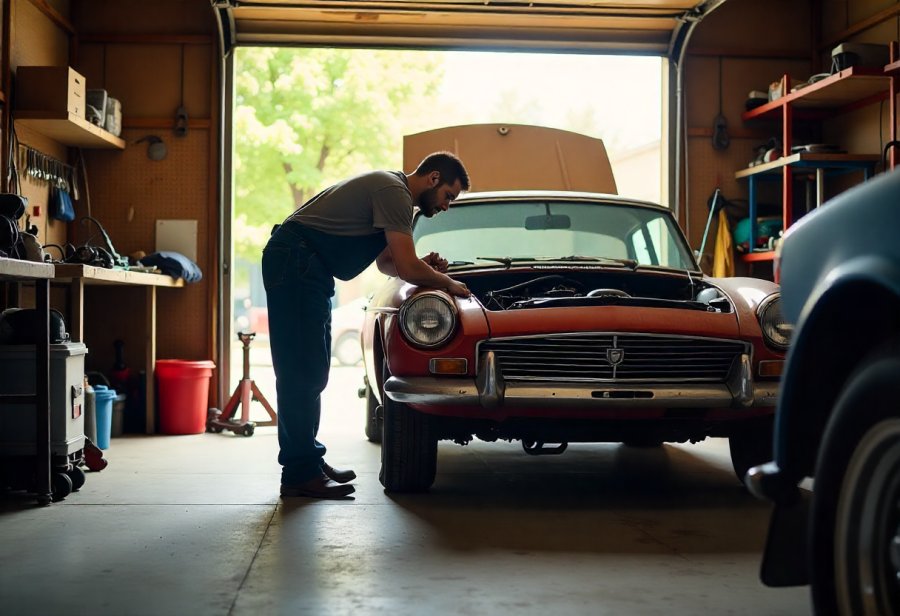
The Dodge Charger embodies the raw power and rebellious spirit of American muscle cars, igniting primal instincts with every roar of its engine. From its iconic roots in the late 1960s to its modern reinventions, this legendary vehicle has become a symbol of freedom, attitude, and street dominance. Its bold design—wide stance, muscular lines, and aggressive stance—paired with powerful engine options, from efficient V6s to monstrous supercharged V8s, ensures it commands attention and respect. But what truly sets the Charger apart is its cultural impact—starring in films, music, and street races—embodying speed, defiance, and independence. Are you ready to unleash this beast on the open road and experience the visceral thrill of pure American muscle? The Charger isn’t just a car; it’s a statement that challenges limits and invites you to tap into your deepest desires for power and rebellion.
Unleashing the Legend: The Raw Power and Primal Spirit of the Dodge Charger
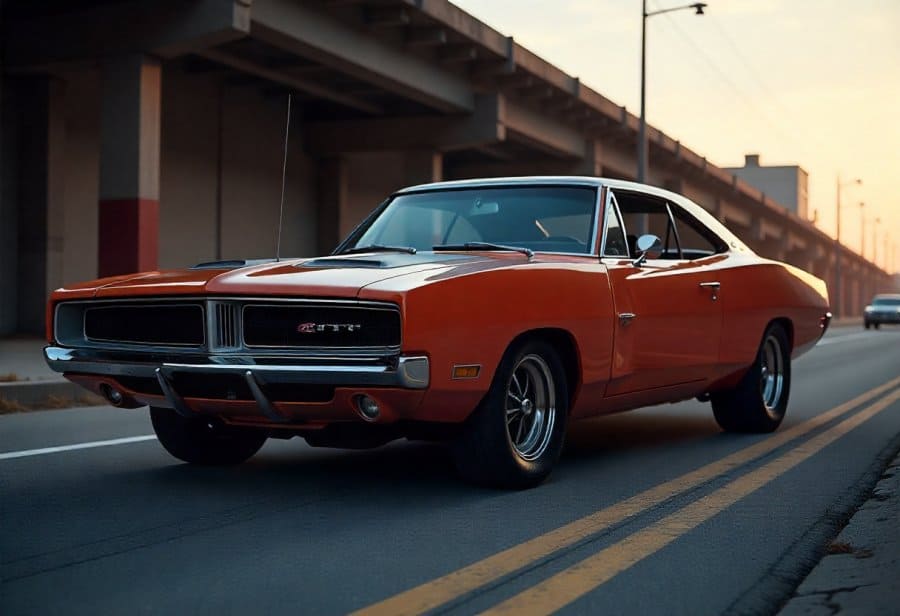
Few cars capture the raw spirit of American horsepower quite like the Dodge Charger. From its roots in the late 1960s to today’s modern iterations, it stands as a symbol of rebellion, power, and street dominance. Imagine a dimly lit street at dusk, where the air hums with anticipation. Out of the shadows emerges a classic 1969 Charger R/T, its sleek silhouette and aggressive stance hinting at the thunderous performance beneath the hood. This isn’t just a vehicle; it’s a statement of freedom and attitude, designed to turn heads and ignite passions.
The Charger’s design has always been a bold declaration. Its long, muscular body, wide stance, and sharp lines give it an unmistakable presence. Whether it’s the vintage models with chrome accents and fastback shapes or the contemporary versions with sleek aerodynamics and LED accents, each iteration reflects a relentless pursuit of primal road power. Beneath the surface, its engine options—ranging from efficient V6s to monstrous supercharged V8s—deliver performance that awakens deep-seated instincts for speed and control.
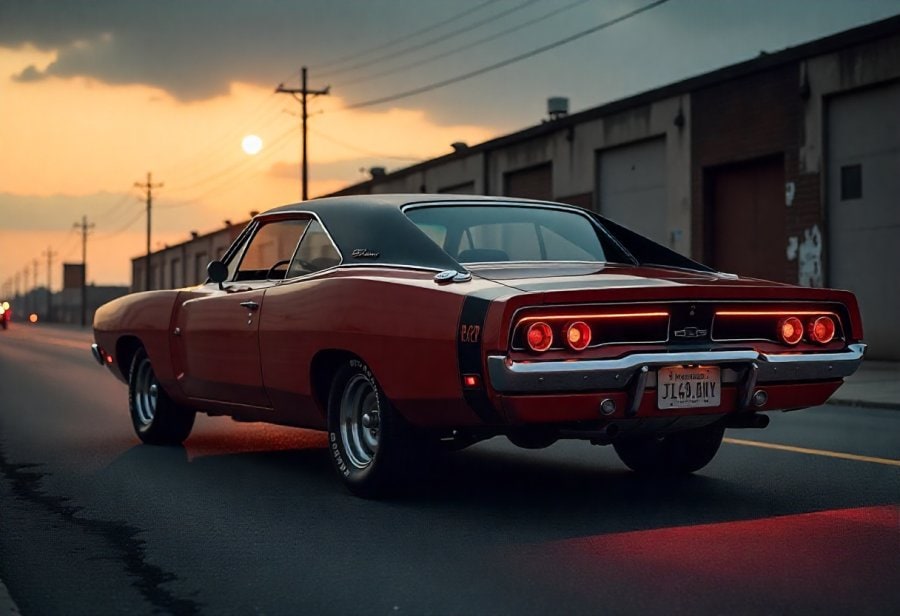
Throughout its history, the Charger has earned a reputation as a street racing beast and a pop culture icon. Its thunderous roar and muscular aesthetics have made it a favorite in movies, music, and underground racing scenes. Every rev of its engine and flash of its signature four round taillights reinforce its legendary status. More than transportation, it’s about making a statement—about owning the street and embodying the rebellious spirit that defines American muscle cars.
Driving a Charger isn’t just a journey; it’s an experience that stirs primal instincts. Its commanding presence and raw power evoke feelings of strength and independence. When you press the accelerator, you tap into a long tradition of muscle car rebellion, feeling the surge of adrenaline and the roar of its engine. It’s a visceral reminder that some machines are built not just to move but to dominate, awakening the deepest urges for speed and freedom.
This legendary car is more than metal and horsepower—it’s a cultural phenomenon. It symbolizes a fearless attitude, a desire to stand out, and an unyielding pursuit of raw performance. Whether tearing down open highways or cruising city streets, the Charger commands respect and ignites a primal urge in every driver. It’s a machine that embodies the unfiltered spirit of American muscle, forever etched into the collective imagination as a symbol of rebellion and power.
From Roots to Reign: The Evolution and Cultural Legacy of the Dodge Charger
The Dodge Charger first roared onto the streets in 1966, instantly making a bold statement in the world of muscle cars. Its long, wide body and fastback roofline challenged conventional design, capturing attention with an aggressive stance that seemed to challenge anyone who saw it. Under the hood, early models boasted powerful V8 engines, making them favorites among enthusiasts craving raw speed and a commanding presence. From the start, the Charger was more than just a means of transportation; it was an act of rebellion, wrapped in steel and speed.
Throughout the late 1960s and early ’70s, the Charger evolved through several generations, each pushing the boundaries of performance and style. The R/T versions became iconic symbols of American muscle car culture—renowned for their blistering acceleration and unmistakable looks. These models gained fame not only for their power but also for their appearances in movies and music, where they embodied freedom and defiance. The Charger’s reputation grew as a street racing beast that symbolized a generation eager to push limits and own the asphalt.
After a period of dormancy in the late ’70s and ’80s, Dodge revived the Charger in the late 2000s, blending nostalgic design cues with modern technology. The new models paid homage to their roots with muscular lines and a commanding stance, but now featured advanced engines and tech amenities. Today’s Chargers often pack supercharged engines capable of over 700 horsepower, echoing the raw energy of classic muscle cars while offering the comfort and sophistication drivers expect. This revival reinvigorated the Charger’s cultural relevance, appealing to both longtime fans and a new wave of enthusiasts hungry for street presence and performance.
The evolution of the Charger reflects a careful balance between honoring its heritage and embracing innovation. Dodge expanded its lineup to include everything from daily drivers with V6 engines to high-performance variants like the Hellcat. Each version carries the DNA of the original—muscular, aggressive, and unapologetically American. Modern design elements such as LED lighting and aerodynamic enhancements serve both style and function, ensuring the Charger remains a dominant force on the road. Its enduring appeal underscores that the spirit of the muscle car isn’t just about the past; it’s a continuous pursuit of power, rebellion, and primal road dominance.
Beyond its mechanical prowess, the Charger’s impact extends deep into pop culture and collective imagination. It’s appeared in legendary films like *Bullitt* and *The Dukes of Hazzard*, cementing its status as a vehicle of speed and attitude. Its thunderous engines and iconic silhouette have made it a staple in racing scenes, music videos, and street races around the world. The Charger isn’t just a car; it’s a symbol of independence and raw strength—an icon that continues to inspire drivers to push boundaries and unleash their primal urges.
Today, the Dodge Charger stands as a testament to the enduring power of American muscle. It embodies raw aggression, rebellious spirit, and a relentless drive for street dominance. More than just a machine, it’s a cultural phenomenon—an extension of those primal urges that fuel every car enthusiast’s passion. With each rev of its engine and every glance at its muscular profile, the Charger reminds us why it remains a legendary figure in automotive history, forever rooted in the primal pulse of the open road.
Muscle, Rebellion, and Road Domination: The Cultural and Mechanical Identity of the Dodge Charger
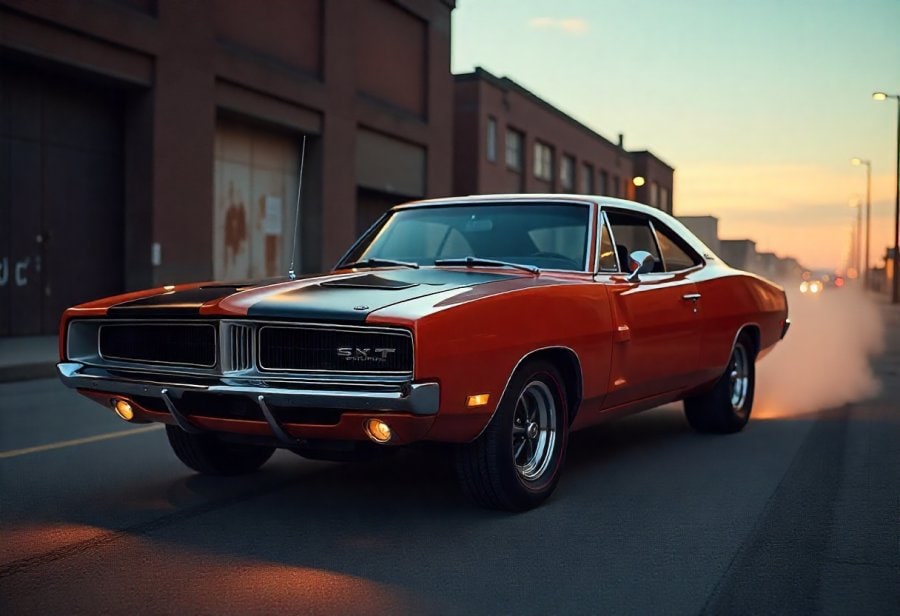
The Dodge Charger has long stood as a powerful symbol of American muscle and rebellious spirit. Its muscular build, aggressive stance, and thunderous engine notes evoke a primal strength that resonates deeply with those who see driving as an act of defiance. From its earliest days, the Charger has been more than just a high-performance vehicle—it’s a statement of independence, attitude, and street dominance. Its presence on the street isn’t merely functional; it’s an unspoken challenge, a declaration that the road belongs to those who refuse to conform.
Design elements like its wide fenders, bold grille, and sculpted lines reinforce its identity as a machine built to command respect. Under the hood, the engine options—especially the roaring V8s and supercharged variants—deliver staggering horsepower and torque, awakening instincts for speed and control. The deep growl and raw rumble of its engines create an immediate visceral response, making every drive feel like a confrontation with raw power. To enthusiasts, the Charger isn’t just a car; it’s an extension of a rebellious mindset that craves dominance and freedom.
The Charger’s cultural impact is cemented through its iconic appearances in movies such as *Bullitt* and *The Dukes of Hazzard*, where it embodies speed, attitude, and daring escapes. These moments helped elevate the vehicle from a mere performance machine to a pop culture icon—representing unfiltered strength and independence. Its thunderous engines and unmistakable silhouette have made it a favorite in racing scenes, music videos, and underground street races, reinforcing its reputation as a street racing beast.
Owning and driving a Charger taps into deep primal urges—power, control, and the thrill of owning the road. Its muscular stance and commanding engine sounds awaken feelings of strength and self-reliance. Every press of the accelerator becomes an act of assertion, pushing limits and challenging expectations. The visceral connection to the machine turns routine drives into declarations of rebellion, reminding drivers that they’re part of a tradition that values raw energy over conformity.
Beyond individual drivers, the Charger resonates as a cultural symbol that inspires a broad community of enthusiasts. Whether tearing through city streets or cruising open highways, it signals a fearless attitude and a desire to stand out. Its signature roar and aggressive silhouette continue to turn heads and spark conversations, keeping its legacy alive. The Charger embodies a fearless, rebellious mindset that refuses to fade into the background, standing as a testament to the enduring power of American muscle and street racing culture.
Ultimately, the Dodge Charger exemplifies what it means to embrace the primal instincts of speed and rebellion. It’s a living, breathing icon—more than just a muscle car, it’s a cultural phenomenon that continues to ignite passions and inspire new generations. It reminds us that some machines are built not just to move but to challenge, dominate, and embody the unyielding spirit of American muscle.
Design and Power Unleashed: Visuals, Engines, and Performance that Define the Charger
The Dodge Charger’s design is a bold declaration of muscle and aggression, expertly blending form with function to command attention on the street. Its wide stance and muscular bodywork create an unmistakable silhouette that exudes power and confidence at a glance. Every line and contour serve a purpose—emphasizing strength, enhancing aerodynamics, and fueling its reputation as a performance machine. From the aggressive front grille to the sculpted rear, each detail amplifies its primal road presence, making it impossible to ignore.
Beneath this commanding exterior lies a range of engine options that define the Charger’s dominance. Starting with a 3.6-liter V6, it offers a balanced mix of everyday usability and solid performance. But it’s the V8 variants that truly turn heads—particularly the legendary 6.2-liter supercharged HEMI found in models like the Hellcat. With horsepower often exceeding 700, these engines deliver blistering acceleration and raw, unfiltered power that awaken primal instincts and fuel adrenaline-fueled drives.
Performance metrics reinforce the Charger’s reputation as a street racing beast. Many high-performance trims can accelerate from zero to 60 mph in under four seconds, with top speeds surpassing 200 mph in select variants. These numbers aren’t just statistics—they’re a testament to the engineering prowess that allows the Charger to dominate both drag strips and open highways. Advanced suspension setups and high-performance tires provide the handling needed to unleash that power confidently, ensuring stability and control even at extreme speeds.
Aerodynamic enhancements like spoilers, scoops, and diffusers complement its muscular design while boosting performance. Inside, the cockpit is tailored for the driver’s command, featuring digital gauges, performance displays, and intuitive controls that keep everything within easy reach. This seamless integration of vintage muscle aesthetics with modern technology ensures the Charger remains relevant and formidable, appealing to enthusiasts seeking both style and substance.
Every detail, from its bold grille to its thunderous engine notes, underscores its purpose: to dominate the road and ignite primal urges. Its design isn’t just about aesthetics; it’s about engineering a machine built to perform and inspire. The deep growl of its engines and its commanding stance serve as a call to action—an invitation to embrace raw power and unrestrained speed.
The Charger’s combination of striking visual elements and formidable power makes it more than a car; it’s a statement. It embodies the relentless pursuit of primal road dominance, reminding everyone that some machines are meant to shake up the status quo. Whether tearing down highways or roaring in urban streets, the Charger’s presence is undeniable—an icon of American muscle that continues to set the standard for raw, unapologetic performance.
In the Driver’s Seat: The Impact, Culture, and Visceral Experience of Driving a Dodge Charger
Driving a Dodge Charger is more than just getting from point A to B; it’s an experience that awakens primal instincts and leaves a lasting impression. The roar of its engine, the commanding stance, and the raw power it unleashes on the street create an adrenaline-fueled connection that’s hard to match. Whether tearing through city streets or cruising open highways, the Charger commands respect and turns heads with its unmistakable presence. It’s a vehicle that doesn’t just move you forward—it ignites a feeling of dominance and freedom that resonates deep within.
In pop culture, the Charger has cemented itself as a symbol of rebellion and unfiltered strength. From legendary chase scenes in movies like *Bullitt* to its iconic role in *The Dukes of Hazzard*, this car embodies speed and attitude. Its thunderous engine notes and aggressive silhouette have made it a staple in racing scenes, music videos, and underground street races worldwide. Each appearance reinforces its image as a street racing beast, a machine built to challenge limits and embody the spirit of rebellion that defines American muscle cars.
Owning a Charger taps into powerful, primal urges—control, speed, and the thrill of owning the road. Every press of the accelerator becomes an assertion of strength, pushing past boundaries and defying expectations. The visceral feedback from the engine’s growl and the car’s commanding presence turn everyday drives into acts of self-expression. Driving it is a declaration that the street belongs to those who refuse to conform, who seek to dominate with raw energy and unrelenting power.
Beyond individual thrill, the Charger’s cultural impact continues to inspire. It’s a symbol that unites enthusiasts and newcomers alike, representing a fearless attitude and a desire to stand out. Whether racing down urban streets or carving through mountain roads, the Charger’s roar and striking silhouette spark admiration and conversation. Its legacy is woven into the fabric of street racing culture and car history, a constant reminder of the primal desire to push limits and unleash the beast within.
For those who crave more than just transportation, the Charger offers a visceral, almost euphoric experience. Its power and presence evoke a sense of freedom and rebellion that’s hard to find elsewhere. Every drive becomes a moment of unleashing raw energy, a reminder of what makes muscle cars legendary: their ability to stir deep-seated instincts and ignite primal urges. The Charger remains an icon of street racing, rebellion, and American muscle—forever ready to command the road’s primal urge.