Throughout American history, charismatic figures promising simple solutions have captivated the public—be it Clark Stanley with his theatrical snake oil shows or Donald Trump with his electrifying campaign rallies. This enduring fascination reveals a deep-seated desire for reassurance amid chaos, where spectacle and emotion often overshadow substance. From 19th-century medicine shows blending entertainment with dubious cures to modern social media-driven politics, the pattern remains: showmanship and emotional appeal forge loyalty, even when underlying truths are elusive. Why are Americans so eager to buy into illusions of quick fixes? Is it a reflection of our collective longing for control and clarity in a complex world? As leaders master the art of spectacle—crafting narratives that evoke hope, fear, or pride—we are confronted with a compelling question: do we seek genuine cures, or are we simply drawn to the allure of snake oil packaged as salvation? Recognizing this pattern may be key to fostering a healthier democracy rooted in authenticity and critical thinking.
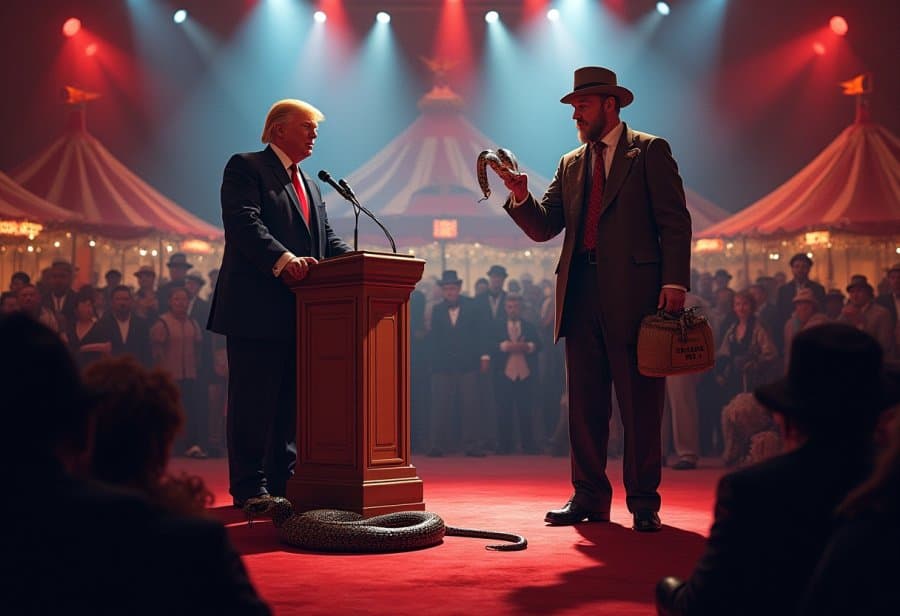
The Enduring Allure of Charismatic Leaders and Simple Solutions in America
Throughout American history, there’s a recurring pattern: people are irresistibly drawn to charismatic leaders who promise simple, straightforward solutions to complex problems. Whether in politics, entertainment, or health, figures who exude confidence and authenticity tend to command attention and loyalty. This isn’t just about personal charm; it taps into a deep-seated desire for clarity and reassurance, especially during uncertain times. When chaos or ambiguity take hold, many prefer to believe in quick fixes and larger-than-life personalities that make their challenges feel more manageable.
This attraction is rooted in human psychology. Charismatic figures speak directly to our emotions—hope, fear, pride—and create bonds that feel genuine, even if they’re based on illusion. Their confident communication style makes us feel understood and seen, forging loyalty that can last despite a lack of real substance. In a society that celebrates individualism and optimism, leaders who simplify problems and offer immediate answers become especially appealing. They promise a sense of control that many crave when faced with societal upheaval or personal struggles.
Culturally, the American penchant for spectacle and showmanship plays a key role. From the earliest political rallies to modern media campaigns, performance has always been central. Leaders who can command attention through theatrical gestures, memorable slogans, or bold promises stand out. This tradition of spectacle isn’t limited to politics; it’s woven into the broader entertainment landscape, where storytelling and emotional appeal often outweigh nuance or complexity. Spectacle creates immersive experiences that feel authentic, even when they’re not.
This pattern isn’t new. Historically, medicine shows in the 19th century blended entertainment with the sale of dubious cures—using theatrical flair and showmanship to persuade audiences to buy into miracle remedies that were often more illusion than medicine. These traveling acts created a sense of wonder and trust, making viewers eager to believe in quick fixes. Today’s political rallies and media campaigns continue this tradition, crafting emotional, immersive experiences designed to forge loyalty and trust, often at the expense of detailed understanding.
By recognizing this pattern, we gain insight into why spectacle and simple solutions remain so compelling. It reveals a cultural and psychological longing for certainty, control, and hope—especially when faced with a complex world. Understanding this helps us navigate a landscape dominated by showmanship rather than substance, reminding us of the importance of critical thinking in distinguishing genuine progress from mere illusion.
From Medicine Shows to Modern Spectacles: The Historical Power of Showmanship
The roots of spectacle-driven persuasion in America stretch back to the 19th century, a time when showmanship became essential for capturing public attention. Medicine shows emerged as a particularly popular form of entertainment and marketing, blending theatrical acts with the sale of dubious cures. These traveling performers used dramatic demonstrations—such as pulling rattlesnakes from sacks or performing loud, theatrical claims—to convince audiences they held the secret to health and happiness. Their performances weren’t just about selling remedies; they created a sense of wonder and trust, making viewers eager to believe in miracle cures, whether genuine or not.
One of the most iconic examples is Clark Stanley, the “Rattlesnake King,” who performed at the 1893 World’s Fair. With flair and theatricality, he dramatically pulled a live rattlesnake from a sack, sliced it open, and claimed to extract a potent remedy—snake oil—that could cure a wide range of ailments. His act captivated crowds, blurring the line between entertainment and deception. Although some snake oils did contain medicinal properties, Stanley’s exaggerated theatrics transformed it into a symbol of fraud, a deception that echoes throughout American history. This show wasn’t just about selling medicine; it was about crafting an experience that kept audiences hooked.
This tradition of using entertainment to influence perception didn’t stay confined to medicine shows. Over time, political campaigns adopted similar tactics, turning rallies into theatrical spectacles filled with flags, music, and fiery speeches designed to inspire loyalty. As media evolved—from newspapers to radio and television—these spectacles grew even more elaborate. Campaigns became like theatrical productions, with slogans, grand gestures, and crafted personas meant to evoke strong emotional reactions and forge bonds of loyalty. This blend of entertainment and persuasion laid the groundwork for today’s spectacle-driven politics.
The influence of spectacle isn’t limited to politics either. It’s deeply woven into the American entertainment landscape, where storytelling and emotional appeal often outweigh nuance or detailed analysis. Leaders who can command attention through theatrical gestures or memorable slogans tend to stand out, regardless of their substance. This pattern demonstrates that spectacle remains a powerful tool for shaping perceptions and loyalties, creating immersive experiences that feel authentic—even when they’re based on illusion. It’s a tradition rooted in the desire to captivate and influence audiences through showmanship.
Looking at the history of medicine shows reveals a broader cultural tendency: the belief in miracle cures and quick fixes. Some remedies, like Chinese water snake oil, had real medicinal value, helping to treat joint pain and inflammation. But the widespread use of false promises and exaggerated claims often overshadowed these truths. Showmen like Clark Stanley capitalized on the public’s hope for easy solutions, blending fact and fiction into compelling illusions that drew people in—sometimes with disastrous consequences. This long-standing tradition of spectacle and persuasion continues to influence the ways leaders and marketers craft their messages, reminding us that beneath the show often lies a mix of truth and deception.
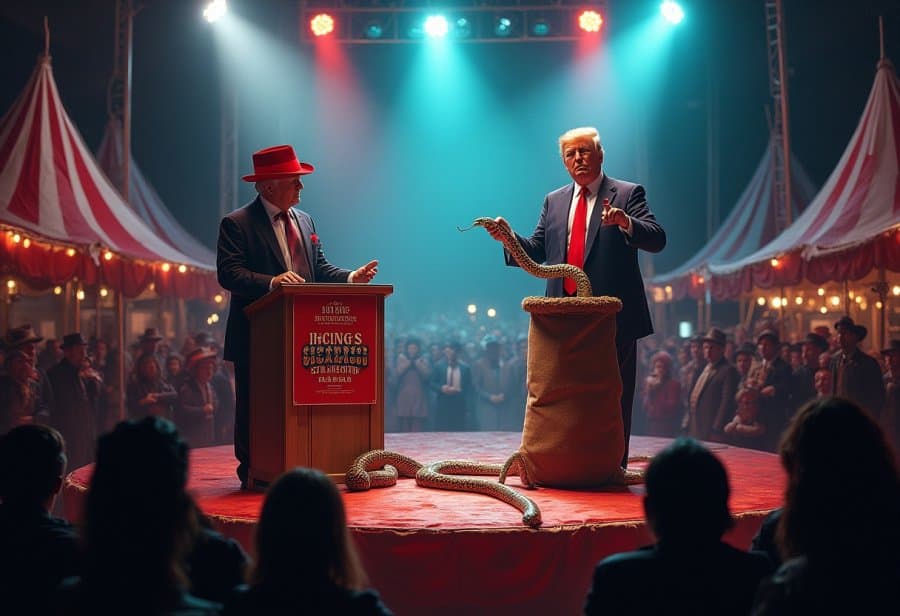
Emotional and Cultural Drivers Behind America’s Fascination with Charisma
Americans’ fascination with charismatic leaders and simple solutions is deeply rooted in how our emotions shape our perceptions. When faced with complex, often overwhelming problems—whether in health, politics, or society—we tend to seek out figures who speak directly to our hopes, fears, and sense of identity. These leaders excel at making us feel understood and valued, often bypassing rational analysis in favor of emotional connection. That bond feels genuine, even if it’s built on illusions, and it’s powerful enough to forge lasting loyalty.
Culturally, the idea that a single decisive act or a larger-than-life figure can spark change runs deep in the American story. From frontier heroes to modern populists, there’s a recurring belief that transformation is just one bold move away. This narrative fuels the appeal of quick fixes—catchphrases, symbols, and personas promising rapid results. We want to believe problems are manageable if only the right person or remedy appears, offering a comforting sense of control amid chaos.
Psychologically, emotional experiences pack a punch. Hope, anger, pride, and fear resonate at a primal level, forging bonds that feel authentic even if they’re based on illusions. Leaders who tap into these feelings can create a shared purpose, making followers loyal and committed. Because these bonds are rooted in emotion, they often overshadow critical thinking, leading supporters to accept simplified stories aligned with their deepest hopes or anxieties.
Humans crave agency and control, especially in uncertain times. When life feels unpredictable, believing in straightforward solutions or confident leaders provides relief. It’s easier to rally behind a catchy slogan or an inspiring persona than confront the messiness of genuine problems. This craving for instant reassurance keeps the cycle of quick fixes alive, with charismatic figures offering the promise that relief is just a rally, a tweet, or a bottle away.
Authenticity plays a key role. Charismatic leaders craft identities that seem genuine—emphasizing shared roots, values, or struggles—to foster trust. Whether they claim to represent “the people” or project humility, supporters see them as authentic protectors or saviors. Even if these personas are superficial, the emotional payoff feels real, reinforcing the idea that simple, quick solutions are both possible and necessary.
This interplay of emotion, culture, and identity explains why spectacle and simplicity continue to attract Americans. It’s not just about individual personalities but about a collective longing for reassurance in uncertain times. Leaders who master emotional appeal and craft authentic-seeming identities can rally support by offering hope and clarity—often at the expense of truth and nuance.
Recognizing these drivers helps us understand why showmanship remains so compelling. It reveals a cultural tendency to prefer quick fixes over long-term solutions and emotional resonance over critical analysis. To foster a more discerning society, we need to value transparency, question simplistic narratives, and cultivate patience for genuine progress. Only then can we move beyond the illusion of instant cures and build trust based on substance, not spectacle.
Understanding these psychological and cultural dynamics also highlights how easily audiences can be swayed by figures who promote false promises. When leaders exploit emotional appeals and present themselves as saviors, they often resemble the archetype of the ‘Snake Oil Salesman of the Senate,’ offering quick fixes that distract from real solutions. Recognizing this pattern is crucial in our efforts to promote critical thinking and resist falling for manipulative tactics.
Spectacle in the Modern Age: How Showmanship Shapes Contemporary America
The fascination with spectacle and simple solutions in America hasn’t faded; it’s more vibrant than ever. Modern campaigns are filled with fiery rallies, catchy slogans, and larger-than-life personalities who understand how to capture attention and energize supporters. Social media has turbocharged this trend, turning political messaging into rapid performances where emotion often outweighs nuance. A viral tweet or a dramatic video can rally millions in moments, often with little regard for complexity or accuracy.
Take Donald Trump’s presidency as a prime example. His rallies felt more like entertainment events—full of grand gestures, provocative language, and moments designed to go viral. He mastered the art of spectacle, knowing that emotional reactions—anger, pride, hope—are powerful tools for building loyalty. Slogans like “Make America Great Again” condensed complex issues into memorable, emotionally charged calls to action. This approach transformed politics into entertainment, where the show often overshadowed the substance.
This pattern speaks to a deep cultural craving for immediacy and reassurance. Americans tend to favor quick fixes because they offer a sense of control in an unpredictable world. Leaders who craft messages with visual flair, memorable phrases, and dramatic moments can swiftly sway public opinion—even if their promises lack depth. These moments satisfy the desire for certainty and hope, especially when genuine solutions seem distant or complicated.
The influence of spectacle extends beyond campaign events. Social media platforms have become their own stage, with memes, viral videos, and emotionally charged visuals shaping opinions faster than traditional news. Leaders who understand how to craft compelling narratives—focusing on feelings rather than facts—can sway support with astonishing speed. This digital environment rewards emotional engagement over critical thinking, making surface-level messages more impactful than ever.
In today’s political arena, performance often takes precedence over policy. Bold statements, theatrical gestures, and curated personas are the currency of support. Leaders skilled in entertainment can dominate the landscape, regardless of the depth of their ideas. This shift isn’t accidental; it’s rooted in decades of tradition where showmanship and emotional appeal have been key to influence. The spectacle becomes a strategic tool to forge bonds and rally support, often at the expense of truth and nuance.
Visual storytelling and dramatic framing now permeate campaign ads and political debates, turning issues into narratives filled with heroes and villains. Music, imagery, and storytelling aim to evoke specific feelings—urgency, pride, fear—that make complex problems seem urgent and solvable. This emotional resonance often overrides critical evaluation, making the public more receptive to superficial solutions that promise quick relief.
As spectacle continues to dominate, distinguishing fact from entertainment becomes harder. The line between genuine policy and performative show blurs, leaving many voters more influenced by emotional cues than by facts. Leaders who rely on spectacle tend to avoid tough questions or admitting uncertainty, preferring memorable moments that may be misleading. This cycle risks turning public discourse into a spectacle where feelings overshadow truth, shaping perceptions more than reality.
Fostering a healthy democracy now requires critical awareness. Recognizing how showmanship and emotional appeals operate helps us resist superficial narratives. Promoting media literacy, encouraging diverse perspectives, and valuing depth over flash are essential steps. Without these efforts, spectacle risks overshadowing substance, leaving the public more focused on entertainment than on meaningful progress. Balancing spectacle with authenticity and truth is the challenge—and the key—to ensuring that emotional resonance serves democracy, not undermines it.
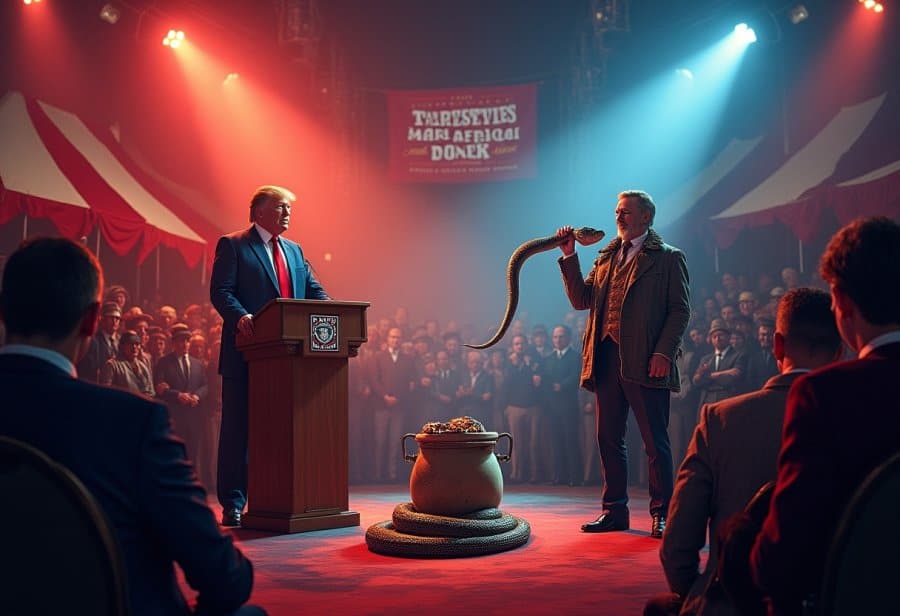
The Cultural Legacy of Charisma and Quick Fixes in the American Identity
America’s fascination with showmanship, charisma, and quick fixes runs deep, woven into the very fabric of our cultural identity. From the frontier days to today’s social media-driven politics, we have a long history of being captivated by larger-than-life figures who promise easy solutions amid complex problems. This pattern taps into a fundamental human desire for reassurance—that somehow, a simple answer or a charismatic leader can restore order and hope when everything feels uncertain.
Throughout our history, spectacle has served as a powerful tool to shape perceptions. Medicine shows, political rallies, and modern campaigns all share a common thread: immersive performances designed to evoke strong emotional reactions. These moments create bonds based on shared identity, pride, and hope, often eclipsing the importance of facts or nuance. The illusion of authenticity often outweighs genuine substance because it satisfies our craving for certainty and control, especially in turbulent times.
Cultural stories reinforce this tendency. The American narrative celebrates the idea that one decisive act, one charismatic figure, can spark transformation. Whether it’s a frontier hero or a populist leader, we tend to believe that change is just one bold move away. This belief sustains the allure of slogans, symbols, and dramatic gestures that make complex issues seem manageable and urgent. We want to believe relief is achievable overnight, even if the reality demands patience, effort, and nuanced understanding.
Today’s media landscape amplifies this pattern exponentially. Social platforms turn political messaging into rapid-fire performances, where emotional impact often trumps factual accuracy. Viral videos, catchy slogans, and emotionally charged visuals shape opinions faster than traditional news ever could. Leaders who master the art of spectacle—crafting narratives that resonate emotionally—can sway support swiftly, regardless of the depth or truth behind their messages.
This shift has transformed political discourse into performance art. Bold statements, theatrical gestures, and curated personas now take center stage, often more influential than policies or detailed plans. Leaders skilled in entertainment dominate the landscape, their support driven by feelings rather than facts. This dynamic risks turning democracy into a spectacle where emotional resonance overshadows critical evaluation, and surface-level messages become the currency of influence.
Ultimately, our collective inclination toward spectacle and simplicity reflects a deeper longing for reassurance in a complex world. We seek quick relief from uncertainty, hoping that charisma or a clever slogan can deliver instant solutions. Recognizing this pattern is crucial, not just to understand our history, but to foster a society that values transparency, patience, and substance over superficiality.
Balancing showmanship with authenticity and truth remains a challenge. Cultivating critical thinking, media literacy, and a commitment to long-term understanding can help us resist the allure of superficial solutions. Only by embracing complexity and valuing genuine progress over fleeting spectacle can we ensure that the promise of charisma serves democracy rather than undermines it.