The final mission of NASA’s space shuttle Atlantis in 2011 marked a historic turning point in human space exploration. More than just a farewell to a symbol of technological ingenuity, it embodied decades of international collaboration, scientific achievement, and relentless innovation. As Atlantis lifted off, millions felt a profound mix of pride and nostalgia, recognizing that this moment signified both an end and a new beginning. Its journey underscored the importance of safety, adaptability, and shared goals, having played a pivotal role in constructing and servicing the International Space Station. Yet, this milestone also prompted questions about the future—how will humanity navigate the transition to commercial partnerships and deeper space missions? Atlantis’s legacy continues to inspire future explorers, reminding us that each ending fosters new possibilities. Could this historic flight be the catalyst for humanity’s next great leap into the cosmos?
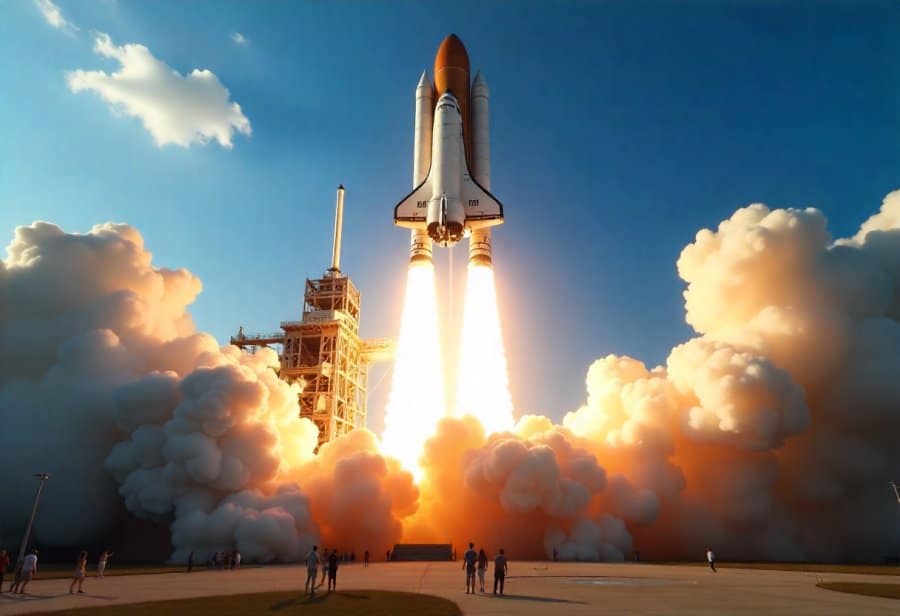
Atlantis’s Final Launch: A Historic Milestone in Space Exploration
On July 8, 2011, NASA’s Space Shuttle Atlantis launched on its final mission, marking a historic milestone in human space exploration. After nearly 30 years of service, Atlantis’s last journey was more than just the end of the shuttle program; it symbolized decades of technological achievement, international collaboration, and scientific progress. Watching it lift off, millions around the world felt a mix of pride and nostalgia, knowing they were witnessing the conclusion of an extraordinary chapter in space history.
This mission wasn’t just about saying goodbye to a spacecraft. It carried vital supplies, scientific equipment, and crew to the International Space Station, helping to sustain and advance ongoing research. Atlantis’s ability to perform complex docking maneuvers and handle cargo with precision underscored its importance as one of NASA’s most reliable and versatile shuttles. Its final flight was a fitting farewell to a craft that had become a symbol of human ingenuity and resilience.
The significance of Atlantis’s final mission stretches beyond its technical feats. It marked the end of an era characterized by bold risk-taking and groundbreaking innovation. The shuttle program revolutionized spaceflight, making human exploration more routine and fostering global partnerships that continue to shape our understanding of space. Atlantis’s contributions helped build the International Space Station, a testament to what international teamwork can accomplish in orbit.
Watching Atlantis ascend for its last time also stirred feelings of hope for the future. It reminded us that perseverance and technological progress are key to unlocking new frontiers. As the shuttle era closed, discussions about next steps in exploration—such as returning to the Moon or targeting Mars—gained momentum. Atlantis’s final flight was more than a farewell; it was a rallying cry for a new generation of explorers to push beyond familiar horizons.
This moment in space history reinforced the importance of continuous innovation and international cooperation. Atlantis’s journey demonstrated how shared goals and collaborative effort can overcome technical challenges and drive scientific discovery. Its legacy continues to influence current and future missions, inspiring a renewed focus on exploration and discovery beyond Earth.
Tracing Atlantis’s Journey: Milestones and Achievements of a Legacy-Building Shuttle
Atlantis, officially designated OV-104, was the last of NASA’s space shuttles to be built, with its development kicking off in the early 1980s. Its first launch in 1985 marked the beginning of nearly three decades of service, during which it earned a reputation for reliability and versatility. From deploying satellites to assembling the International Space Station, Atlantis’s missions covered a wide range of objectives that showcased the shuttle’s adaptability and engineering prowess.
Throughout its career, Atlantis played a key role in constructing the ISS, transporting crucial modules, scientific gear, and supplies that helped establish the station as a permanent human presence in orbit. Its cargo bay and robotic arm were instrumental in handling large components like solar arrays and laboratory modules with precision, enabling complex assembly tasks that were once considered impossible. These achievements not only advanced international cooperation but also pushed the boundaries of space science and engineering.
Technological advancements characterized Atlantis’s operational life. Upgrades to its thermal protection system, including reinforced tiles, enhanced its safety during re-entry. Improvements to onboard computers and avionics allowed for more sophisticated docking maneuvers, ensuring safer and more efficient missions. Each upgrade reflected NASA’s ongoing commitment to safety, reliability, and innovation, setting new standards for reusable spacecraft.
Atlantis also demonstrated resilience in the face of significant challenges. It played a vital role in servicing the Hubble Space Telescope, conducting repairs and upgrades that expanded our understanding of the universe. Its robotic arm was extensively used for satellite deployment, station assembly, and maintenance, proving the shuttle’s technological capabilities and its importance as a workhorse for NASA’s scientific and logistical needs.
The shuttle’s career also mirrored broader shifts in space exploration. Its missions supported scientific experiments, technology demonstrations, and international partnerships that laid the groundwork for future endeavors. Atlantis’s ability to carry large payloads and perform complex docking operations helped solidify the shuttle program’s reputation as a pioneering force in human spaceflight, emphasizing reusability and global collaboration.
However, Atlantis’s journey was not without tragedy. The Challenger disaster in 1986 and Columbia in 2003 cast long shadows, prompting NASA to overhaul safety protocols and reinforce its safety culture. These setbacks underscored the inherent risks of human spaceflight but also drove technological and procedural improvements that made subsequent missions safer and more resilient.
Today, Atlantis’s operational history stands as a testament to perseverance, innovation, and international teamwork. Its legacy continues to influence modern space exploration, reminding us that each milestone built on the last. The shuttle’s story is one of continuous progress—pushing technological boundaries and fostering global cooperation—forming a foundation that future missions will undoubtedly build upon.
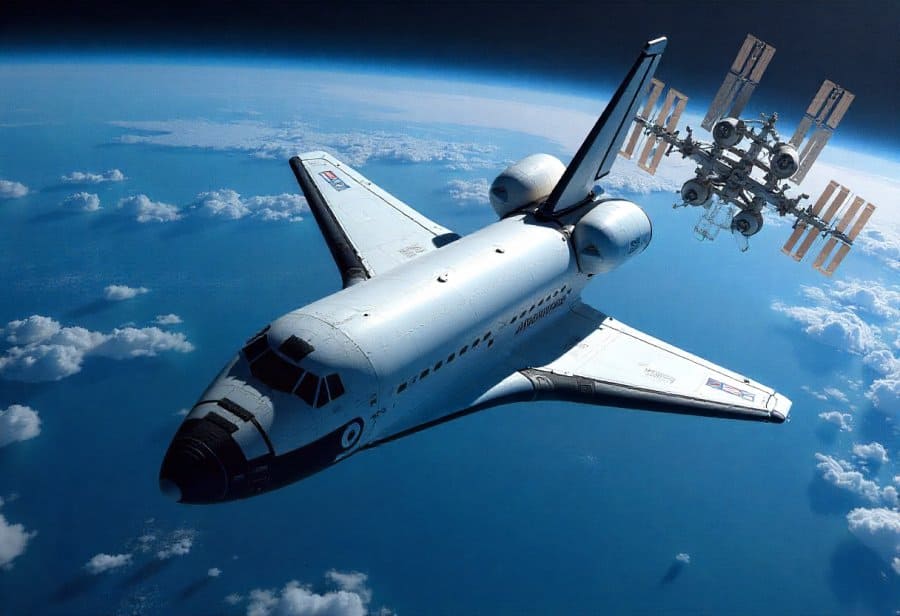
The End of an Era: How the Shuttle Program Transformed Space Exploration and Its Aftermath
The retirement of NASA’s shuttle fleet marked a major turning point in space exploration. Without the iconic reusable spacecraft like Atlantis, the agency faced the challenge of reimagining how it would access and maintain low Earth orbit. This shift pushed NASA to forge stronger partnerships with commercial space companies such as SpaceX and Boeing, which began launching crewed missions using their own spacecraft. While this move spurred innovation and competition, it also created a temporary gap in human spaceflight capabilities, prompting NASA to rethink its long-term strategy for space access.
This transition significantly altered the logistics of space operations. The shuttle’s unique ability to carry large payloads, assemble the International Space Station, and perform complex docking maneuvers made it a cornerstone of NASA’s human spaceflight program. Its departure meant the station’s supply chain would rely increasingly on commercial resupply missions and international partners, emphasizing a shift toward a more collaborative and cost-effective approach. This change underscored the importance of global teamwork in continuing scientific progress beyond Earth.
Public and international reactions to the shuttle’s end were mixed. Many celebrated the shuttle’s technological achievements and safety improvements, but there was also a sense of nostalgia and concern about losing a symbol of American space leadership. The end of the shuttle era prompted reflection on the future of exploration, especially as NASA refocused on lunar and Martian ambitions. This period of transition highlighted the need for sustainable, innovative solutions to keep human exploration moving forward.
The shift also revealed the evolving landscape of space exploration. The shuttle’s role in building and servicing the ISS was critical, and its retirement accelerated efforts to develop new spacecraft capable of deep space missions. Relying more on commercial providers and international collaborations aimed to reduce costs and increase flexibility. This approach laid the groundwork for a new era where exploration would be driven by broader partnerships and technological advancements rather than solely national programs.
Ultimately, the end of NASA’s shuttle program was not just a conclusion but a catalyst for change. It challenged the agency to adapt, innovate, and embrace new models of collaboration. The lessons learned from the shuttle’s legacy continue to influence current and future space initiatives, ensuring that humanity’s reach into the cosmos remains bold and sustainable. The transition has set the stage for the next chapter of exploration, built on the resilience and ingenuity demonstrated during Atlantis’s storied career.
As NASA continues to evolve its approach to human spaceflight, understanding the impact of the shuttle program’s end remains crucial. The retirement of Atlantis marked the conclusion of an era that shaped many aspects of modern space exploration, leaving a lasting legacy within NASA’s shuttle program history. To learn more about this significant milestone, you can explore the legacy of Atlantis within NASA’s shuttle program history.
Lessons from Atlantis: Shaping the Future of Space Ventures with Resilience and Innovation
The career of Atlantis offers a wealth of lessons that continue to shape how we approach future space exploration. Its technological upgrades, from reinforced thermal tiles to advanced robotic systems, highlight the importance of ongoing innovation and a commitment to safety. Each improvement was driven by lessons learned from previous challenges, emphasizing that progress in spaceflight depends on continuous adaptation and meticulous attention to detail. This mindset of relentless refinement is essential as humanity sets its sights on distant destinations like Mars, where reliability and safety are paramount.
Atlantis’s role in constructing the International Space Station demonstrated the power of international cooperation. Its missions showed that shared expertise and common goals can overcome complex technical hurdles and achieve extraordinary results. Working alongside global partners, Atlantis helped assemble a laboratory in orbit that has transformed scientific research and international diplomacy. This collaborative model will remain vital for future missions, underscoring that space exploration is a collective effort that benefits everyone.
The tragedies of Challenger and Columbia serve as stark reminders of the inherent risks of human spaceflight. These setbacks prompted NASA to overhaul safety protocols, fostering a culture of resilience and rigorous risk management. The improvements made after these incidents have made subsequent missions safer and more reliable, proving that setbacks can drive progress when addressed honestly. Future exploration efforts will continue to build on these lessons, prioritizing astronaut safety without compromising innovation.
Flexibility and adaptability were at the core of Atlantis’s success. Its missions evolved from deploying satellites to servicing the Hubble Space Telescope and assembling the ISS. Each new challenge demanded innovative solutions and a willingness to learn. This agility allowed the shuttle to extend its operational life and achieve milestones that once seemed out of reach. As we develop next-generation spacecraft, embracing this same mindset of adaptability will be crucial for overcoming the unpredictable realities of space.
Looking ahead, these lessons remind us that exploration is as much about mindset as technology. Balancing innovation with safety, fostering international partnerships, and maintaining flexibility will be key to turning ambitious goals into reality. Atlantis’s legacy shows that perseverance, shared knowledge, and a focus on resilience are essential for pushing beyond our current horizons. By applying these lessons, humanity can confidently take the next big leap into the cosmos, building on the remarkable foundation laid by Atlantis’s extraordinary career.

Celebrating Atlantis’s Legacy: Inspiration and Reflection on Humanity’s Space Exploration Journey
The final flight of Atlantis marked a defining moment in the story of human space exploration. It was more than just the end of a spacecraft’s service; it embodied decades of technological innovation, international cooperation, and scientific achievement. Watching Atlantis lift off for the last time served as a powerful reminder of what humanity can accomplish through perseverance and ingenuity, leaving a legacy that continues to inspire future explorers.
Throughout its career, Atlantis demonstrated the transformative potential of reusable spacecraft. Its technological upgrades, from reinforced thermal protection tiles to sophisticated robotic systems, set new standards for safety and efficiency. Each mission built upon the last, showcasing a relentless drive to improve and adapt—an essential trait as we push toward more distant destinations like Mars.
The shuttle’s pivotal role in constructing and servicing the International Space Station underscored the importance of global teamwork. Atlantis helped assemble this orbital laboratory, proving that shared goals and international collaboration can overcome complex technical hurdles. Its contributions fostered partnerships that remain vital, illustrating that space exploration is a collective effort that benefits all of humanity.
The end of the shuttle program was a moment of transition, not just closure. It shifted the focus toward new models of exploration—relying more on commercial partners and international alliances. While this change posed challenges, it also opened doors to innovative approaches that promise a more sustainable and flexible future for human spaceflight.
The lessons learned from Atlantis’s career continue to resonate today. Its resilience in overcoming setbacks, its technological advancements, and its role in fostering cooperation highlight the importance of continuous learning and adaptation. These qualities are crucial as we prepare for the next frontier, whether venturing deeper into space or establishing permanent human presence beyond Earth.
Atlantis’s story reminds us that exploration is an ongoing journey, driven by curiosity and collective effort. Its legacy is not only in the missions it completed but also in the spirit it embodies—a relentless pursuit of progress, pushing boundaries, and dreaming bigger.
As we look ahead, the achievements of Atlantis serve as a foundation for future endeavors. They inspire confidence that with innovation, teamwork, and resilience, humanity can overcome the toughest challenges and reach new horizons. Atlantis’s final flight stands as a testament to what is possible when we dare to explore beyond the known.
In the end, Atlantis’s legacy endures as a symbol of human resilience and the enduring quest to understand our universe. Its final mission was both an ending and a beginning—a reminder that every conclusion offers a chance for new exploration. Building on this foundation, future generations will continue to reach further, inspired by the extraordinary journey of Atlantis.