In an era where seamless, reliable communication defines success, Grandstream emerges as a game-changer, transforming how businesses connect and grow. Their innovative telephony solutions—designed for simplicity, scalability, and security—empower organizations to customize their networks effortlessly. But can these advanced devices truly keep pace with rapid expansion and evolving technology? The answer lies in Grandstream’s robust IP phones and centralized management tools that streamline deployment across multiple locations, ensuring high-quality, secure calls even during peak hours. With features like cloud provisioning, AI-driven call routing, and enterprise-grade security, these solutions promise not just enhanced efficiency but a future-ready infrastructure. Yet, the challenge remains: how do businesses balance sophisticated features with ease of use and security? Grandstream’s offerings provide a compelling answer—an adaptable, intelligent backbone for modern communication, poised to elevate operations now and into the future.
Revolutionize Your Business Communication with FiberConX’s Advanced VoIP Solutions in Canada
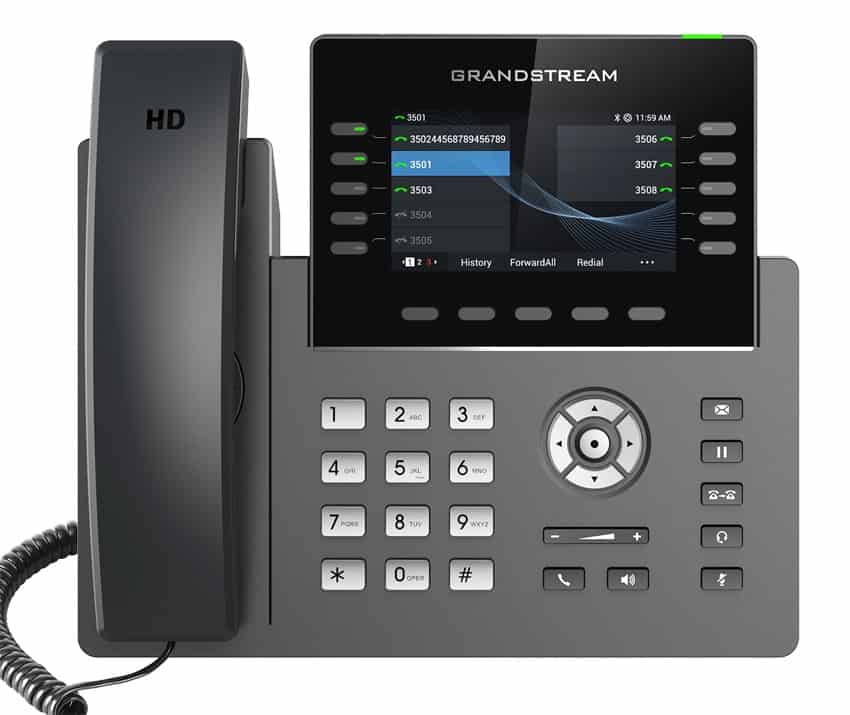
Experience seamless and feature-rich IP business phone services with FiberConX Communications, a leading provider in Canada. Our solutions include voicemail, IVR, Ring Groups, and voicemail-to-mail, ensuring your team stays connected and efficient. Upgrade your office phones with our reliable devices like the Grandstream GXP2170, Grandstream GRP2615, GRP2614, and GRP2634, designed to enhance your communication experience. Whether you need a robust system for small or large teams, FiberConX has tailored solutions to meet your needs. Contact us today at 1.800.961.6856 or [email protected] to learn more about our VoIP offerings and transform your business communication infrastructure.
Transform Communication with Customizable Business Solutions
In today’s fast-paced business world, clear and reliable communication isn’t just a convenience—it’s a necessity. Companies need systems that can be tailored to their unique operations, whether that’s managing remote teams, expanding to new locations, or handling a high volume of calls. Customizable telephony solutions offer the flexibility and scalability that modern organizations demand, allowing them to adapt quickly without overhauling their entire infrastructure.
Devices like Grandstream IP phones are at the forefront of this shift. These solutions are designed not just to facilitate calls but to integrate seamlessly into broader communication ecosystems, supporting features like cloud management and mass deployment. This makes setup simpler, maintenance easier, and scaling more straightforward—helping businesses stay agile as they grow. The ability to customize and manage these devices efficiently translates into smoother daily operations and improved overall productivity.
Understanding the importance of tailored communication begins with recognizing how these solutions can transform workflows. Off-the-shelf systems often fall short when organizations need specific call routing, integrations with customer systems, or remote access. Custom telephony allows businesses to craft a system that aligns perfectly with their operational needs, ensuring that communication remains seamless, reliable, and efficient regardless of location or size.
Scalability is another key benefit. As organizations expand, their communication needs evolve—more lines, additional features, new locations. Custom solutions are built to grow with them, often without significant disruptions or costly upgrades. This adaptability ensures that teams stay connected and productive during periods of rapid change, supporting both current demands and future growth.
Emerging technologies like cloud-based management and AI-driven features further enhance these systems. Cloud platforms enable quick deployment and easy updates across multiple sites, reducing complexity and operational overhead. Meanwhile, intelligent call routing and voice assistants create more natural interactions, elevating the customer experience and internal workflows. These innovations help organizations build communication environments that are not just functional but also adaptive and intuitive.
Choosing the right telephony system also involves addressing network security and device management. As businesses move toward cloud solutions and mobile access, safeguarding conversations and data becomes critical. Proper network configuration, encryption, and centralized management platforms like Grandstream’s GDMS ensure security and operational reliability. This focus on protection and ease of management allows organizations to confidently upgrade their communication systems without exposing themselves to unnecessary risks, supporting a smarter, more connected future.

Building Blocks of Flexible Telephony Technology
At its core, customized telephony systems are built on a few foundational principles that ensure they remain flexible, scalable, and user-friendly. One of the key technologies powering these systems is Voice over Internet Protocol (VoIP). Instead of relying on traditional landlines, VoIP converts voice signals into digital data, transmitting calls over the internet. This shift not only cuts costs but also opens up a world of deployment options—anywhere with a reliable internet connection, your communication system can be easily set up or expanded.
Scalability stands out as a major advantage of modern telephony solutions. As businesses grow, their need for additional lines, features, and users naturally increases. Customized systems are designed to handle this growth smoothly. Whether adding new users, integrating advanced features, or expanding to multiple locations, these solutions adapt without requiring a complete overhaul or causing significant downtime. This agility helps organizations stay responsive and maintain high levels of productivity during periods of change.
Flexibility is equally critical. Today’s telephony solutions are built to operate across diverse environments and to integrate seamlessly with other communication tools. For example, a company might combine IP phones with video conferencing or instant messaging platforms, creating a unified system that simplifies daily workflows. This integration enables more natural, efficient interactions for both employees and customers, helping to streamline operations and enhance user experience.
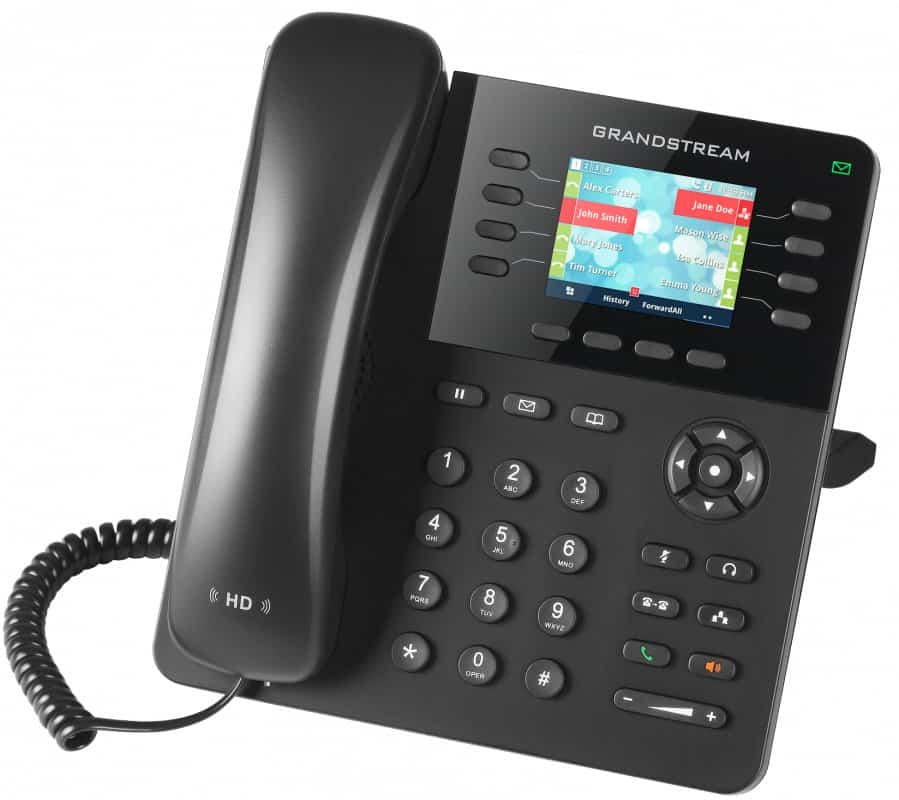
Devices like Grandstream’s IP phones are designed with simplicity and usability in mind. Featuring intuitive interfaces, clear displays, and straightforward controls, they are easy to adopt across teams. This ease of use reduces the learning curve, allowing new users to get started quickly and encouraging widespread adoption. When devices are user-friendly, employees spend less time troubleshooting and more time focusing on their core tasks, boosting overall efficiency.
Robust network infrastructure underpins the reliability of these systems. High-quality voice calls depend on a stable internet connection and proper network configuration. Quality of Service (QoS) protocols play a vital role here, prioritizing voice traffic over other data to prevent lag and disruptions during calls. Ensuring this level of network management is essential for maintaining clear, professional communication, especially during peak periods when bandwidth demands are high.
Security remains a top priority in all telephony systems. As organizations increasingly adopt cloud-managed solutions and remote access, protecting conversations and data from unauthorized access becomes crucial. Encryption, access controls, and other security features embedded in devices like Grandstream’s IP phones help safeguard sensitive information. These measures not only ensure compliance but also build trust with clients and partners, allowing businesses to upgrade their communication infrastructure confidently.
Centralized management tools like Grandstream’s GDMS platform tie all these elements together. Instead of configuring each device individually, administrators can remotely provision, monitor, and update hundreds or even thousands of endpoints from a single dashboard. This streamlined approach reduces manual effort, minimizes errors, and simplifies scaling or maintenance efforts. It makes large deployments more manageable and ensures that the entire system remains up-to-date, secure, and reliable over time.
Adapting to the Future of Enterprise Communication
The way businesses communicate today has undergone a dramatic transformation, driven by the rapid pace of technological change and the increasing complexity of the modern workplace. Gone are the days when a simple phone line sufficed; today’s organizations require tools that support multi-channel interactions, including voice, video, instant messaging, and collaboration platforms. This shift reflects a broader demand for seamless, real-time communication that keeps teams connected regardless of their physical location or device. Companies need solutions that are not only reliable but also flexible enough to adapt to their evolving operational needs.
As organizations grow and diversify, their communication requirements become more specialized. Off-the-shelf systems often fall short of meeting these unique demands, especially for multi-site or remote teams. Customizable telephony solutions step in to fill this gap, enabling businesses to tailor their systems with features like advanced call routing, CRM integration, and remote management. This level of personalization ensures that communication flows smoothly and efficiently, supporting workflows that are increasingly complex and dynamic. It’s about creating a system that fits like a glove—one that enhances productivity rather than complicates it.
Technology innovations such as cloud-based management and artificial intelligence are reshaping how enterprises approach communication. Cloud platforms allow for rapid deployment, effortless scaling, and simplified updates across multiple locations, reducing operational overhead. Meanwhile, AI-driven features like intelligent call routing and voice assistants create more natural, responsive interactions for both customers and employees. These tools empower organizations to craft communication environments that are not just functional, but also intuitive and adaptable, promoting a more engaging and efficient user experience.
However, integrating these advanced tools introduces new challenges, primarily around security and network management. As companies adopt cloud solutions and mobile access, protecting sensitive conversations and data becomes paramount. Ensuring consistent quality of service (QoS) and maintaining robust network infrastructure are essential to prevent disruptions and preserve professionalism during high-volume calls. Carefully planning security protocols and network configurations helps organizations safeguard their communication channels, building trust and compliance while supporting scalable growth.
Looking ahead, the landscape of enterprise communication will continue to evolve with emerging technologies and increasing expectations for personalization. Interoperability between devices, automation, and data analytics will enable smarter workflows and deeper insights into communication patterns. Companies that embrace these trends early will be better positioned to develop responsive, tailored systems that enhance collaboration and customer engagement. This ongoing transformation isn’t just about upgrading hardware; it’s about building an adaptive, future-ready infrastructure that supports innovation and growth in an interconnected world.
Grandstream’s Innovative Edge in Networking and Communication
Grandstream plays a crucial role in helping businesses transition smoothly to smarter, more efficient communication systems. Their range of devices and solutions are designed for seamless integration into existing networks, making upgrades straightforward and minimizing operational disruptions. From scalable IP phones to comprehensive management platforms, Grandstream provides tools that simplify deployment, configuration, and ongoing maintenance—allowing organizations to focus on their core activities while enhancing connectivity across the board.
One of their standout features is the emphasis on mass deployment and centralized management. The GRP series IP phones, for example, are built specifically for large-scale rollouts, supporting quick, uniform deployment across multiple locations. With the Grandstream Device Management System (GDMS), administrators can remotely configure, monitor, and update thousands of endpoints from a single interface. This streamlined control reduces manual effort, eliminates errors, and ensures consistency, making scaling operations faster and more reliable.
Network performance and reliability are vital for effective communication. Grandstream devices come equipped with advanced features like Quality of Service (QoS) protocols and dual Ethernet ports that prioritize voice traffic and maintain stable connections. These capabilities help prevent lag and call disruptions, even during peak usage. For high-volume call environments or customer-facing interactions, this reliability translates into clearer conversations and improved service quality, directly impacting customer satisfaction and operational professionalism.
Security is integrated into every aspect of Grandstream’s solutions. Their devices incorporate encryption, secure access controls, and firmware updates to protect conversations and sensitive data. As organizations increasingly adopt cloud-managed telephony and remote work models, safeguarding communications is more critical than ever. Grandstream’s security features help businesses maintain compliance, build trust with clients, and confidently move towards flexible, cloud-based systems without exposing themselves to unnecessary risks.
Deploying Grandstream’s solutions effectively means understanding your network environment and leveraging their management tools for optimal performance. Proper network configuration, bandwidth management, and QoS settings ensure high-quality voice interactions even during busy periods. The user-friendly interfaces of their devices, combined with remote management capabilities, empower IT teams to proactively monitor and maintain their systems. This proactive approach results in a resilient, scalable, and secure communication infrastructure that supports ongoing growth and innovation. With Grandstream, upgrading your network isn’t just a hardware change—it’s a strategic move toward smarter, more reliable connectivity.