Learning to ride a bike is more than a childhood milestone—it’s a profound rite of passage that symbolizes courage, independence, and resilience. Families from all backgrounds share in the nerves, falls, and triumphant moments that forge strong bonds and teach vital lessons about perseverance. As children wobble through their first rides, they confront fears and discover that setbacks are steps toward growth. Modern practices incorporate innovative tools like balance bikes, safety gear, and engaging games, transforming what once was daunting into an exciting adventure. With evolving infrastructure and inclusive technologies, the future promises even safer, more accessible ways for children everywhere to embrace cycling’s joys. But as independence beckons, so do questions: Does the thrill of mastering balance outweigh the fears of falling? Could every wobble be a stepping stone to lifelong resilience? This journey of learning, trust, and discovery challenges us to reconsider the true value of falling—are we merely teaching kids to ride, or shaping resilient, confident individuals ready to face life’s bumps?
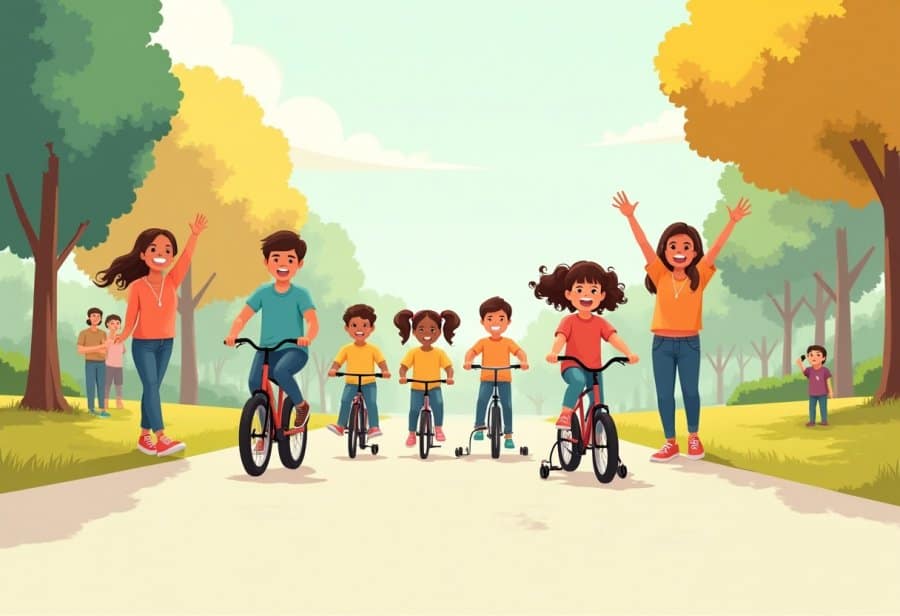
Celebrating the Milestone: Learning to Ride and Its Emotional Significance
Learning to ride a bike is more than just a childhood milestone; it’s a moment filled with emotion and significance for kids and families alike. It marks a first step toward independence, a small act that opens up a world of exploration and self-reliance. For children, the wobble of their first bike ride can feel like a leap into a new realm of confidence, while for parents and siblings, it becomes a shared adventure rooted in patience, encouragement, and pride.
This rite of passage often stirs a mix of nervousness and excitement. Kids may feel proud when they manage their first shaky pedals, yet fears of falling can hold them back. That natural tension between hesitation and courage makes the moment memorable and meaningful. Families play a vital role here, serving as cheerleaders and safety nets, transforming a daunting challenge into an opportunity for bonding.
Learning to ride isn’t just about mastering balance and coordination; it’s about facing fears and pushing limits. When children persevere through falls and wobbles, they learn resilience—the understanding that setbacks are part of growth. Each attempt to get back on the bike reinforces their confidence and teaches that falling isn’t the end, but a stepping stone to success.
These early experiences don’t just shape motor skills—they cultivate emotional strength. The support from loved ones creates a sense of trust and safety that encourages kids to try again after every stumble. As they gradually improve, their sense of independence blossoms, and the joy of riding becomes a symbol of their ability to overcome challenges.
For families, these moments become treasured memories—stories of patience, effort, and triumph that last a lifetime. Whether it’s holding the handlebars steady or celebrating that first solo ride, each step strengthens bonds and teaches children they are capable and supported. Learning to ride, therefore, becomes a powerful lesson in perseverance, trust, and resilience, extending well beyond the bicycle itself.
In the end, teaching a child to ride a bike is about more than the physical act. It’s about nurturing a mindset—one that embraces growth through challenge, values persistence, and celebrates progress. These lessons help shape resilient individuals ready to face whatever obstacles lie ahead. Learning to ride becomes a shared journey of discovery, trust, and joy that leaves a lasting imprint on both children and their families.
A Global Journey: The Cultural Roots and Significance of Learning to Ride
Learning to ride a bike isn’t just a personal milestone; it’s a story that spans over a century and crosses many cultures. When bicycles first appeared in the 19th century, they quickly became symbols of freedom, progress, and modernity. In Western societies, a child’s first bike ride often marks a key step toward independence—an initiation into adventure and self-reliance. But around the world, the meaning of learning to ride varies, often woven into community life, daily routines, and social identities.
Early bicycles evolved from simple machines like the velocipede, which lacked pedals and required riders to push off the ground with their feet. The invention of pedals in the 1860s gave rise to models like the penny-farthing—exciting but unstable. The development of the safety bicycle in the late 19th century, with its chain drive and lower center of gravity, made cycling safer and more accessible for everyday use. This innovation sparked a global cycling boom, turning bikes into tools for mobility, self-expression, and social connection.
For children, learning to ride once meant a neighborhood affair—done in open fields or quiet streets. As cities grew, dedicated bike paths and playgrounds made the process safer and more organized. Across different cultures, these moments often became rites of passage, shared among peers and family, reinforcing ideas of trust, resilience, and independence. In some societies, riding a bike is a symbol of maturity, a step into social trust and personal growth.
Cultural attitudes toward learning to ride have also shaped different approaches. In Scandinavian countries, safety and eco-consciousness influence methods, emphasizing protective gear and environmentally friendly practices. In many Asian communities, children learn alongside family members or neighbors, embedding cycling into daily routines and social bonds. These traditions turn the act of riding into a collective celebration of growth, trust, and resilience.
Throughout history, technological innovations like the safety bicycle and organized cycling events helped establish best practices—focused on safety, confidence, and gradual skill development. These developments laid the foundation for modern methods, which prioritize fun, safety, and personal pacing. As bike design and infrastructure continue to evolve, so does the cultural significance of learning to ride, now more inclusive and accessible than ever.
Today, the cultural importance of riding persists. It remains a universal symbol of growth, independence, and resilience—values that transcend borders and generations. Whether in bustling cities or quiet neighborhoods, learning to ride a bike continues to reflect a shared human experience: the thrill of discovery, the courage to try, and the joy of moving forward on your own two wheels.
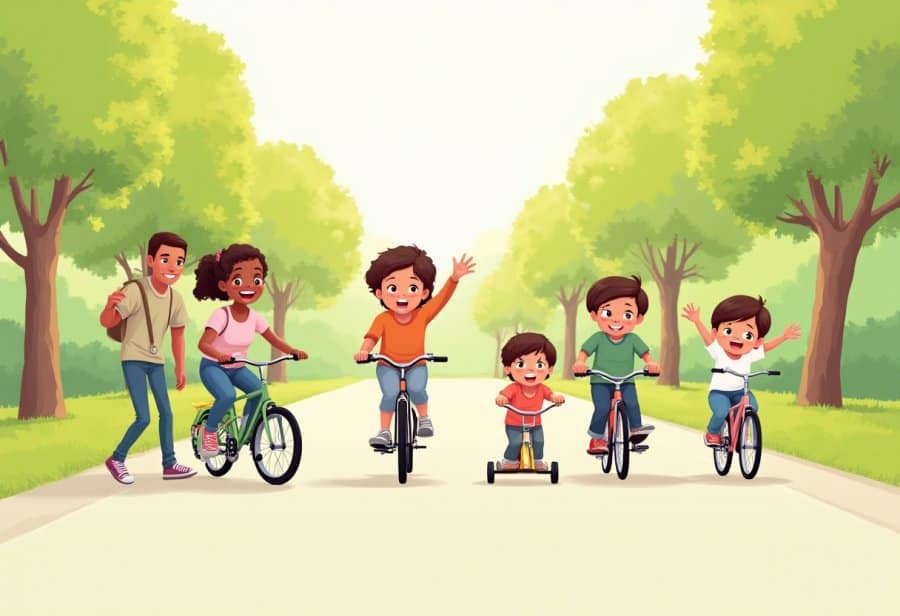
Modern Methods and Trends: Embracing Innovation in Teaching Kids to Ride
Modern methods for teaching children to ride a bike have come a long way, blending new technology with a better understanding of how kids learn best. Today’s balance bikes are a popular starting point because they help children develop their sense of balance and steering without the challenge of pedaling. Kids who begin on these bikes often find the transition to traditional pedals smoother, gaining confidence early and reducing frustration along the way.
Training wheels are still widely used, offering stability as children get comfortable with pedaling and steering. Many parents switch between balance bikes and training wheels, tailoring the approach to each child’s comfort level. This gradual process allows kids to build their skills at their own pace, making learning less intimidating and more enjoyable.
Communities now focus heavily on creating safe, traffic-free environments for riding practice. Parks, quiet streets, and dedicated bike paths give kids space to wobble, fall, and get back up without the dangers of busy roads. Organized beginner classes and supervised rides further support skill development, ensuring children learn proper techniques while feeling secure. These safer spaces encourage more frequent riding and help build confidence.
Safety gear has become a standard part of the learning process. Helmets, pads, and reflective clothing are now seen as essential rather than optional. Modern helmets offer improved impact protection and ventilation, making kids more willing to wear them consistently. When safety equipment fits well and looks appealing, children are more likely to use it, which helps reduce injuries and boosts their confidence.
Playful, game-based activities have replaced rigid drills in many programs. Kids are encouraged to ride through obstacle courses, chase timers, or complete simple challenges that make practice fun. Turning learning into a game keeps children engaged and motivated, transforming what could be a stressful experience into an exciting adventure. When children associate riding with fun, they develop a lifelong love for cycling.
Technology also plays a significant role in modern learning. Interactive coaching apps with real-time feedback help kids improve their skills at their own pace. Augmented reality games turn balancing and pedaling into stories or quests, making practice sessions feel like part of a larger adventure. These tools personalize the experience and keep kids excited about riding, making progress feel natural and rewarding.
Infrastructure developments have made a big difference in recent years. Cities are investing in expanded bike lanes, traffic-calmed zones, and protected pathways, creating safe spaces for children to practice riding confidently. These improvements not only promote regular riding but also foster independence and resilience, helping kids develop their skills in a safe environment.
Finally, inclusivity is gaining importance in the cycling world. Adaptive bikes and tailored training programs now ensure that children with physical or developmental challenges can learn to ride. These innovations promote the idea that cycling is accessible to everyone, reinforcing resilience and independence across all abilities. As awareness grows, more children can experience the joy of riding, building confidence and resilience that lasts a lifetime.
Practical Strategies: Turning Learning to Ride into a Confident, Joyful Experience
Teaching children to ride a bike successfully depends on patience, support, and tailoring your approach to their individual needs. Starting with a balance bike or removing pedals from a regular bike allows kids to focus on mastering balance and steering before tackling pedaling. Choosing a safe, open space like a park or quiet street provides a relaxed environment where they can practice without the pressure of traffic or crowds. This setting encourages confidence and helps make the learning process enjoyable rather than stressful.
Encouragement plays a crucial role in overcoming fears and maintaining motivation. Celebrate small milestones, such as balancing for a few seconds longer or pedaling on their own for the first time, to reinforce their progress. Use positive words and praise to build a child’s confidence, making them eager to try again after each wobble or fall. As their skills improve, gently introduce longer rides and turns, always ensuring they feel safe and supported. Allowing children to set the pace prevents frustration and fosters a positive attitude toward learning.
Supporting children physically during practice can make a big difference. Hold the bike steady at first by supporting the seat or handlebars, then gradually reduce assistance as they gain stability. Pay attention to signs of wobbling or hesitation, stepping in to help as needed, but always encourage independent riding when they’re ready. Recognize that every child learns differently—some may need more breaks, others thrive on playful challenges—so adapting your approach keeps the experience positive and helps them build resilience.
Addressing the fear of falling is vital, as many kids worry about hurting themselves. Reassure them that falling is a normal part of learning and that every fall is a step forward. Practice on soft surfaces like grass or padded areas to minimize injury risk and boost their confidence. Celebrate their efforts, emphasizing resilience over perfection, which helps transform fear into persistence. This mindset encourages children to view setbacks as part of growth, making them more willing to persevere through challenges.
Incorporating fun into practice turns learning into an adventure. Use games, obstacle courses, or timed challenges to keep kids engaged and motivated. Setting small, achievable goals—like riding to a specific tree or navigating around cones—helps children see their progress and stay excited. When riding feels like play rather than work, children develop a positive association with cycling, laying the foundation for a lifelong love of riding. Using modern tools like interactive apps or augmented reality games can further personalize and energize their learning journey.
Creating a safe environment is essential for effective learning. Many families opt for parks, school playgrounds, or quiet streets where children can wobble, fall, and get back up without the dangers of busy traffic. Community programs and supervised classes offer additional support, ensuring proper technique while fostering a sense of security. These spaces encourage frequent practice, helping children steadily develop their skills and independence. With patience, encouragement, and the right environment, teaching a child to ride becomes a positive, confidence-building adventure that sets the stage for resilience and trust that lasts a lifetime.
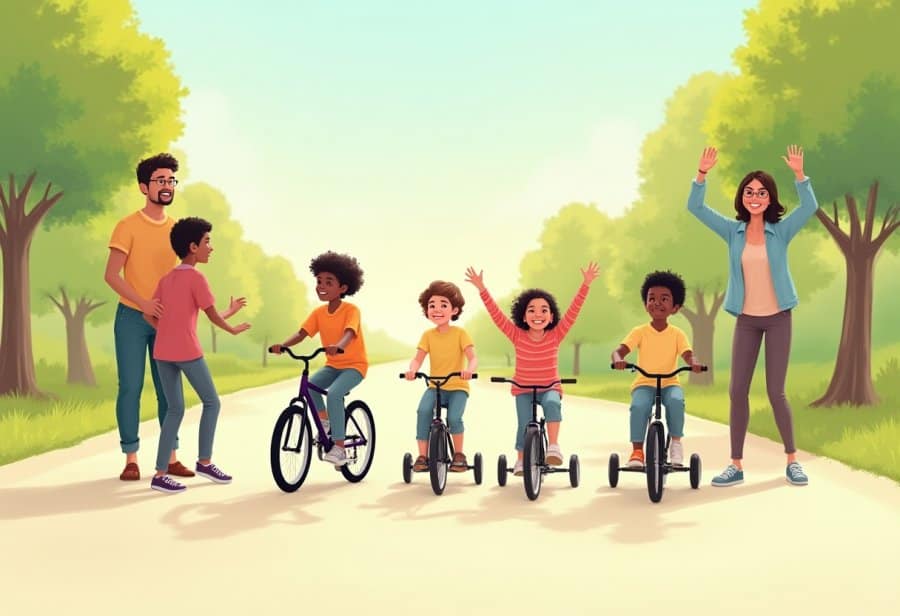
The Road Ahead: Future Trends and Innovations in Learning to Ride
The future of learning to ride a bike is becoming more dynamic and engaging, driven by technological innovations and evolving urban landscapes. Smart bikes equipped with sensors now offer real-time feedback on balance, speed, and braking, turning practice into an interactive experience that builds confidence faster. Augmented reality and gamified coaching apps transform riding into stories and adventures, motivating children to pedal further and conquer obstacles with excitement. These tools make skill development feel like play, fostering a lifelong love of cycling while reducing the intimidation often associated with learning.
Safety gear is also advancing, with lighter, impact-absorbing helmets and protective clothing that kids are more eager to wear. When safety equipment looks appealing and fits comfortably, children are more willing to embrace it, which helps create a safer learning environment. As safety becomes more integrated into the riding experience, parents feel more comfortable encouraging their children to explore urban streets and bike-friendly neighborhoods, broadening their horizons and independence.
Cities around the world are investing heavily in cycling infrastructure, creating dedicated bike lanes, traffic-calmed zones, and protected pathways. These developments make urban riding safer and more accessible, enabling children to build their skills in environments that feel secure and inviting. Such infrastructure not only promotes regular practice but also fosters resilience and independence, reinforcing cycling as a sustainable mode of transport and a symbol of self-reliance for the next generation.
Inclusivity is gaining momentum, with innovations like adaptive bikes and specialized training programs allowing children with physical or developmental challenges to learn and enjoy cycling. These advancements highlight the importance of making riding accessible for everyone, fostering confidence and resilience across diverse communities. As awareness grows, the act of learning to ride becomes a universal experience—one that celebrates growth, trust, and perseverance regardless of background or ability.
Looking ahead, the integration of technology, infrastructure, and inclusive practices promises a future where learning to ride is safer, more fun, and accessible to all children. With each new innovation, the journey from wobbling on two wheels to confident independence becomes smoother and more inspiring. As we embrace these trends, cycling will continue to serve as a powerful tool for building resilience, trust, and a sense of adventure—values that will shape resilient, confident riders for generations to come.