Delve into the timeless debate of heroism through the contrasting lenses of Odysseus and Batman—two icons separated by millennia yet united by core virtues. How do their stories reflect the societies that forged them? Odysseus embodies ancient Greek ideals of cunning, loyalty, and perseverance, shaped by a world dependent on divine favor and social harmony. Batman, emerging from modern chaos, emphasizes resilience and moral ambiguity in a city plagued by corruption and decay. This analysis reveals that despite their differences, both heroes highlight universal traits: strategy, resilience, and human ambition. Their tales serve as mirrors to societal fears—divine wrath and divine order in Greece, urban chaos and moral gray areas today. This evolution underscores how hero archetypes adapt to cultural shifts while retaining fundamental qualities. What do these enduring characters tell us about our collective values, hopes, and fears? Ultimately, heroism remains rooted in human ingenuity and resilience—timeless constants amid societal change.

Unveiling the Universal Spirit of Heroism: Odysseus and Batman
Heroism isn’t confined to one culture or era; it’s a universal theme that appears in stories from ancient myths to modern comics. Across time, heroes have reflected what societies value, fear, and aspire to. Whether it’s a Greek king using cleverness to overcome divine wrath or a vigilante fighting urban crime, these figures serve as mirrors of their world’s deepest hopes and anxieties. They embody traits that resonate beyond their specific contexts, highlighting qualities like resilience, intelligence, and moral strength.
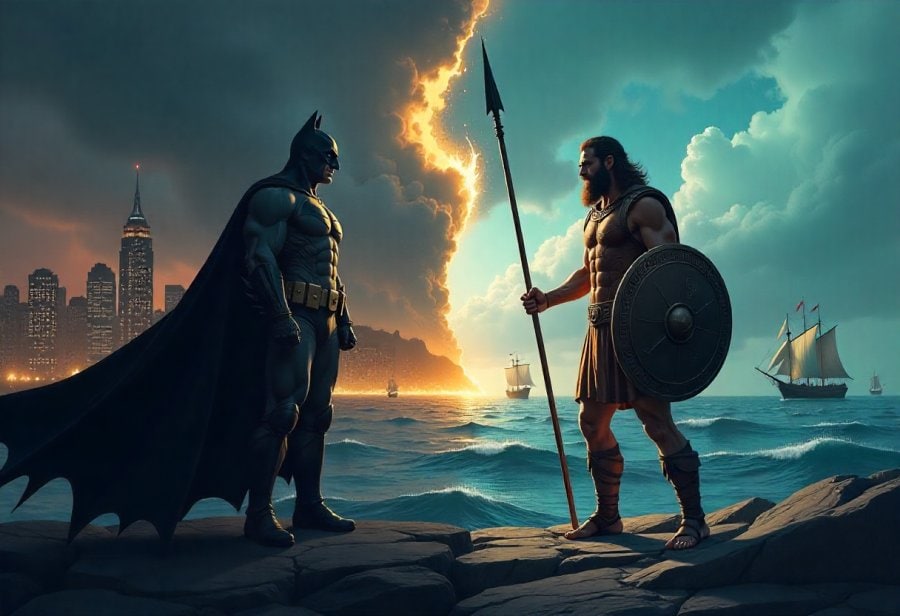
Odysseus and Batman stand out as iconic examples of hero archetypes, separated by thousands of years but connected through their enduring qualities. Odysseus, the clever king from Homer’s epics, represents the ancient Greek ideal of strategic thinking and perseverance. His stories emphasize the importance of wit and loyalty, traits that helped him navigate divine challenges and mortal enemies alike. Meanwhile, Batman, born from the gritty streets of Gotham, reflects modern fears—crime, corruption, and moral ambiguity. His fight for justice showcases resilience and moral complexity that mirror today’s societal struggles.
These characters also reveal how different cultures shape their heroes’ traits. Odysseus’s cunning and endurance mirror a society that prioritized divine favor and social harmony. His stories reinforce the importance of loyalty to gods and kin, emphasizing honor and perseverance as keys to survival. Conversely, Batman’s vigilante justice embodies a world preoccupied with chaos and moral gray areas. His resilience and tactical mind respond to fears of societal breakdown, illustrating a desire for order and moral clarity amid urban decay.
As we explore these archetypes, it’s clear how their stories reflect the societies that created them. Odysseus’s adventures echo a world where divine approval and loyalty were central to success. Batman’s battles reveal a society deeply concerned with chaos and moral ambiguity. Both heroes show that, despite their differences, core qualities like strategy, resilience, and human ambition are universal. These traits continue to inspire because they speak to an enduring human drive: facing challenges with intelligence and perseverance.
Cultural Roots of Hero Traits: From Divine Favor to Urban Fears
The societal values and fears that influenced Odysseus and Batman reveal a lot about the worlds they come from. For Odysseus, ancient Greece prized traits like cunning, loyalty, and perseverance. These qualities weren’t just about individual heroism; they reflected a culture deeply connected to divine favor and social harmony. Greek stories often depicted heroes using wit and strategy to navigate divine wrath, monsters, and political intrigue. Loyalty to gods, family, and community was considered essential, and enduring these challenges demonstrated a hero’s worth. These tales reinforced societal ideals of honor and divine approval, especially in uncertain times.
In contrast, Batman’s origins are rooted in a modern urban setting filled with chaos, crime, and moral ambiguity. Society’s fears—such as corruption, lawlessness, and moral decay—are embedded in his vigilante role. Unlike Odysseus, whose cleverness was used to outsmart divine and mortal enemies, Batman fights a different kind of threat: societal breakdown and personal trauma. His intelligence and detective skills respond to fears about the city’s moral fabric unraveling. Resilience is key for Batman, helping him endure personal loss and moral dilemmas while striving to restore order amid urban decay.
These differences aren’t accidental. Odysseus’s traits mirror a culture that valued divine favor and loyalty as keys to survival. His cleverness and endurance reflect a society that prioritized wisdom and fidelity, emphasizing the importance of divine approval and social cohesion. Batman, however, embodies modern anxieties about chaos and moral decay. His character underscores a society that fears disorder and seeks justice, often through morally complex means, to maintain stability. His stories serve as a mirror, revealing what each culture considers vital for resilience and social order.
The morality portrayed in their stories also highlights these societal concerns. Odysseus’s decisions, though sometimes morally ambiguous—deceiving enemies or bending rules—are driven by loyalty and honor, aligning with Greek ideals. Batman’s morality is more fluid; he operates in a world where the line between right and wrong blurs. His methods—secrecy, violence, sometimes illegal acts—are justified by his higher goal of protecting the innocent and fighting corruption. Both heroes illustrate how morality in their narratives hinges on principles rooted in loyalty, justice, and resilience.
Moreover, these contrasting foundations reflect broader cultural shifts. Ancient hero stories centered on divine influence and social stability, emphasizing divine approval and loyalty as essential virtues. Modern narratives focus on resilience and moral complexity, illustrating a society grappling with chaos and ethical ambiguity. This evolution shows how hero archetypes adapt to societal fears—divine wrath and fate in ancient Greece, urban disorder and moral decay today—yet core traits like strategy and perseverance remain constant.
Ultimately, examining these differences and similarities reveals that heroism is shaped by the fears and hopes of each society. While the specific traits may shift with cultural tides, the underlying qualities—strategy, resilience, and human ambition—persist. Both Odysseus and Batman symbolize the universal human drive to confront adversity with intelligence and perseverance. Their stories remind us that hero archetypes evolve, yet at their core, they continue to reflect our collective struggle to overcome challenges and uphold our values.

Inner Strength Revealed: Strategy, Resilience, and Human Drive
Odysseus and Batman exemplify qualities that go beyond their cultural settings—strategy and resilience stand at the core of their heroism. Their stories reveal that mental toughness and cleverness are essential tools for overcoming obstacles, no matter the era or environment. Odysseus’s success often hinges on his ability to craft clever plans, whether it’s devising the Trojan Horse or outsmarting mythical monsters. His strategic thinking helps him navigate divine wrath and mortal enemies, demonstrating that intelligence can be just as powerful as physical strength.
Similarly, Batman relies heavily on detective skills, technological innovation, and tactical planning. In Gotham’s dark streets, he outwits foes who are often stronger and better equipped. His resilience is evident in how he endures personal loss, moral dilemmas, and constant danger—all while staying committed to his mission. His ability to adapt and persist highlights the importance of mental toughness in modern heroism.
Resilience isn’t just about bouncing back from setbacks; it’s about enduring ongoing challenges with focus and determination. Odysseus’s unwavering desire to return home keeps him moving forward, even after divine and mortal setbacks. Batman’s persistence through personal trauma and moral ambiguity allows him to keep fighting for justice, despite overwhelming odds. These stories remind us that resilience is a key ingredient in heroism—a trait that sustains us through our darkest moments.
Both heroes demonstrate that strategy and resilience are interconnected. Odysseus’s cleverness enables him to outthink enemies and divine forces, while his perseverance ensures he keeps fighting despite setbacks. Batman’s tactical mind and moral resilience help him confront Gotham’s chaos and corruption. These traits reveal a fundamental truth: human ambition and the drive to succeed rely on mental strength and adaptability.
Their stories teach that heroism isn’t just about physical might or bravado; it’s about the capacity to think ahead, stay focused, and endure hardship. Strategy and resilience are universal qualities that enable both Odysseus and Batman to face their worlds’ greatest threats. These traits are deeply rooted in human nature, echoing across cultures and eras as essential elements of the heroic spirit. By embodying these qualities, both heroes remind us that overcoming adversity requires more than strength — it demands wit, perseverance, and an unwavering human will.
Understanding the parallels between these legendary figures can deepen our appreciation for how heroism is shaped by cultural values and personal resilience. For those interested in exploring the broader implications of these traits, a comparative analysis of odysseus and batman’s heroism traits offers valuable insights into their enduring appeal.
From Myths to Modern Media: The Evolving Face of Hero Archetypes
The idea of heroism has evolved significantly over time, mirroring the shifting values and concerns of different societies. In ancient times, heroes like Odysseus were celebrated for traits such as cunning, loyalty, and perseverance—qualities deeply tied to divine favor and social harmony. Their stories centered on clever strategies used to outwit enemies, monsters, or divine obstacles, reinforcing ideals of honor and divine approval. These tales served as moral guides, illustrating that success depended on wisdom, fidelity, and enduring adversity to uphold societal stability.
As societies changed, so did their hero archetypes. Ancient Greek stories emphasized divine intervention and mortal resilience, highlighting loyalty and cleverness as vital virtues. Moving into the modern era, heroes became more complex and morally ambiguous, like Batman. These figures reflect contemporary fears—urban crime, societal corruption—and embody resilience and moral flexibility. Their stories focus less on divine approval and more on internal struggle, resilience, and fighting chaos, resonating with modern anxieties and hopes for justice.
The media that narrate these stories have also transformed. Oral traditions and epic poetry once shaped hero narratives, emphasizing grand deeds and moral lessons. Later, written epics like Homer’s works formalized these traits, making heroes symbols of cultural ideals. Today, comics, movies, and TV shows add psychological depth, exploring heroes’ inner conflicts and moral dilemmas. Despite differences in storytelling methods, core qualities like strategy, resilience, and human ambition remain constant, illustrating that certain traits are timeless because they speak to fundamental aspects of human nature.
Ancient heroes often represented societal ideals such as loyalty to gods and community, with wisdom and endurance as essential tools. Their stories reinforced divine favor and social stability, emphasizing that heroism required divine approval and social cohesion. Modern heroes, by contrast, emphasize resilience, moral ambiguity, and individual justice. Their narratives focus on navigating complex ethical landscapes and fighting chaos, suggesting that heroism now involves moral flexibility and personal effort rather than strict obedience to divine authority.
This shift from divine-centered heroism to morally complex figures reflects broader cultural transformations. Ancient tales celebrated divine influence and social order, reinforcing the idea that heroism was rooted in divine approval. Modern stories, however, highlight resilience and moral ambiguity, illustrating a society grappling with chaos and ethical gray areas. Despite these differences, the core traits—strategy, resilience, and ambition—persist as universal qualities, demonstrating that hero archetypes adapt to cultural needs while remaining anchored in human nature.
As cultures evolve, so do their hero stories. Today’s heroes continue to mirror societal fears and aspirations, transforming to meet new challenges. From divine myths to gritty urban sagas, the essential qualities of strategy and perseverance remain central. These archetypes serve not only as entertainment but as cultural reflections—embodying what societies value and fear most. Their ongoing evolution underscores that, beneath surface differences, the fundamental human drive to confront adversity with wit and resilience endures across ages.
Lessons from Contrasts and Commonalities: What Heroes Tell Us About Society
The differences and similarities between Odysseus and Batman reveal a great deal about the societies that shaped them. Odysseus’s traits—cunning, loyalty, and perseverance—mirror an ancient Greek world where divine favor and social harmony were paramount. His stories emphasize cleverness as a tool for survival and highlight the importance of loyalty to gods and kin, reinforcing the idea that success depended on divine approval and maintaining social bonds. In contrast, Batman’s vigilante justice is rooted in a modern urban environment riddled with chaos, crime, and moral ambiguity. Society’s fears—corruption, lawlessness, and moral decay—are woven into his relentless pursuit of order and justice through morally complex means.
Despite these differences, both heroes embody core human qualities that transcend their cultural contexts. Strategy and resilience are at the heart of their heroism. Odysseus’s ability to craft clever plans and his unwavering perseverance show that mental toughness can overcome divine and mortal obstacles alike. Batman’s detective skills, technological ingenuity, and moral resilience highlight the importance of adaptability and inner strength in confronting today’s layered threats. These traits reveal a universal truth: true heroism relies on mental agility, persistent effort, and the will to succeed against all odds.
Examining their stories also underscores how societal fears and hopes shape hero archetypes. Odysseus’s adventures echo a culture concerned with divine approval and social order, emphasizing wisdom and loyalty. Conversely, Batman’s tales reflect modern anxieties about chaos and moral decay, illustrating a society that values resilience, moral flexibility, and the fight to restore stability. Their narratives serve as mirrors—each revealing what their respective worlds most feared and most aspired to. Their enduring appeal lies in their ability to embody the qualities society needs most in times of upheaval.
The evolution of these archetypes from ancient myths to contemporary comics demonstrates how cultural priorities shift while certain traits remain constant. Ancient heroes like Odysseus symbolize loyalty, cunning, and endurance—traits essential in a world governed by divine influence. Modern heroes such as Batman embody resilience and moral complexity, reflecting a society grappling with chaos and ethical ambiguity. Yet, both continue to emphasize strategy, perseverance, and human ambition as fundamental to heroism, regardless of the era.
This ongoing transformation highlights that hero archetypes are not static but adapt to the fears and aspirations of each generation. While the external trappings may change—from divine intervention to urban chaos—the core qualities that define heroism endure. These stories remind us that at their root, heroes are reflections of human resilience and ingenuity, driven by a universal desire to confront adversity and uphold values that matter most.
In the end, the contrast and connection between Odysseus and Batman show that heroism is deeply rooted in human nature. Societies may evolve, but the drive to face challenges with wit, resilience, and ambition remains constant. Their stories teach us that heroism isn’t just about extraordinary traits but about the capacity to adapt, persist, and confront the struggles of each era. They serve as timeless symbols—reminders that our greatest strength lies in human ingenuity and perseverance, no matter the society we live in.
These archetypes continue to resonate because they speak to universal fears and hopes. Whether rooted in divine favor or moral gray areas, the qualities that make a hero are consistent: strategy, resilience, and human ambition. Their stories encourage us to see heroism as an ongoing human endeavor—an ever-evolving reflection of our collective resilience and capacity to overcome. As we face new challenges, their enduring lessons remind us that the core of heroism is always about facing adversity with ingenuity and unwavering resolve.