Unlock the secret to worry-free driving by mastering the art of battery maintenance—discover how a simple check can prevent unexpected breakdowns and ensure your vehicle starts effortlessly every time. Have you ever wondered why your car hesitates or fails to start just when you need it most? This essential guide reveals that routine inspections—like cleaning corrosion, tightening connections, and measuring voltage—are straightforward yet powerful steps that can extend your battery’s lifespan. As weather conditions and driving habits wear down your battery, recognizing early warning signs becomes crucial. From slow cranking to dimmed lights, these clues warn of impending failure. Are you prepared to take control? With minimal effort, you can safeguard your vehicle’s reliability, avoid costly repairs, and keep your driving experience smooth and stress-free. Proper battery care isn’t just maintenance—it’s your first line of defense against unexpected roadside emergencies.

Maintain Your Car Battery for Worry-Free Journeys
Your car’s battery is its power source, playing a crucial role every time you turn the key or press the start button. Without a healthy, well-maintained battery, your vehicle simply won’t start, leaving you stranded at the worst possible moment. That’s why keeping an eye on your battery’s condition should be a regular part of your vehicle care routine. A few simple checks can make all the difference between worry-free driving and unexpected breakdowns.
Many drivers overlook the importance of routine battery maintenance, assuming it will take care of itself. However, batteries are vulnerable to wear and tear from everyday driving, especially in extreme weather conditions or during short trips. Cold temperatures can sap power and hinder starting, while hot weather speeds up internal chemical reactions that degrade battery life. Frequent short trips prevent the battery from fully recharging, accelerating its decline. Recognizing these factors highlights why proactive maintenance isn’t just a good idea—it’s essential for reliable vehicle operation.
When your battery is in good shape, you can enjoy peace of mind knowing your car will start effortlessly every time. No more worrying about whether your vehicle will turn over in the morning or during a late-night run. Regular checks help you catch small issues early—like corrosion or low fluid levels—before they escalate into costly repairs or roadside emergencies. Investing a little time now keeps your vehicle dependable, saving you money and stress down the road.
Modern vehicles depend heavily on electronic systems—everything from your infotainment to safety features—making a steady power supply more critical than ever. If your battery is weak or failing, these systems may not function properly, compromising your safety and comfort. Ensuring your battery is in top condition not only prevents breakdowns but also supports the overall reliability of your vehicle. It’s a simple step that pays off in smoother, worry-free driving.
Performing routine battery maintenance doesn’t require advanced skills or expensive tools. Basic visual inspections, tightening connections, and monitoring voltage with a multimeter are straightforward actions that anyone can do. These simple steps help you identify early warning signs—like corrosion or sluggish starts—and address them before they become bigger problems. Making this part of your regular vehicle checks can extend your battery’s lifespan and keep your car running reliably.
In the end, caring for your car’s battery is a small but powerful act of prevention. It’s about staying one step ahead, avoiding surprises, and ensuring your vehicle remains ready whenever you need it. With a few minutes of attention now, you can enjoy worry-free driving and avoid the frustration and expense of roadside emergencies. A healthy battery isn’t just about starting your car—it’s about keeping your entire driving experience smooth, safe, and hassle-free.

Discover How Your Car Battery Powers Every Drive
A car battery is the heart of your vehicle’s electrical system, providing the power needed to start the engine and keep everything running smoothly. Most modern car batteries are lead-acid types, composed of multiple lead and lead dioxide plates immersed in sulfuric acid. When you turn the ignition or press the start button, the battery delivers a burst of electricity to the starter motor, giving your engine the initial push it needs to fire up. Once the engine is running, the alternator takes over, recharging the battery and supplying power to your car’s electrical components, from headlights to infotainment systems.
Understanding how your battery works helps you see why regular maintenance is so important. The chemical reactions inside a lead-acid battery generate the electrical energy that powers your vehicle. Over time, these reactions weaken the battery’s ability to hold a full charge, especially under harsh conditions or frequent short trips. Recognizing signs of a weakening battery—like slow engine starts or dimming lights—can help you catch trouble early before it leaves you stranded.
The typical lifespan for a car battery ranges from three to five years, but this can vary depending on climate, driving habits, and maintenance. Cold weather makes it harder for the battery to deliver power, which can result in sluggish starts, while hot temperatures accelerate internal chemical wear, shortening its life. Short trips prevent the battery from fully recharging, causing it to drain faster and age prematurely. Regular inspections allow you to detect early warning signs such as corrosion or a drop in voltage, giving you the opportunity to replace the battery before it fails.
Corrosion is one of the most common issues that impair battery performance. White, crusty deposits around the terminals are a telltale sign that corrosion is developing. This buildup hinders the flow of electricity, making it harder for your vehicle to start and for the battery to recharge effectively. Cleaning corrosion from the terminals with a mixture of baking soda and water, or a dedicated terminal cleaner, can restore proper electrical contact. Keeping terminals tight and clean is a simple yet effective way to maintain your battery’s health and ensure reliable starts.
Physical damage and vibrations can also compromise your battery’s integrity. Cracks, leaks, or a loose mounting can lead to internal component degradation or acid leaks, which pose safety hazards and can damage your vehicle. Ensuring your battery is securely mounted and inspecting it for cracks or leaks is a straightforward step that extends its lifespan. Regular visual checks, especially before long trips or during extreme weather, help you spot issues early before they worsen.
Monitoring your battery’s condition involves more than just a visual look. Checking the voltage with a multimeter offers a quick, reliable way to assess its health. A fully charged, healthy battery should read around 12.6 volts when the engine is off. Readings significantly below that—say, below 12.4 volts—indicate the battery is losing its capacity and may need attention soon. If your engine cranks slowly or hesitates during startup, it’s a sign that the battery might be struggling, even if the voltage looks acceptable.
In addition to voltage checks, observing how your vehicle starts can reveal a lot about your battery’s health. Sluggish cranking or prolonged engine turnover are common signs that the battery is weakening. If you have access to a load tester, it can provide a more thorough assessment by simulating the electrical draw of starting your vehicle. Many auto parts stores offer free or inexpensive battery testing, making it easy to keep tabs on your battery’s condition without investing in expensive equipment.
Regular inspections and understanding your battery’s condition empower you to take proactive steps, like cleaning terminals, tightening connections, or replacing the battery when needed. These small efforts can prevent unexpected breakdowns and save you money in the long run. Being familiar with the signs of a failing battery ensures you’re prepared, keeping your vehicle dependable and your driving experience worry-free. Proper care of your car battery isn’t just maintenance—it’s a key part of responsible vehicle ownership that keeps you confidently on the road.
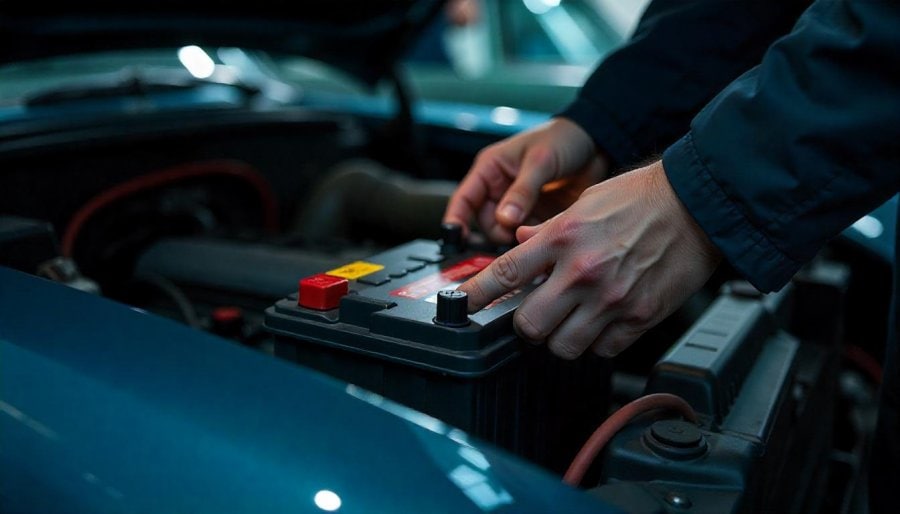
Step-by-Step Guide to Checking Your Car Battery’s Health
Performing a car battery check is one of the simplest ways to identify potential issues before they lead to roadside emergencies. Start by ensuring your engine is turned off and all electrical accessories—like the radio, headlights, and climate controls—are also shut down. This creates an accurate baseline for your inspection. Open the hood and visually examine the battery for any signs of corrosion, which typically appears as a white, crusty deposit around the terminals. Corrosion can block electrical flow and hinder starting, so catching it early allows you to clean it away before it worsens. Use a brush dipped in a mixture of baking soda and water, or a dedicated terminal cleaner, to gently scrub away buildup, restoring good contact.
Next, check that the battery terminals are securely attached. Loose or corroded connections can cause sluggish starts or drain the battery faster. Tighten any loose terminals carefully, making sure they’re snug but not overtightened, which could damage the terminal posts. If you notice significant rust or damage on the terminals, replacing them is a quick fix that can significantly improve your battery’s performance. Once the connections are secure, it’s helpful to measure the battery’s voltage with a multimeter. Set the device to volts and place the probes on the corresponding terminals—red on the positive and black on the negative. A healthy, fully charged battery should read around 12.6 volts. Anything below 12.4 volts indicates a partial drain, signaling that the battery might be losing its capacity and needs attention soon.
Monitoring how your vehicle starts after sitting overnight provides additional insight into your battery’s health. If the engine cranks slowly or hesitates before starting, it’s a sign that the battery’s ability to deliver power is diminishing, even if the voltage seems normal. Regularly checking the resting voltage over time can help you spot declining performance before it leaves you stranded. For a more thorough assessment, many auto parts stores offer free or inexpensive load testing services, which simulate the electrical demand of starting your vehicle. This test can confirm whether your battery can handle real-world conditions and help you plan for replacement if necessary.
Performing these checks doesn’t require advanced skills or costly tools, but their simplicity makes them invaluable. Make it a habit to inspect your battery every few months, especially before winter or long trips when demands on your vehicle increase. Catching early signs—such as corrosion, loose connections, or low voltage—allows you to clean, tighten, or replace the battery proactively. These small steps can extend your battery’s lifespan, improve your vehicle’s reliability, and prevent inconvenient breakdowns. Staying vigilant about your battery’s health keeps your car dependable and your driving experience worry-free, no matter the weather or circumstances.