In an era where traditional locks no longer suffice, modern home security has evolved into an integrated, tech-driven fortress of safety. From remote surveillance and smart alarms to biometric access control, these advanced systems offer proactive protection tailored to busy, modern families. But do these interconnected devices truly safeguard against today’s unpredictable threats, or do they introduce new vulnerabilities like cybersecurity risks and technical glitches? As AI and automation continue to advance, homes are becoming smarter and more responsive—detecting anomalies, recognizing familiar faces, and adapting in real time. Yet, reliance on such technology raises questions about reliability and security. This compelling shift toward seamless, intelligent security ecosystems promises greater peace of mind, but also demands vigilance and informed management. Are these innovations enough to keep families safe amid constant digital risks, or is a balanced approach still essential? The future of home security hinges on mastering this delicate balance between convenience and caution.

Revolutionizing Safety: The Shift from Traditional Locks to Connected Systems
Home security has come a long way from the days when a sturdy lock and a loud alarm were enough to keep a home safe. Back then, physical barriers like deadbolts and wired alarm systems were the main defense, helping to deter intruders but offering limited protection. These systems were reactive—they alerted homeowners only after a breach occurred, often requiring someone to be present to respond. As technology advanced, so did our options, transforming home security into a more proactive and connected experience.
The shift toward digital and wireless solutions marked a turning point. Today’s security systems include internet-connected cameras, motion sensors, and remote alert capabilities that can be managed from anywhere. This connectivity allows homeowners to monitor their homes in real time, view live footage, and receive instant notifications on their smartphones. Such features turn security into an active process, not just a passive barrier, giving families greater control and peace of mind.
The development of integrated platforms further revolutionized home security. Instead of managing separate alarms, cameras, and locks, users can control everything through a single app or interface. This seamless integration creates a comprehensive security environment where different devices work together—detecting motion, turning on lights, sounding alarms—all coordinated to respond quickly and effectively. It’s a smarter, more efficient way to protect your home in today’s fast-paced world.
Modern families want safety solutions that fit effortlessly into their routines. Instant access, remote management, and automation mean you can check on your home from work, while traveling, or simply while upstairs. These systems make it easy to monitor and respond to potential threats without disrupting daily life. They also reflect a broader trend: making security an integrated part of everyday living rather than an isolated or neglected task.
While these innovations offer remarkable benefits, they also introduce new challenges. Cybersecurity threats, technical glitches, and Wi-Fi outages can temporarily compromise even the most sophisticated systems. Recognizing these risks is essential—regular updates, strong passwords, and backup plans help ensure your security remains reliable. As technology continues to evolve, so does the importance of maintaining vigilant, informed use of these tools.
In essence, modern home security is no longer about just locking doors or installing alarms. It’s about creating a responsive, interconnected environment that adapts to our lives and threats in real time. These advancements empower families to stay connected, respond swiftly, and enjoy a greater sense of safety in an increasingly complex world. The future promises even smarter, more intuitive solutions that will make home security an integral, effortless part of everyday life.
Tracing the Journey: From Mechanical Locks to Intelligent Security Ecosystems
Home security has made remarkable strides from its early days, evolving alongside technological advancements to meet the demands of modern households. Initially, physical defenses like sturdy locks, deadbolts, and wired alarm systems formed the backbone of home safety, primarily serving as deterrents. These systems were reactive—triggered only after a breach—and relied heavily on homeowners being present to respond. While effective to some extent, their limitations became clear as intruders found ways to bypass them or disable alarms without immediate detection.
The advent of digital technology brought a significant shift. Wireless sensors, internet-connected cameras, and remote alert capabilities transformed home security from static, mechanical setups into dynamic, networked solutions. Now, homeowners could monitor their property remotely, viewing live footage and receiving instant notifications on their smartphones. This connectivity introduced a level of control and responsiveness that traditional systems couldn’t match, enabling proactive measures and real-time oversight.
As these innovations progressed, the focus moved toward integrating multiple devices into cohesive platforms. Instead of managing separate alarms, cameras, and locks individually, users gained the ability to control everything through a single app or interface. This integration made it possible for different devices to work together—motion sensors could trigger cameras to record, lights to turn on, and alarms to sound—all in unison. Cloud storage, AI analytics, and customizable routines further enhanced these systems, making them smarter, more adaptable, and more effective at deterring threats.
More insight on this topic is available on Marcel Kingdom Chronicles in Gen Gray‘s article Revolutionizing Home Security with Smart Remote Technologies.
This evolution toward interconnected ecosystems reflects a broader trend in home security: the shift from isolated devices to comprehensive, intelligent environments. Modern systems are designed to be easy to manage, offering seamless control over security, automation, and even energy management. This interconnectedness not only boosts safety but also adds convenience, allowing families to respond swiftly to potential hazards from anywhere. The result is a security landscape that’s more resilient, intuitive, and aligned with the pace of contemporary life.
Despite these advances, the journey isn’t without challenges. Connectivity issues, cybersecurity risks, and technical glitches can still pose threats to system reliability. Recognizing these vulnerabilities is key to maintaining effective security. Nonetheless, ongoing innovations continue to push the boundaries, making home security smarter, more integrated, and better equipped to handle today’s unpredictable threats. The evolution from basic locks to sophisticated, connected systems highlights a future where safety is proactive, adaptable, and seamlessly woven into everyday living.
Trusted Canadian-Owned Security Solutions in Markham, Ontario
F.I.S.T Security is a proudly Canadian-owned and operated business based in Markham, Ontario, renowned for delivering reliable security solutions tailored to meet diverse needs. Our comprehensive services include intruder detection, card access, closed circuit television (CCTV), intercoms, alarm monitoring, remote video monitoring, lighting, and environmental control. We take pride in our reputation and always go the extra mile to ensure our clients’ safety, especially when asked. Whether you need advanced access control or comprehensive surveillance, F.I.S.T Security is your trusted partner. Contact us today at 416.755.4233 or email [email protected] to learn more about how we can enhance your security in Markham and the surrounding area.
Essential Elements: Building a Robust Modern Home Security Framework
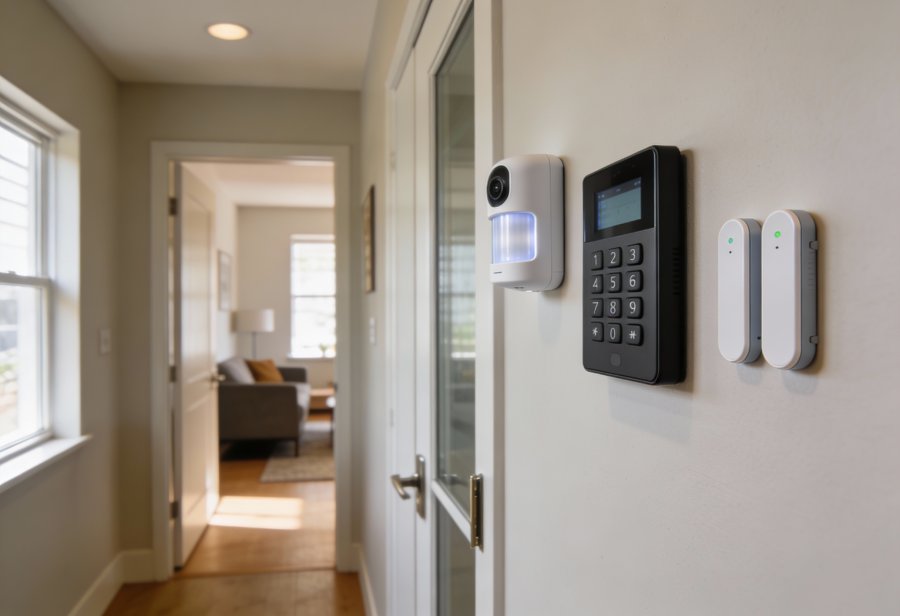
Modern home security systems rely on a set of core components that work together to create a comprehensive safety net. At the heart are high-resolution surveillance cameras, which serve both as deterrents and evidence gatherers. These cameras are now equipped with night vision, motion detection, and remote access, allowing homeowners to monitor their property from anywhere via smartphone or computer. This instant oversight makes it easier to keep an eye on children, pets, or visitors and spot any suspicious activity early.
Alarms form another key pillar. Today’s systems go beyond loud sirens—they integrate sensors on doors, windows, and inside rooms to detect unauthorized entry or movement. When triggered, they send immediate alerts to your device or activate a professional monitoring service 24/7. Customizable and scalable, these alarms can be tailored to fit specific household needs, whether you want to monitor particular entry points or add sensors for glassbreaks and interior motion. This flexibility ensures your system responds swiftly and effectively to potential threats.
For additional context, refer to Transform Your Home Security with Smart Connected Solutions, an article by Fred Morgan on The Top Stories to Read.
Smart locks and access control devices have revolutionized how we manage home entry. Digital locks use codes, smartphone apps, or biometric data like fingerprints, making physical keys almost obsolete. You can unlock or lock doors remotely, grant temporary access to visitors or service providers, and keep detailed logs of entries and exits. These features reduce risks associated with lost or duplicated keys and allow for more precise control over who enters your home, especially when integrated with automation routines.
All these elements become even more powerful when managed through a centralized platform. A single app or interface consolidates control over cameras, alarms, and locks. This integration ensures these components don’t operate in silos but work together seamlessly—motion detected outside can trigger cameras to record, lights to turn on, and alarms to sound, all coordinated from one control point. Such cohesion enhances real-time responsiveness and simplifies system management.
Together, these core components form the backbone of modern home security. They provide layered protection, enabling instant monitoring and quick responses whether you’re at home or away. As technology advances, these elements continue to become smarter, more reliable, and easier to manage, transforming home security from isolated devices into an integrated, proactive safety ecosystem.
Real-World Safety: Seamless Integration in Daily Life
Modern home security solutions become truly effective when seamlessly integrated into daily routines, making safety an effortless part of life. With remote monitoring, families can keep an eye on children arriving home from school or verify visitors without stepping outside. Checking live footage from a smartphone while at work or traveling offers reassurance and quick response capabilities, transforming security from reactive to proactive. Instant alerts from motion sensors or door sensors enable prompt action, whether to address a potential threat or simply confirm a visitor’s identity.
Smart locks and keyless entry systems exemplify how integration elevates convenience and safety. Instead of traditional keys, digital codes, smartphone apps, or biometric options like fingerprints allow for remote locking and unlocking. You can grant temporary access to guests or service providers and monitor entry logs in real time. This flexibility not only reduces the risk of lost keys but also streamlines household management, especially when combined with automation routines that lock doors at preset times or when you leave the house.
Connecting security systems with other smart home devices creates a highly responsive environment. When a motion sensor detects activity outside, connected lights can turn on automatically to deter intruders and alert you. Window and door sensors trigger alarms and can activate cameras to record footage instantly. These automated responses help prevent threats before they escalate, turning your house into an active guardian rather than a passive barrier. The synergy between devices enhances both safety and energy efficiency, aligning security with everyday comfort.
Real-world examples highlight how integrated security translates into tangible safety benefits. Families use remote access to unlock doors for trusted visitors, then review footage afterward for peace of mind. When an unfamiliar person is spotted near the property, homeowners can quickly check live feeds and notify authorities if needed. Such swift, coordinated responses demonstrate how technology helps prevent crimes and reduce vulnerability. Additionally, automation routines—like activating cameras and locking doors at night—become second nature, embedding safety into daily habits.
Experience the Future of Smarter, Seamless Home Security offers a complementary viewpoint from Ivy Perez on Jim Dear!.
Implementing these systems requires a bit of planning, but the payoff is significant. Regularly updating devices, customizing alerts, and practicing remote controls ensure you get the most out of your setup. Educating everyone in the household about system features makes safety a shared responsibility, fostering a culture of awareness. Over time, these routines become instinctive, making security a natural, stress-free part of everyday life rather than an afterthought.
Despite their many advantages, it’s essential to stay aware of potential limitations. Connectivity issues, cybersecurity threats, and technical glitches can temporarily disrupt even the most sophisticated systems. Maintaining strong passwords, keeping software updated, and having manual backups help safeguard against these vulnerabilities. Recognizing that no system is foolproof encourages a balanced approach—combining technology with basic safety practices ensures your home remains protected under all circumstances.
When integrated thoughtfully, modern home security becomes more than just a collection of gadgets; it transforms into an active, intelligent network. By blending technology with daily routines, families enjoy enhanced safety, faster responses, and peace of mind. This connected approach not only addresses today’s unpredictable threats but also sets the foundation for smarter, more resilient homes in the future.
Looking Ahead: The Future of Smarter, More Responsive Home Security
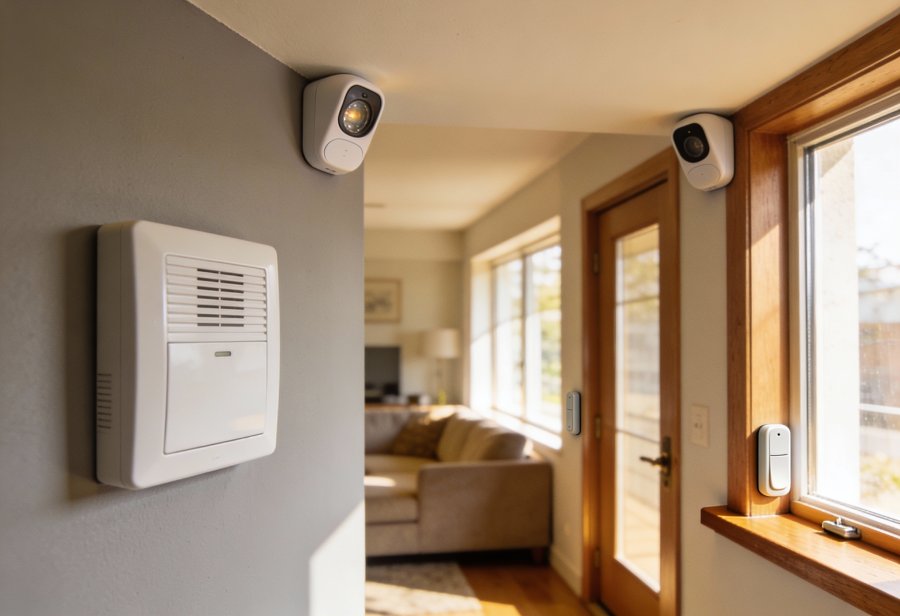
As home security technology continues to evolve, the move toward integrated, remote-controlled systems is fundamentally transforming how families protect their living spaces. These solutions offer a level of control and immediacy that traditional locks and alarms simply can’t match, providing real-time oversight and instant alerts that keep homeowners connected no matter where they are. This shift not only enhances deterrence and response times but also fosters a deeper sense of confidence and peace of mind in an unpredictable world.
The integration of AI, smart sensors, and automation is making homes more responsive and resilient. These advanced features can analyze activity patterns, recognize familiar faces, and detect anomalies, allowing security systems to act proactively rather than purely reactively. Environmental sensors add another layer by monitoring smoke, gas leaks, or temperature changes, alerting homeowners to hazards before they escalate. This intelligent ecosystem helps families stay ahead of potential threats, reducing false alarms and addressing issues early, which ultimately creates a safer, more adaptable home environment.
Despite the impressive benefits, reliance on connected systems introduces new challenges. Connectivity issues, cybersecurity vulnerabilities, and technical glitches can occasionally compromise security. It’s crucial for homeowners to implement strong passwords, keep software updated, and maintain manual backup plans to ensure continuous protection. Recognizing these limitations encourages a balanced approach—embracing technological advancements while remaining vigilant against potential risks.
Looking ahead, the future of home security promises even more sophisticated features. Artificial intelligence will enable systems to anticipate threats before they happen, while automation routines will make homes more self-sufficient. Homes will become dynamic environments that adjust in real time to external conditions and household routines, creating a seamless safety network. Such developments will make safety less of a chore and more of an integrated, intuitive experience—tailored to the needs of modern families.
As these innovations become mainstream, it’s essential to approach them with both enthusiasm and caution. Regular system updates, cybersecurity measures, and user education will help maximize benefits while minimizing vulnerabilities. A thoughtful balance between cutting-edge technology and practical safety habits ensures that homes remain protected even amid evolving threats.
Ultimately, the ongoing progress in home security reflects a broader desire for control, convenience, and peace of mind. Smarter, connected systems empower families to respond more swiftly to dangers, prevent problems before they escalate, and enjoy daily life with less worry. The future of home security is not just about technology; it’s about creating resilient, responsive environments that adapt to our needs and protect what matters most.