In an era where seamless communication is vital for success, modern business phone services are transforming how companies connect internally and with customers. Is traditional landline reliability enough in a rapidly evolving digital landscape, or are VoIP and cloud-based systems revolutionizing responsiveness and resilience? This work explores how advanced features like auto-attendants, video conferencing, and mobile integrations elevate professionalism and operational efficiency. As businesses grow and demands shift, scalable, disaster-proof solutions ensure continuous connectivity, safeguarding against outages and disruptions. Security and compliance features protect sensitive data amid rising cyber threats, turning communication into a strategic asset. The narrative questions whether embracing these innovations is essential for future competitiveness or merely an option. With technological advancements like AI, 5G, and smarter integrations on the horizon, the future of business communication promises even greater agility and security—are organizations ready to leverage these tools for sustained growth in an increasingly digital world?
Enhance Your Business Communications with FiberConX’s VoIP Solutions
Looking for reliable voip service for business in Canada? FiberConX Communications specializes in delivering top-tier VoIP and IP business phone services tailored to your company’s needs. Our solutions include advanced features like voicemail, IVR, ring groups, and voicemail-to-mail, ensuring seamless communication and efficient call management. Whether you’re a small startup or a large enterprise, FiberConX provides scalable and cost-effective communication systems designed to boost productivity. Get in touch today at 1.416.945.9210 or email [email protected] to learn how our VoIP services can transform your business operations.
Modern Business Communication: The Backbone of Success
Reliable communication forms the backbone of any successful business. When teams can connect clearly and efficiently, operations run smoothly, customer needs are met promptly, and problems are resolved without delay. In today’s fast-paced world, staying connected isn’t just a convenience—it’s a strategic necessity. Outdated or unreliable systems can lead to miscommunications, missed opportunities, and lost revenue, making a robust communication infrastructure essential for staying competitive.
Over the years, the way companies communicate has undergone a significant transformation. Traditional landline phones, which relied on physical copper wires, once dominated office environments. While dependable, these systems offered limited flexibility and scalability—challenges for growing or remote organizations. The rise of internet technology introduced Voice over Internet Protocol (VoIP), which transmits voice calls over the web, opening new doors for cost savings and expanded features that enhance connectivity.
Today’s modern business communication tools go far beyond simple voice calls. Features like auto-attendants, call routing, voicemail-to-email, and video conferencing help create seamless experiences for employees and customers alike. These innovations support remote work, multi-location operations, and fast-paced customer service, allowing organizations to project professionalism, respond quickly, and build stronger relationships in a competitive landscape.
The shift from traditional landlines to internet-based platforms reflects a broader demand for agility. Cloud-based systems enable businesses to manage their communication channels from anywhere, with easy scalability and quick adjustments. During outages or disruptions, calls can reroute automatically, ensuring continuous service. This flexibility proves especially valuable for remote or expanding teams, where swift adaptation is key to maintaining operational resilience.
Security and compliance have also become vital considerations in modern communication. Advanced encryption, call recording, and data protection measures safeguard sensitive information and help organizations meet industry standards. These tools not only protect the integrity of business communications but also foster trust with clients and partners, particularly in sectors like healthcare, finance, and legal services. As digital transformation accelerates, reliable, flexible, and secure communication systems remain fundamental to business success.
Core Concepts Unveiled: Types and Functionalities of Business Phone Systems
Business phone systems are the backbone of how organizations communicate internally and externally. They come in various forms, each with its own strengths and functionalities tailored to different business needs. Traditional landline systems rely on physical copper wires to transmit voice calls, offering dependable service but limited flexibility. As companies grow or shift toward remote work, these systems often become too rigid to keep pace with evolving demands.
The rise of Voice over Internet Protocol (VoIP) has transformed business communication by moving voice calls onto the internet. This shift makes systems more adaptable and cost-effective, allowing for easy scaling as a business expands. VoIP supports high-definition call quality and a range of advanced features, such as video conferencing, call forwarding, and voicemail transcription, all integrated into a single platform.
Modern systems also include auto-attendants that greet callers and direct them to the right department automatically. Call routing ensures inquiries reach the correct person based on predefined rules like caller ID, time of day, or specific needs. These features streamline customer interactions, reduce wait times, and improve overall professionalism. They enable businesses to present a polished image without the need for extensive staffing.
Cloud-based platforms have gained popularity because they allow remote management and instant scalability. Administrators can configure settings, add or remove users, and customize features through online dashboards, no matter where they are. This flexibility supports multiple locations and remote teams, ensuring seamless communication across the organization. Additionally, cloud systems offer disaster recovery options, rerouting calls during outages to maintain service continuity.
Security is a critical concern in modern communication systems. Encryption safeguards conversations from eavesdropping, while call recording supports quality control and regulatory compliance. For industries like healthcare, finance, and legal services, these features are essential for protecting sensitive data and maintaining trust. Choosing systems with robust security measures helps organizations adhere to industry standards and reduce cyber threats.
Integration with other digital tools enhances the capabilities of modern phone systems. Connecting platforms with customer relationship management (CRM) software and collaboration apps creates a unified communication environment. This integration streamlines workflows, provides quick access to customer data, and enables smarter decision-making, transforming communication into a strategic asset.
The core of these systems lies in their ability to support flexibility and growth. Whether a small startup or a large enterprise, the right setup ensures efficient internal communication and an improved customer experience. As technology continues to evolve, understanding these foundational components helps organizations make informed choices that align with their long-term goals.

Transforming Business Operations: The Impact of Modern Phone Services
Modern phone services are transforming how businesses operate and connect with their customers in profound ways. By adopting platforms like VoIP and cloud-based systems, companies can streamline internal workflows and respond more swiftly to customer needs. Features such as auto-attendants and intelligent call routing automatically direct callers to the right departments, reducing wait times and creating more efficient interactions. This not only projects a polished, professional image but also builds trust and loyalty among customers.
The scalability of these systems is a game-changer. As businesses grow, adding new lines or features becomes quick and simple, often managed through intuitive online dashboards. Cloud solutions enhance resilience, allowing calls to be rerouted during outages or disruptions, ensuring uninterrupted service. This flexibility keeps operations running smoothly, especially for remote or multi-location teams, where quick adaptation is essential for maintaining productivity.
Customer relationships are deeply impacted by these modern tools. Features like voicemail-to-email, call recording, and detailed analytics provide valuable insights into customer preferences and behaviors. Armed with this data, organizations can tailor their services, anticipate needs, and respond more proactively. The ability to communicate outside of traditional hours—through instant messaging and mobile integrations—further reinforces a sense of availability and attentiveness.
Internal collaboration also benefits greatly. Mobile integration allows employees working remotely or on the go to make and receive calls, access voicemails, and join conference calls seamlessly. This connectivity keeps teams aligned and responsive, regardless of location. It enables a more agile work environment, where responsiveness and teamwork are prioritized, making it easier for organizations to adapt to flexible work models.
Security features have become a cornerstone of modern communication. Encryption protects conversations from unauthorized access, while call recording supports quality assurance and compliance with industry standards. For sectors like healthcare, finance, and legal services, these tools are essential to safeguard sensitive information and maintain trust. Choosing robust security measures ensures that communication remains private and protected from cyber threats.
The integration of phone systems with other digital tools is reshaping how organizations operate. Connecting platforms with customer relationship management (CRM) systems, collaboration apps, and analytics creates a unified environment. This streamlines workflows, provides immediate access to relevant data, and supports smarter decision-making, transforming communication from a routine task into a strategic advantage.
These advancements collectively enhance operational efficiency and customer experience. Companies can respond faster, resolve issues more effectively, and deliver a consistent, professional image. Modern phone services are no longer just about making calls—they’re strategic tools that support growth, innovation, and resilience in a competitive marketplace.
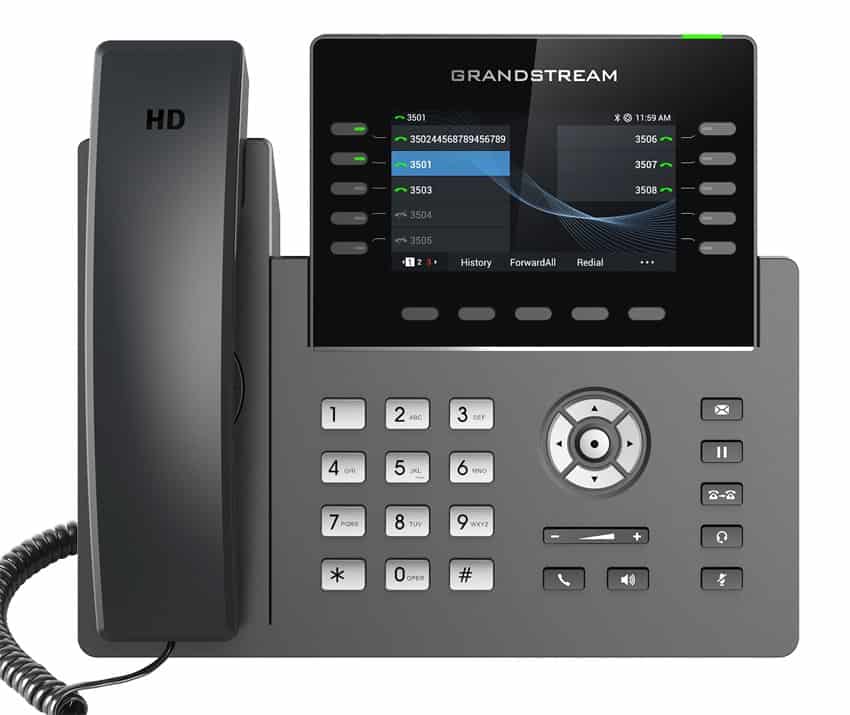
As organizations continue to evolve, the importance of reliable and feature-rich communication tools cannot be overstated. Many businesses are turning to solutions like voip phones to further enhance their connectivity and operational flexibility. These systems offer a cost-effective way to upgrade communication infrastructure, ensuring that teams stay connected and responsive no matter where they are.
Real-World Success: Practical Applications and Benefits of Modern Communication
Businesses across various industries are discovering that modern communication systems are essential tools for staying competitive and streamlining daily operations. For instance, retail chains implement VoIP with auto-attendants and call routing to handle high call volumes efficiently, ensuring customers reach the right department without long waits. This enhances their experience and boosts satisfaction, creating a professional image that rivals larger organizations. Service providers rely on cloud-based systems to keep remote employees connected and responsive from any location, supporting faster decision-making and better customer interactions regardless of where teams are based.
In healthcare, secure, encrypted calls combined with integrated messaging streamline coordination and ensure compliance with strict privacy standards. This setup allows staff to communicate quickly and securely, reducing errors and improving patient outcomes. Small businesses benefit from scalable, cost-effective solutions that grow alongside them, enabling easy onboarding of new team members and adding features without complex setups. These real-world examples demonstrate how modern communication tools directly impact efficiency, customer satisfaction, and long-term growth.
VoIP technology also plays a strategic role in business planning. Moving voice communication to the internet allows integration with customer relationship management (CRM) platforms and collaboration tools. This creates a unified environment where call data, customer histories, and analytics are accessible in one place, simplifying workflows and supporting data-driven decisions. Such integration turns communication into a strategic asset, helping organizations anticipate customer needs and tailor services proactively.
Features like auto-attendants and call routing transform customer interactions into more professional, personalized experiences. Auto-attendants handle initial greetings and menu options, projecting a polished image, while call routing directs inquiries efficiently based on predefined rules. These tools reduce wait times and miscommunications, freeing staff from routine screening and allowing them to focus on more complex, value-added tasks. This shift not only improves customer satisfaction but also enhances internal productivity, making every interaction more meaningful.
Mobile integration further enhances how remote and hybrid teams communicate. Employees can make and receive calls, access voicemails, and participate in conference calls seamlessly from their smartphones or tablets. This continuous connectivity keeps teams aligned and responsive, regardless of location. It fosters a more agile work environment where responsiveness and collaboration are prioritized, ensuring communication remains reliable and effective in any setting. These capabilities help organizations adapt quickly to changing work models and maintain high service standards.

Looking Ahead: The Future of Business Communication and Innovation
Looking ahead, the future of business communication is poised for rapid evolution, driven by technological breakthroughs and changing workplace expectations. Artificial intelligence, 5G connectivity, and smarter security measures will make communication tools more intuitive, faster, and more secure. We can expect platforms that seamlessly integrate voice, video, messaging, and collaboration features into unified ecosystems, enabling organizations to respond swiftly and adapt to market shifts with agility.
The migration to cloud-based and internet-driven systems shows no signs of slowing down. These platforms have already revolutionized how businesses operate, offering unmatched scalability and resilience. As companies recognize the strategic value of reliable, disaster-proof communication, investment in these systems will continue to grow. This shift not only ensures operational continuity during outages but also supports remote workforces more effectively, making flexibility and uptime standard expectations.
Security will remain a top priority as cyber threats grow more sophisticated and regulations tighten. Future communication systems will incorporate advanced encryption, identity verification, and threat detection tools that protect sensitive data and foster trust. These innovations will help organizations confidently leverage digital tools, knowing their communications are private and secure, which is especially vital in sectors handling confidential information.
We’re also likely to see these communication platforms becoming more integrated with broader digital strategies. Voice, video, messaging, and analytics will work together in smarter ways, creating more responsive and data-driven operations. Businesses that view their communication tools as strategic assets—rather than just utilities—will unlock new opportunities for growth, efficiency, and enhanced customer engagement.
Adapting to these changes requires an openness to innovation and a focus on security and flexibility. Companies that proactively explore emerging solutions will be better positioned to navigate future disruptions and seize new opportunities. Embracing advanced, integrated, and secure communication systems today sets the stage for sustained success in an increasingly digital world.
In the end, reliable, flexible, and secure communication isn’t just a business necessity—it’s a strategic advantage that will define competitiveness and resilience in the years to come. As technology continues to advance, organizations that invest wisely in these tools will strengthen their ability to connect, grow, and thrive in a fast-changing landscape. The move from traditional landlines to sophisticated, internet-based platforms has already laid a strong foundation—now, the future promises even greater possibilities for innovation and success.