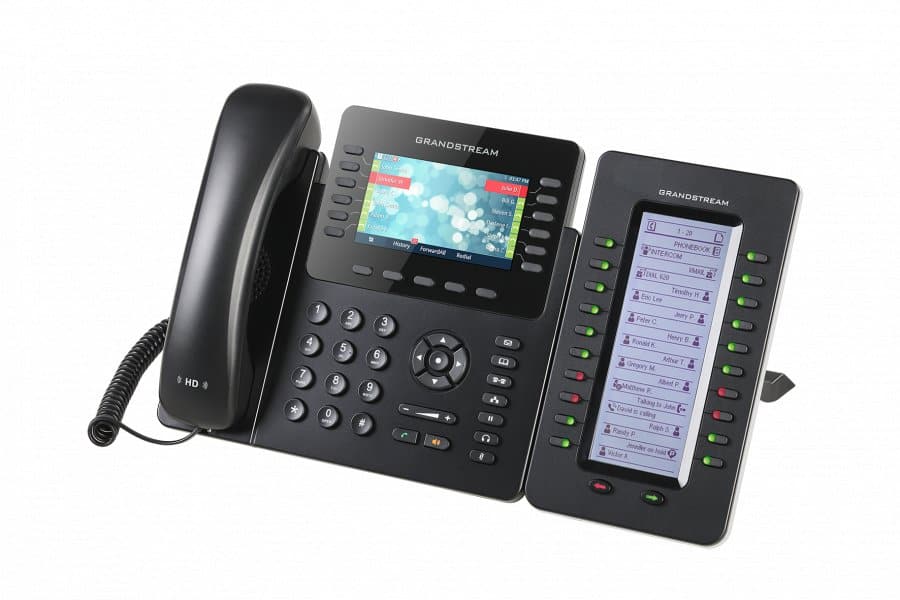
In an era where every second counts, the evolution of business phone services has transformed how organizations connect and compete. From traditional landlines to sophisticated VoIP and cloud-based systems, reliable communication now underpins professional image, customer satisfaction, and operational resilience. But is your business truly leveraging these advancements to stay ahead? As technology offers seamless integration, scalability, and enhanced security, companies face the challenge of adapting swiftly while safeguarding sensitive data. The future promises even smarter, AI-driven tools that personalize interactions and streamline workflows, yet maintaining trust remains paramount. Are organizations prepared to harness these innovations to build stronger relationships and ensure long-term growth? In this rapidly changing landscape, the ability to communicate reliably and professionally is no longer optional—it’s essential for enduring success. The question is: how will your business evolve its communication strategies to thrive in this digital age?
Transform Your Business Communications with FiberConX’s VoIP Solutions in Canada
Enhance your company’s connectivity with FiberConX Communications, a leading provider of business phone service in Canada. Specializing in VoIP and IP-based business phone services, FiberConX offers features like voicemail, IVR, Ring Groups, and voicemail-to-mail, ensuring seamless communication for your team. Whether you’re looking to improve customer interactions or streamline internal calls, their reliable solutions are tailored for modern businesses. Reach out today at 1.416.945.9210 or email [email protected] to discover how FiberConX can elevate your business communication infrastructure.
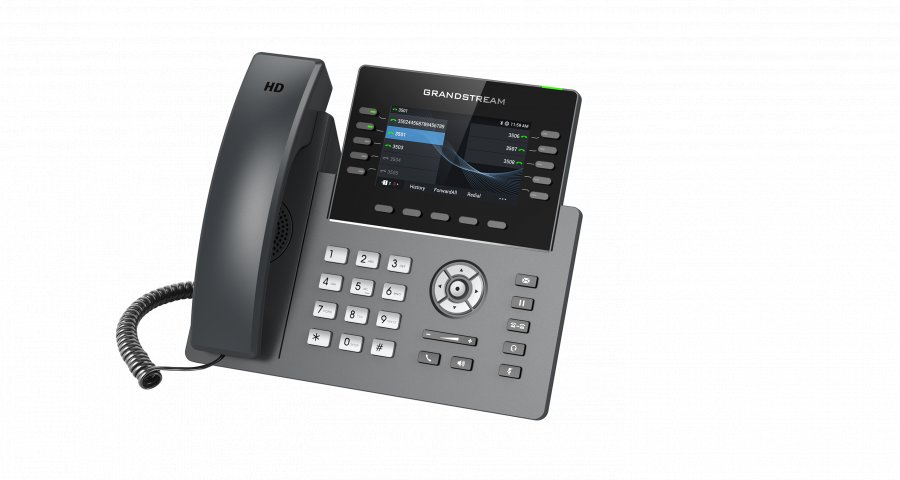
Reliability in Business Communication: The Key to Success in a Digital Age
Reliable communication has always been at the heart of business success, but today, its importance is more critical than ever. As companies face rapid technological changes and rising customer expectations, staying connected with clarity and consistency can make the difference between thriving and falling behind. The way we communicate has evolved from simple voice calls to sophisticated digital platforms, transforming how organizations build relationships and respond to market demands.
This shift is driven by the emergence of modern business phone services, especially VoIP and cloud-based systems. These tools are not just upgrades; they are game-changers that redefine professionalism and efficiency. They enable seamless integration across devices and locations, making remote work more practical and ensuring that customer interactions are swift, smooth, and professional. With features like auto-attendants, call routing, and mobile extensions, businesses can project a polished image while managing large call volumes effortlessly.
The evolution from traditional landlines to internet-based solutions has also enhanced scalability and resilience. Cloud platforms allow companies to grow without the headaches of hardware limitations, adding lines or features with a few clicks. During outages or disruptions, calls can quickly be rerouted to mobile devices, maintaining business continuity and safeguarding reputation. This flexibility is crucial in a landscape where agility and responsiveness often determine competitive advantage.
Security remains a vital concern as these new systems handle sensitive data and customer interactions. Modern phone solutions incorporate encryption, compliance tools, and access controls to protect conversations and meet industry standards. This focus on security ensures that businesses can leverage advanced communication features without risking client trust or regulatory penalties.
In essence, reliable communication today is more than just making calls; it’s about creating a resilient, professional, and customer-centric infrastructure. As technologies continue to advance, organizations that prioritize seamless, secure, and flexible communication channels will be better positioned to adapt, grow, and succeed in an increasingly connected world.
From Landlines to Cloud: Tracing the Evolution of Business Communication Technologies
The way businesses communicate has seen a dramatic transformation over the past few decades. It all started with traditional landline phones, which provided a simple and dependable way for organizations to make voice calls. These systems were reliable, easy to operate, and suited the needs of many companies for years. However, their limited features and high costs made scaling and adding new functionalities cumbersome.
As technology advanced, digital phone systems began to replace landlines, introducing features such as caller ID, voicemail, and call waiting. These innovations made internal and external communication more efficient and set the stage for further evolution. Companies could now manage calls more effectively and project a more professional image to clients and partners alike.
The real game-changer emerged with the advent of Voice over Internet Protocol (VoIP). By routing voice calls over the internet, VoIP drastically reduced costs and opened up a host of new possibilities. Businesses could easily add lines, facilitate video conferencing, and integrate instant messaging within a single platform. This shift made remote work more practical and fostered greater collaboration across dispersed teams.
Following VoIP, cloud-based phone systems gained popularity for their flexibility and scalability. Hosted on remote servers, these platforms eliminate the need for bulky on-site hardware. Managing and expanding communication infrastructure became simpler through intuitive online dashboards, allowing businesses to adapt quickly to changing needs. During outages, calls can be rerouted seamlessly, ensuring ongoing operations without interruption.
The infrastructure supporting these systems has also evolved. Faster internet speeds, improved network reliability, and enhanced bandwidth have made high-quality voice and video calls possible without lag or dropouts. Mobile device integration further extends these capabilities, enabling employees to stay connected whether they’re in the office, at home, or on the move.
Today’s communication tools are a blend of hardware, software, and cloud infrastructure working together to deliver clarity, resilience, and flexibility. Each technological milestone, from landlines to internet-based platforms, has expanded what’s possible in business communication. This ongoing evolution continues to empower organizations to be more agile, responsive, and connected in an increasingly digital world.

Modern Perspectives: Why Dependable Communication Drives Competitive Advantage
In today’s fast-paced business environment, reliable communication isn’t just a convenience—it’s a strategic necessity. Companies that invest in seamless, dependable channels of contact tend to outperform their competitors by responding faster, delivering better service, and projecting a professional image. Modern communication systems, especially VoIP and cloud-based platforms, have become vital tools that influence customer satisfaction and operational efficiency alike.
Many industry leaders agree that the shift toward internet-enabled solutions has fundamentally changed how businesses interact internally and externally. Features like auto-attendants, call routing, and mobile integration create smooth, professional experiences for customers and support remote teams. These tools enable organizations to be more agile, ensuring they can adapt quickly to market changes or unexpected disruptions without losing momentum.
However, the conversation isn’t without debate. Smaller firms often hesitate due to concerns about costs or cybersecurity risks. Fortunately, service providers have responded by offering affordable, secure options that include encryption and compliance measures tailored to various industries. This democratization of advanced communication technology means that even small businesses can project professionalism and safeguard sensitive data without breaking the bank.
The widespread adoption of cloud-based systems has reshaped expectations around scalability and disaster recovery. Companies can now easily add or remove lines through intuitive dashboards, avoiding the hardware limitations of traditional systems. During outages or technical issues, calls can be rerouted automatically to mobile devices or backup lines, ensuring ongoing connectivity and maintaining trust with clients. This resilience is increasingly seen as a competitive advantage in a world where downtime can mean lost revenue or damage to reputation.
Looking ahead, the role of reliable communication continues to evolve with innovations like AI-driven call routing, voice assistants, and real-time analytics. These technologies are making interactions more personalized, efficient, and data-driven. As a result, organizations that leverage these tools will be better equipped to build stronger relationships, respond swiftly to customer needs, and stay ahead of the curve in an increasingly competitive landscape.
Despite rapid technological change, the core principle remains unchanged: clear, dependable communication is fundamental to success. The organizations that prioritize trustworthy, flexible, and secure channels will not only meet today’s demands but also set the stage for future growth and innovation. In this dynamic environment, staying connected isn’t just about technology—it’s about creating a resilient foundation for long-term success.
For businesses seeking reliable communication solutions, exploring options like business phone service can be a strategic move. These services are designed to support the evolving demands of modern organizations, ensuring seamless connectivity and enhanced professionalism as they grow and innovate.
Implementing Success: Practical Strategies for Modern Phone Systems
To effectively leverage modern phone systems, businesses should start by clearly defining their communication priorities. Understanding how your team interacts with customers and colleagues helps identify gaps such as missed calls, long wait times, or limited features. This clarity ensures you select solutions that genuinely enhance your operations rather than complicate them.
Scalability is a crucial factor. Cloud-based platforms are often the best choice because they allow easy expansion as your business grows. Managing new lines, features, or integrations can be done effortlessly through intuitive online dashboards. This flexibility means your communication infrastructure can evolve without costly hardware upgrades or lengthy setup processes.
Assessing your existing internet and network infrastructure is equally important. High-quality, reliable connectivity is the backbone of seamless voice and video calls. Upgrading your bandwidth or Wi-Fi can prevent frustrating disruptions, ensuring your team maintains professionalism during every interaction. A strong network minimizes lag and dropouts, fostering confidence with clients and partners.
Choosing the right provider involves evaluating both features and support services. Look for solutions that include auto-attendants, call routing, and mobile integrations tailored to your needs. Equally vital are robust security protocols like encryption and compliance features, which protect sensitive conversations and help meet industry regulations. A trusted provider offers ongoing support, making implementation smoother and ongoing management simpler.
Implementing a phased rollout minimizes disruption. Start with core features—such as call forwarding, voicemail, and basic routing—and gradually introduce advanced tools like video conferencing or CRM integrations. This approach allows your team to adapt comfortably and provides opportunities to troubleshoot and optimize workflows before full deployment.
Training staff effectively ensures you maximize your new system’s potential. Provide hands-on sessions and clear documentation to familiarize your team with features like call routing, mobile extensions, and conferencing tools. Well-trained employees can deliver better customer service, collaborate more efficiently, and fully utilize the system’s capabilities, translating into improved overall performance.
Finally, thorough testing before going live helps identify potential issues early. Pilot programs with select teams can reveal technical glitches and gather valuable feedback for adjustments. Pairing this with a focus on security measures—such as encryption and access controls—protects your conversations and data. A carefully planned implementation transforms your modern phone system into a strategic asset that supports growth, professionalism, and resilience.

Looking Ahead: The Future of Business Communication and Technological Innovation
Looking ahead, the future of business communication is set to become even more integrated and intelligent. Technologies like artificial intelligence and automation are already transforming how companies handle customer interactions, with smarter call routing, voice assistants, and chatbots making conversations more personalized and efficient. These tools analyze data in real time, enabling organizations to respond faster and with greater accuracy, which in turn strengthens customer relationships and builds loyalty.
As these innovations mature, security will remain a top priority. Cyber threats are growing more sophisticated, and protecting sensitive conversations and data will require ongoing advancements in encryption, access controls, and compliance features. Businesses will need to stay vigilant and regularly update their systems to maintain privacy and trust in an increasingly digital environment.
The shift toward remote and mobile work isn’t slowing down. Cloud-based communication platforms that support seamless connectivity across devices and locations will become the standard. This flexibility not only enhances internal collaboration but also allows organizations to serve customers more effectively, no matter where their teams or clients are based. Companies prioritizing reliable, mobile-friendly communication will be better positioned to adapt and thrive in this landscape.
Further down the line, new channels like video collaboration, real-time translation, and integrated messaging will continue to break down barriers. These tools will facilitate instant teamwork across borders, streamline workflows, and enable faster decision-making. As a result, business interactions will become more dynamic, responsive, and inclusive, helping organizations stay competitive in a globalized economy.
Despite all these technological strides, the core need for clear, dependable, and professional communication remains unchanged. Technology acts as a catalyst, but the goal stays the same: fostering strong, trustworthy connections that support growth and resilience. Companies that embrace these innovations while maintaining a focus on security and quality will be better prepared for future challenges and opportunities.
Investing in advanced communication solutions now isn’t just about keeping up; it’s about building resilience. Those who view technology as a strategic asset will foster growth, improve customer experiences, and enhance internal agility. In this fast-changing world, staying informed and adaptable is crucial for maintaining a competitive edge and ensuring long-term success.