In an era where seamless, reliable communication can make or break a business, the shift toward customized telephony solutions is revolutionizing how organizations connect internally and externally. Grandstream’s advanced IP phones and cloud-managed platforms offer scalable, flexible systems designed to meet diverse operational needs—whether supporting remote teams, managing multiple locations, or enhancing customer service. But how can businesses harness this technology to unlock maximum efficiency and growth? By integrating high-definition audio, remote management, and centralized control, companies can streamline deployment, reduce costs, and improve response times. These tailored solutions not only optimize internal workflows but also elevate customer experiences, providing a critical competitive edge. As digital transformation accelerates, the question remains: Are you leveraging the full potential of these innovative devices and platforms to elevate your communication strategy—before your competitors do?
Enhance Your Business Communications with FiberConX’s Advanced VoIP Solutions in Canada
Discover the power of reliable VoIP business and residential phone services with FiberConX Communications in Canada. Our solutions include features like voicemail, IVR, Ring Groups, and voicemail-to-mail, ensuring seamless communication for your organization. Elevate your office setup by integrating Grandstream IP Phones for crystal-clear calls and enhanced productivity. Whether you’re looking to streamline customer interactions or improve internal communication, FiberConX offers tailored services to meet your needs. Contact our team today at [email protected] or call 1.800.961.6856 to learn more about how our VoIP solutions can transform your communication infrastructure.
Unlocking Success with Customized Telephony Solutions
In today’s fast-paced business world, clear and reliable communication is more than just a convenience—it’s essential for success. Companies need systems that are not only dependable but also flexible enough to adapt to their unique workflows and growth. Customized telephony solutions make this possible, allowing organizations to design phone setups that fit their specific needs, whether it’s managing multiple locations, supporting remote teams, or enhancing customer service.
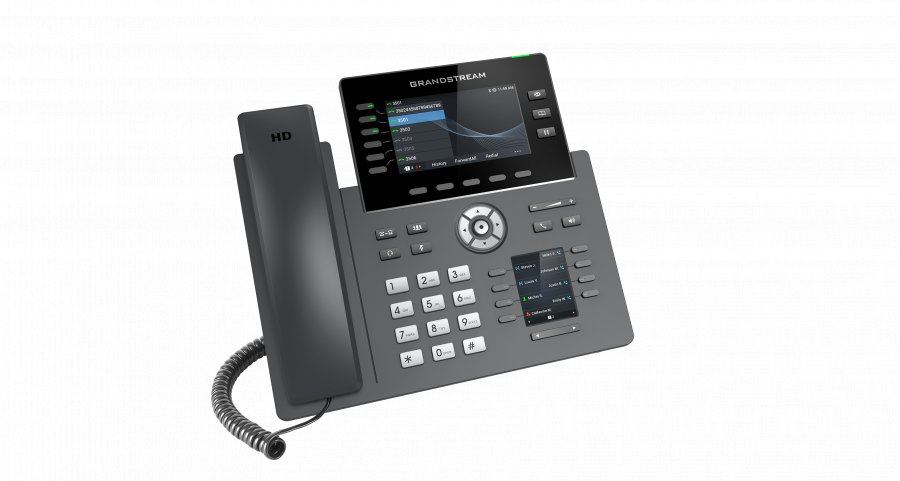
Moving beyond traditional landlines, many businesses are now turning to digital and internet-based systems like VoIP. These modern solutions offer scalability and cost savings that traditional options can’t match. With devices such as Grandstream IP phones and cloud-managed platforms, organizations gain remote management capabilities that simplify deployment, maintenance, and updates across multiple sites. This shift is transforming how businesses communicate internally and with their clients, creating smoother, more responsive interactions.
Understanding the core components of these systems—such as SIP protocols, high-definition voice, and programmable keys—helps organizations make smarter choices. When these elements are tailored to fit specific organizational goals, they form a seamless communication environment that boosts efficiency. Whether upgrading an existing setup or building a new one, knowing how each piece works ensures the system will serve the business well, now and into the future.
Choosing personalized telephony isn’t just about technology; it’s about aligning your communication tools with your business strategy. Deciding between on-premises, cloud, or hybrid deployment options affects costs, security, and flexibility. A well-designed system that fits your organization’s scale and needs can improve internal collaboration, elevate customer experiences, and support growth without adding unnecessary complexity.
As digital communication continues to evolve, organizations that invest in customized solutions position themselves ahead of the curve. They enjoy faster decision-making, better customer interactions, and operational efficiencies that drive competitive advantage. In a landscape where agility matters more than ever, the right telephony setup can be a game-changer—helping your business stay connected, responsive, and prepared for whatever comes next.
Foundation of Modern Communication: Telephony Systems Explained
Telephony systems are the foundation of how modern businesses communicate, connecting voice interactions across various networks. Today’s setups range from traditional landlines to advanced VoIP solutions, with hybrid models bridging the gap between the two. Voice over Internet Protocol (VoIP) has revolutionized the industry by enabling voice data to travel over the internet, significantly reducing costs and increasing flexibility for organizations of all sizes.
At the core of these systems are essential components like IP phones, network infrastructure, and management platforms. IP phones connect directly to the internet, providing high-quality voice communication without relying on traditional analog lines. Behind the scenes, routers, switches, and firewalls work together to transmit calls securely and reliably. Understanding these building blocks helps organizations optimize their communication channels and integrate new solutions more effectively.
The transition from analog landlines to digital, internet-based telephony has been driven by rapid technological advances. Early landlines relied on copper wires, which limited flexibility and required ongoing maintenance. Digital telephony, especially VoIP, introduced the ability to send voice data over broadband connections, making systems more scalable and easier to manage remotely. Over the past two decades, high-speed internet and cloud computing have further accelerated this shift, enabling smarter, more adaptable communication environments.
Organizations now face choices between on-premises systems, cloud-managed solutions, or hybrid setups. On-premises systems offer full control but involve higher upfront costs and maintenance. Cloud-managed telephony simplifies deployment and management, providing scalability and real-time updates. Hybrid models combine both approaches, offering a balance of security, control, and flexibility suited to varied organizational needs.
Standard protocols like SIP (Session Initiation Protocol) ensure compatibility and high call quality across devices. Advanced codecs such as G.711 and G.729 optimize audio clarity while conserving bandwidth. Security measures like TLS and SRTP protect conversations from eavesdropping and tampering, creating a trustworthy environment for sensitive communications.
Having a clear grasp of these foundational elements empowers businesses to make smarter decisions when upgrading or customizing their telephony systems. Recognizing the strengths and limitations of different deployment options helps align technology with organizational goals—whether controlling costs, enhancing security, or enabling remote work. This foundational knowledge paves the way for implementing innovative, personalized communication solutions that support long-term growth and agility.

Current Trends: How Innovative Devices Are Shaping Telephony Today
Today’s telephony landscape is more dynamic than ever, driven by a shift from traditional landlines to flexible, internet-based solutions. Businesses increasingly rely on cloud-managed platforms and IP phones that can be deployed rapidly across multiple locations. This transition helps organizations cut costs, increase agility, and maintain seamless connectivity with remote or distributed teams.
Devices like Grandstream IP phones play a pivotal role in this evolution. Their support for large-scale deployment, remote management, and centralized control simplifies the process of rolling out communication systems across diverse environments. Features such as cloud provisioning and device management platforms enable IT teams to configure, update, and troubleshoot hundreds or thousands of phones remotely, reducing operational burdens and minimizing downtime.
The move toward cloud-managed telephony streamlines deployment and ongoing maintenance. Companies no longer need extensive on-site hardware or complex network setups. Instead, cloud platforms offer real-time updates, troubleshooting, and scalability, making it easier to adapt to changing organizational needs. Hybrid models that combine on-premises control with cloud flexibility are gaining popularity, balancing security with convenience.
Standard protocols like SIP ensure compatibility and high call quality across devices, even as the technology landscape evolves swiftly. Advanced codecs and robust security measures, including TLS and SRTP, protect conversations and uphold reliability. These foundational elements support personalized telephony solutions that align with specific operational requirements.
Organizations are investing in smarter, adaptable systems that support remote management, scalability, and integration with digital tools. This focus on innovation improves internal collaboration, enhances customer service, and reduces bottlenecks. As a result, businesses become more responsive and better prepared to meet market demands.
The adoption of modern telephony devices and cloud solutions reflects a broader trend toward digital transformation. Companies that leverage these technologies gain a competitive edge by enabling faster decision-making, better customer experiences, and streamlined workflows. The current state of telephony is not just about technology; it’s about creating a resilient, efficient communication backbone that supports growth and innovation.
Balancing Act: Cost and Budget Analysis for Tailored Telephony Systems
Deploying customized telephony solutions involves weighing both upfront investments and ongoing expenses to ensure the system delivers long-term value. Hardware costs vary depending on the chosen devices—basic IP phones are budget-friendly for small teams, while models with advanced features like large color screens and programmable keys come at a higher price. Alongside hardware, organizations should account for software licenses, management platforms, and integration tools that unlock full system capabilities. These initial investments are crucial, but they set the foundation for more efficient communication workflows.
Switching to cloud-managed telephony often reduces initial hardware expenses, as it shifts the focus from purchasing physical devices to subscribing to cloud services. Subscription plans cover device management, updates, and troubleshooting, offering predictable monthly costs that simplify budgeting. This operational expenditure model provides flexibility, enabling businesses to scale their communication systems up or down as needed without significant capital outlay. It’s a practical choice for organizations seeking agility alongside cost control.
The real value of a personalized telephony system lies in its ability to boost productivity and reduce operational costs over time. Features like centralized management platforms enable quick deployment, remote configuration, and swift troubleshooting—minimizing downtime and freeing IT resources. By streamlining maintenance and support, companies can direct their efforts toward core activities, making the investment in tailored systems more justifiable. Well-implemented solutions can lead to faster decision-making and improved customer interactions, ultimately impacting the bottom line.
For smaller firms or organizations with tight budgets, cost-effective options remain accessible. Entry-level IP phones with essential calling features and good audio quality serve smaller teams well. Cloud-based plans with flexible pricing allow gradual expansion, avoiding unnecessary expenditure early on. Open-source management tools further decrease licensing costs, making modern telephony affordable without sacrificing functionality. These choices demonstrate that customizing telephony doesn’t have to mean overspending.
Smart budget planning balances initial costs with ongoing operational expenses, aligning spending with organizational growth and security needs. While high-end hardware or on-premises setups might seem costly initially, their long-term benefits—like enhanced control and stability—can justify the investment. Conversely, cloud solutions offer lower upfront costs and greater flexibility, especially suited for dynamic environments. Careful evaluation ensures your telephony setup supports your business goals without exceeding financial limits, providing a reliable foundation for future expansion.
Transforming Operations: Real-World Examples of Customized Telephony Impact
Customized telephony solutions can have an immediate, tangible impact on daily operations. For example, a retail chain that implemented Grandstream IP phones across all its stores found that centralized management allowed staff to transfer calls, handle multiple lines, and access key features effortlessly. This streamlined communication reduced customer wait times and improved satisfaction, while also easing the workload for employees. During peak hours, the system’s ability to manage high call volumes without additional staff showcased how tailored setups support efficiency.
In a different scenario, a remote team relied heavily on cloud-managed telephony to stay connected across various cities. Seamless call handling, instant information sharing, and quick collaboration kept workflows smooth. This flexibility enabled faster decision-making and better project coordination, demonstrating how personalized communication systems empower remote workforces and boost productivity.
Healthcare providers also experienced benefits after deploying these systems across multiple clinics. Reliable call quality enhanced patient coordination, making scheduling and emergency responses more effective. With remote management capabilities, IT teams could push updates and resolve issues swiftly, minimizing downtime. This operational efficiency let staff focus more on patient care rather than technical troubleshooting, illustrating how customized setups improve service delivery.
These real-world examples highlight that aligning communication tools with specific workflows reduces operational bottlenecks. When systems are tailored to the organization’s needs—whether in retail, healthcare, or remote teams—they enable employees to work more confidently and efficiently. Features like quick call transfers, conference setups, and dependable connectivity foster better teamwork and faster responses, crucial in today’s competitive landscape.
While some initial challenges such as network compatibility or user training may arise, they are manageable with proper planning. Once in place, these systems become vital assets that facilitate faster decision-making, elevate customer interactions, and streamline internal processes. The results show that investing in personalized telephony solutions offers a clear return—transforming everyday operations into more agile, responsive, and customer-focused activities.
Grandstream IP Phones: Key Features Powering Personalized Business Communication
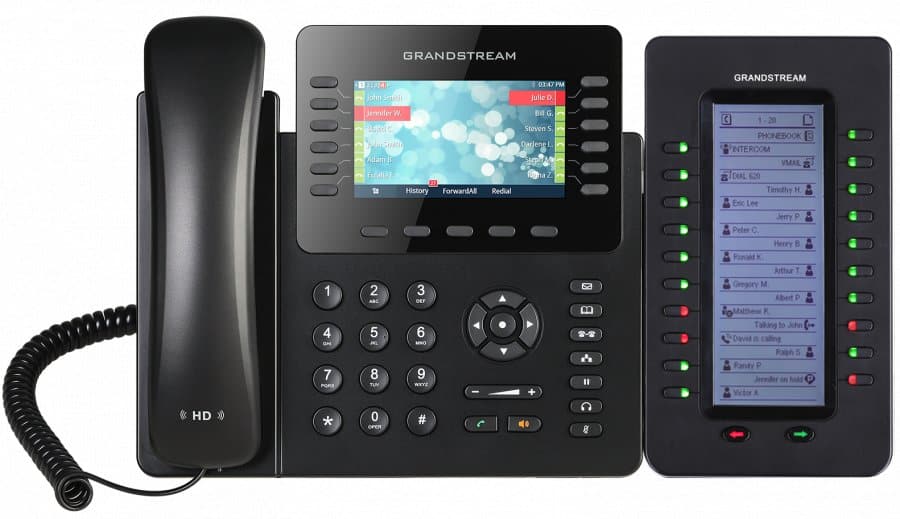
Grandstream’s IP phones are built to meet a wide range of business communication needs, from simple call handling to advanced collaboration features. Many models support high-definition audio, ensuring conversations are clear and natural, even in noisy environments. Their intuitive interfaces, featuring large screens and easy-to-navigate menus, make daily use straightforward for staff. Whether for small teams or large organizations, these devices deliver reliable performance and scalability, keeping everyone connected with minimal fuss.
The lineup includes models tailored for different roles within a company. Entry-level phones cover essential functions like crisp audio, quick dialing, and seamless call transfers—perfect for everyday use. More advanced options come equipped with larger color screens, programmable keys, and Bluetooth connectivity, making them ideal for executives or team leaders who need rapid access to multiple lines and integrated digital tools. This variety lets organizations match device features precisely to user roles, creating a personalized communication environment.
A major strength of Grandstream’s devices is their support for mass deployment. Designed for quick provisioning and remote configuration, they save time and reduce deployment costs. Centralized management platforms like GDMS enable IT teams to set up, update, and monitor hundreds or thousands of phones across multiple locations without on-site visits. This streamlined approach ensures consistency and minimizes downtime, especially during large-scale rollouts or updates.
Cloud-managed options further enhance flexibility. With remote configuration and real-time updates, organizations can adapt their systems swiftly—adding users, changing features, or troubleshooting issues—without dispatching technicians. This reduces operational costs and simplifies ongoing maintenance, making it an ideal choice for distributed or remote teams seeking scalable, reliable communication tools.
The hardware itself is built for durability and ease of use. Many models support Power over Ethernet (PoE), simplifying installation by eliminating extra power sources. They are designed to perform consistently across extensive networks, providing high call quality and straightforward management—even in complex environments. This ensures that as your organization grows, your communication system remains robust and uniform.
Additional features like Bluetooth, Wi-Fi, and programmable keys offer further customization and integration options. Wireless connectivity allows users to connect headsets or other devices effortlessly, improving workflow and flexibility. Programmable keys provide quick access to frequently used functions, speeding up daily operations and enhancing user efficiency.
All these features combine to help organizations craft personalized, scalable communication systems tailored to their specific needs. Whether upgrading existing infrastructure or deploying new setups, Grandstream’s IP phones deliver the performance, manageability, and growth potential necessary for modern, efficient telephony—supporting your business’s ongoing success.