Beyond her legendary beauty and romantic alliances, Cleopatra VII emerges as a formidable ruler whose true power lay in her intellect, strategic acumen, and cultural mastery. Could her legacy be more about her mind than her image? This portrayal reveals a leader who skillfully navigated a turbulent political landscape by forging alliances rooted in diplomacy and diplomacy alone—using knowledge, language, and symbolism to legitimize her reign and bolster Egypt’s independence. Her scholarly pursuits in philosophy, astronomy, and religion weren’t merely personal interests but tools of influence, enabling her to communicate across civilizations and embody divine authority. Her resilience and adaptability allowed her to turn chaos into opportunity, challenging stereotypes of female leadership and demonstrating that true influence stems from wisdom and cultural insight. As her story endures, it invites us to consider how intelligence, resilience, and strategic thinking continue to shape leadership—transcending superficial traits and inspiring generations.
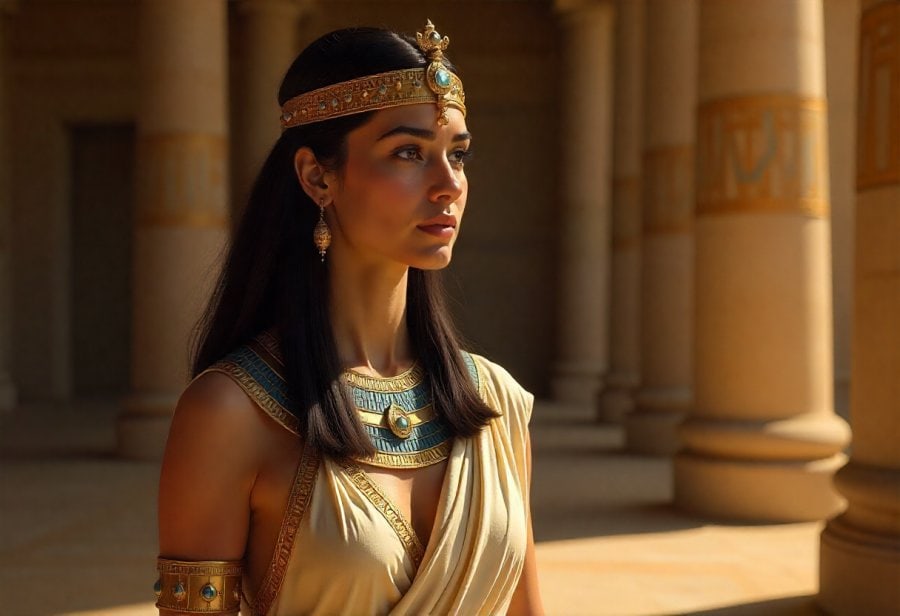
Unveiling Cleopatra VII: The Mind Behind the Legend
Cleopatra VII is often remembered for her beauty and legendary romantic alliances, but her true legacy runs far deeper. She was a ruler whose strength lay in her sharp mind, strategic thinking, and diplomatic skill. As the last pharaoh of Egypt, Cleopatra understood that maintaining her kingdom’s independence required more than charm or appearance—it demanded intelligence, resilience, and a keen sense of politics. Her ability to navigate a turbulent landscape, especially as Rome’s power grew, highlights her as a master strategist rather than just a figure of allure.
Her reign was driven by a fierce determination to preserve Egypt’s sovereignty amid internal unrest and external threats. Cleopatra formed alliances with powerful Roman leaders like Julius Caesar and Mark Antony, but these were carefully calculated moves rooted in statecraft, not vanity. She used diplomacy, cultural understanding, and political finesse to secure her position—knowing influence often came from soft power, not just military might. Her leadership was characterized by adaptability and a deep understanding of her environment.
Beyond her political acumen, Cleopatra was a scholar-queen committed to knowledge and education. Fluent in multiple languages and engaged in philosophy, astronomy, and religion, she exemplified a leader who valued learning as a tool for diplomacy and authority. Her scholarly pursuits weren’t merely personal interests—they strengthened her ability to communicate with diverse cultures and forge meaningful alliances. This intellectual curiosity empowered her to embody both tradition and innovation, earning her respect across different civilizations.
Cultural and religious savvy played a vital role in her leadership. Cleopatra aligned herself with Egyptian gods like Isis, portraying herself as a divine figure to foster loyalty and legitimacy. Her deep knowledge of Egyptian religion and customs allowed her to legitimize her rule, even in times of internal dissent. This mastery of symbolism and tradition, combined with her strategic foresight, made her a leader who commanded both respect and influence—an enduring testament to her intelligence and resilience.
Ultimately, Cleopatra’s true power was her mind—her ability to combine intelligence, cultural insight, and strategic flexibility. Her legacy challenges the misconception that leadership relies solely on superficial traits or brute force. Instead, it underscores that influence rooted in knowledge and adaptability can shape history and inspire generations long after her reign. Cleopatra remains a symbol of how the strength of the mind can define a ruler’s legacy more profoundly than any appearance or romantic legend.
Navigating Turmoil: Egypt’s Political Landscape During Cleopatra’s Reign
During Cleopatra’s reign, Egypt’s political landscape was far from stable. Once a powerful and unified kingdom, Egypt had been weakened by internal struggles, succession disputes, and economic decline. The Ptolemaic dynasty, to which Cleopatra belonged, was riddled with rival factions and court intrigue, making her position precarious from the start. External threats, especially from Rome, loomed large as the empire expanded its reach across the Mediterranean. Cleopatra had to skillfully navigate this turbulent environment to preserve her throne and her homeland’s independence.
Her leadership relied heavily on strategic alliances rather than military might alone. Relationships with Julius Caesar and Mark Antony weren’t driven by personal vanity but by calculated efforts to reinforce her authority and protect Egypt’s sovereignty. She understood that influence came from cultural diplomacy, persuasion, and understanding her rivals’ motives. This approach helped her build trust and reduce the risk of open conflict, even amid mounting external pressure.
Inside the court, rivalries and power struggles threatened her rule. Cleopatra’s mastery of Egyptian customs and her multilingual abilities allowed her to sway factions and secure loyalty. She portrayed herself as a divine figure aligned with Egyptian gods like Isis, reinforcing her legitimacy through religious symbolism. This spiritual authority resonated deeply with her subjects, helping to legitimize her leadership during times of unrest and external threat.
Externally, her diplomatic finesse was vital. Cleopatra often engaged directly with foreign leaders, speaking their languages rather than relying on interpreters. Her confidence and clarity in negotiations fostered trust and minimized misunderstandings, making her a formidable player on the political stage. Her scholarly interests—philosophy, astronomy, and religion—further strengthened her influence by connecting her with intellectual elites across different cultures.
Amid these challenges, Cleopatra’s ability to adapt and respond with foresight kept her reign intact longer than many expected. She knew when to push forward and when to step back, always prioritizing her strategic goals. Her resilience, combined with her cultural and political savvy, allowed her to manage internal dissent and external threats effectively. Her leadership was rooted in her capacity to read her environment and act decisively.
This complex backdrop of internal fragility and external threat set the stage for Cleopatra’s mastery of political strategy. Her success was not just about military strength but about understanding her environment and using influence wisely. Her ability to blend tradition with innovation and to navigate chaos with intelligence and resilience made her one of history’s most remarkable leaders.
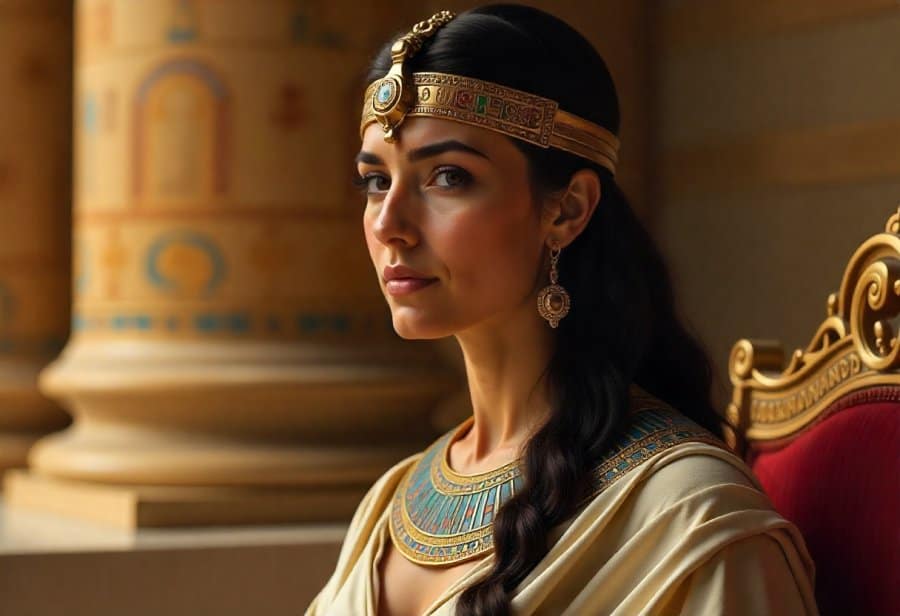
Mastering Power: Analyzing Cleopatra’s Strategic Leadership
Cleopatra’s leadership was a masterclass in strategic insight, cultural awareness, and adaptability. She understood that holding onto her throne and preserving Egypt’s independence depended more on responding wisely to her environment than on asserting raw power. Her alliances with Julius Caesar and Mark Antony weren’t impulsive gestures; they were carefully calculated moves designed to strengthen her position and protect her land from external threats. She knew that diplomacy and cultural diplomacy could often be more effective than military force, allowing her to neutralize rivals with finesse and build influence through persuasion.
Her ability to adapt quickly to shifting political currents was one of her greatest strengths. Cleopatra was an astute observer of opportunities, knowing when to push forward, negotiate, or retreat. Her multilingual skills—fluency in Egyptian, Greek, Latin, and other languages—enabled her to engage directly with foreign leaders, reducing misunderstandings and projecting confidence. This direct communication demonstrated her strategic confidence and made her a formidable negotiator, often outmaneuvering her opponents through clarity and personal rapport.
Cultural and religious understanding played a crucial role in her leadership style. Cleopatra portrayed herself as a divine figure, aligning with Egyptian gods like Isis to legitimize her reign. Her deep immersion in Egyptian religious practices and her ability to embody divine symbolism fostered loyalty among her subjects and helped her navigate internal unrest and external pressures. By blending her Macedonian heritage with Egyptian traditions, she crafted an identity that resonated across different groups, reinforcing her authority and inspiring devotion.
Her scholarly pursuits—philosophy, astronomy, mathematics—weren’t mere personal interests but strategic tools to enhance her influence. Engaging with scholars and scientists allowed her to expand her understanding of the world and strengthen her diplomatic toolkit. Her mastery of multiple languages and cross-cultural communication made her a respected figure across civilizations, enabling her to craft convincing arguments, forge alliances, and navigate complex relationships with ease.
Resilience and flexibility defined her leadership approach. Cleopatra was quick to shift tactics in response to external pressures, turning moments of chaos into opportunities. She recognized that influence often came from understanding the nuances of her environment and acting decisively. Her strategic agility—knowing when to lead assertively and when to listen—kept her empire afloat longer than many expected, demonstrating a level of foresight that continues to inspire.
What set Cleopatra apart was her ability to embody both traditional authority and progressive intelligence. She understood that leadership extended beyond physical power; it was rooted in ideas, culture, and diplomacy. Her skillful use of symbolism, aligning herself with Egyptian gods and cultural values, fostered loyalty and legitimacy. This blend of tradition and innovation created a leadership style rooted in knowledge, resilience, and cultural resonance.
Her capacity to embody these qualities exemplifies how effective leadership is driven by insight, adaptability, and cultural understanding. Cleopatra’s mastery in reading her environment, forging alliances, and responding with confidence allowed her to leave a legacy that endures beyond her time. Her leadership shows that influence rooted in the mind—combining intelligence, strategy, and cultural insight—can shape history in ways that brute strength alone cannot match.
Legacy of Wisdom: How Cleopatra’s Intelligence Shapes Modern Perceptions
Cleopatra’s example continues to reshape how we perceive female power today, especially when leadership is rooted in intellect and strategic thinking. She defied the stereotype that strength relies solely on appearance or authority, showing instead that true influence comes from wisdom, cultural understanding, and resilience. Modern women in leadership roles can look to her as a reminder that knowledge and adaptability often outweigh superficial traits.
Her ability to navigate complex political landscapes without relying on brute force highlights the importance of intellectual agility. Cleopatra’s mastery of diplomacy, language, and cultural symbolism allowed her to forge alliances and maintain influence across different civilizations. Today’s leaders can draw inspiration from her example, recognizing that authentic influence stems from listening, learning, and responding thoughtfully—skills vital in a fast-changing world.
Resilience is another key aspect of her legacy. Cleopatra demonstrated that setbacks are often opportunities to adapt and emerge stronger. Her deep understanding of Egyptian religion and tradition helped foster loyalty even amid internal dissent and external threats. By strategically aligning herself with Egyptian gods like Isis, she reinforced her legitimacy and deepened her connection with her people—an approach still relevant in building trust and authority today.
Her scholarly pursuits—philosophy, astronomy, languages—weren’t just personal interests but deliberate tools that expanded her influence. Engaging with scholars and mastering multiple languages enabled her to communicate across cultures and break down barriers. This commitment to continuous learning and cross-cultural fluency remains a powerful lesson for modern leaders aiming to navigate global challenges with confidence.
Cleopatra’s legacy proves that leadership driven by knowledge, cultural insight, and resilience can break stereotypes and inspire future generations. She shows us that influence isn’t just about titles or appearance but about the strength of the mind and the ability to adapt. Her story encourages both women and men to lead with purpose, authenticity, and strategic insight—values that stand the test of time.
Looking at her life offers a blueprint for contemporary leadership rooted in wisdom and cultural sensitivity. Her ability to embody both traditional authority and progressive intelligence demonstrates that true power lies in understanding and respecting the values of those you serve. Her resilience during times of crisis highlights the importance of flexibility and foresight—qualities vital for effective leadership today.
In a world often captivated by superficial measures of success, Cleopatra’s example remains a beacon. She reminds us that leadership rooted in intelligence, cultural awareness, and resilience is timeless. Her legacy challenges us to rethink what it truly means to be powerful, emphasizing that the most enduring influence comes from the strength of the mind.
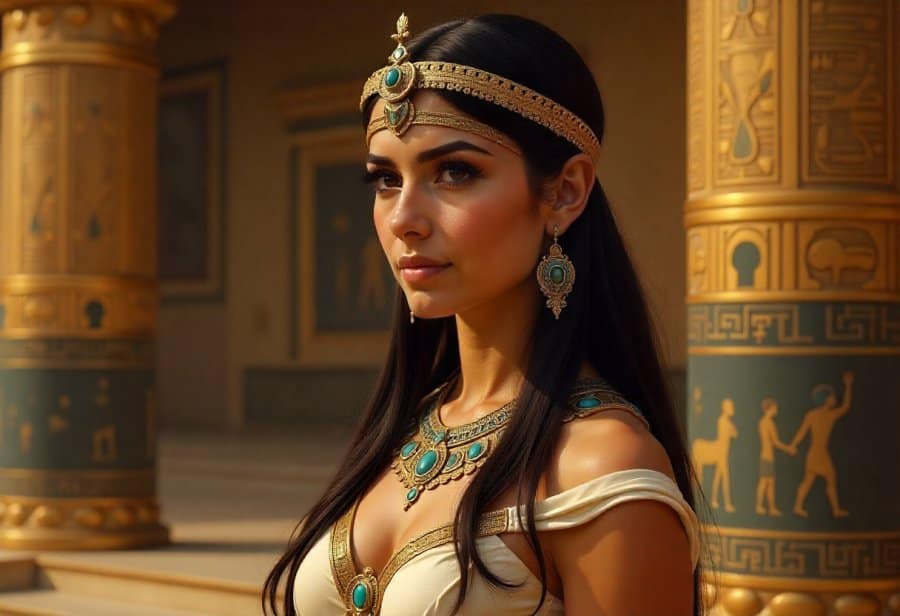
Reflecting on a Queen’s Enduring Influence: Cleopatra’s Timeless Leadership
Cleopatra’s legacy reminds us that true influence stems from the strength of the mind, not superficial traits. Her leadership was built on intelligence, strategic thinking, and cultural insight, proving that lasting power comes from wisdom and adaptability. By forging alliances with Rome’s most influential figures and navigating complex political landscapes with finesse, she demonstrated that knowledge and resilience can shape history in profound ways.
Her scholarly pursuits and multilingual skills underscored her deep commitment to understanding the world around her. Cleopatra’s ability to communicate directly across cultures and her mastery of Egyptian religion and customs allowed her to legitimize her reign and foster loyalty among her people. These traits transformed her from a mere political figure into a master diplomat whose influence transcended borders and time.
What sets Cleopatra apart is her embodiment of both traditional authority and progressive intelligence. She knew that leadership went beyond mere power—it required ideas, cultural resonance, and the ability to adapt swiftly. Her skillful use of symbolism and her strategic engagement with religious and cultural traditions reinforced her legitimacy, showing that influence rooted in understanding and respect can endure long after her time.
Her resilience in the face of internal dissent and external threats highlights the importance of flexibility and foresight in leadership. Cleopatra’s capacity to recognize opportunities amid chaos and respond with confidence kept her empire afloat longer than many expected. Her strategic agility—knowing when to lead assertively and when to listen—continues to inspire leaders today, emphasizing that influence is as much about perception as power.
Her story challenges outdated stereotypes about female leaders, illustrating that true leadership is driven by insight, resilience, and purpose. Cleopatra’s example encourages us to prioritize wisdom over superficial qualities and to lead with authenticity and strategic thinking. Her legacy endures because she proved that the most enduring influence comes from the strength of the mind, inspiring generations to value knowledge, cultural understanding, and adaptability as the keys to lasting leadership.