Could true leadership be rooted more in inner discipline than external conquest? Marcus Aurelius exemplifies this paradox—ruling an empire amid chaos with unwavering self-mastery and Stoic virtues. His writings reveal that strength arises from governing oneself first, cultivating resilience, humility, and moral clarity, rather than seeking glory through victories. This inward focus enabled him to face wars, plagues, and political strife with calm authority, inspiring loyalty that endures beyond his reign. Today, developing inner discipline through habits like mindfulness, reflection, and emotional regulation transforms personal and professional resilience. Leaders who master their minds radiate trust and stability, turning setbacks into opportunities for growth. History and philosophy affirm that lasting influence depends less on external achievements and more on the mastery of oneself. Could embracing this inner strength elevate leadership from mere power to a legacy of wisdom and virtue? This timeless lesson invites us to look inward for the true source of lasting leadership.
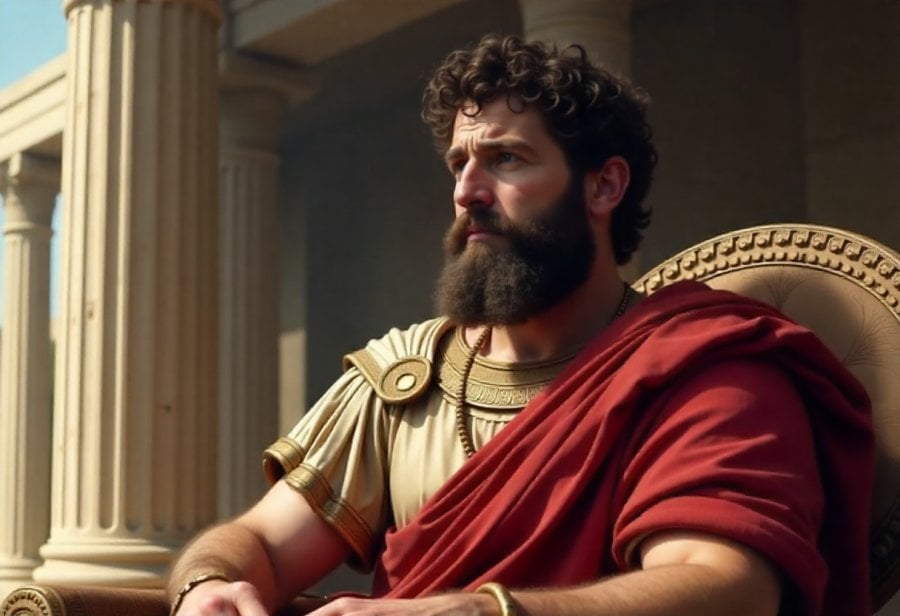
Inner Discipline: The Hidden Foundation of Great Leadership
When we think about great leaders from history, we often focus on their outward achievements—territories expanded, battles won, influence wielded. These visible signs of power are easy to measure and tend to dominate our stories of leadership. But what if the true strength of a ruler isn’t in what they conquer externally, but in how they govern themselves internally? This idea challenges the traditional view of power, suggesting that inner discipline—self-control, resilience, and moral clarity—forms the foundation for lasting influence.
This perspective isn’t just philosophical speculation. Many ancient and modern leaders demonstrate that internal strength can be more enduring than external victories. Marcus Aurelius, for example, faced crises that could have overwhelmed him—wars, plagues, political unrest—yet his real power came from his unwavering commitment to Stoic virtues. His writings in Meditations reveal a man dedicated to mastering his mind and emotions, not just commanding armies. His inner resilience allowed him to lead with calm and purpose, inspiring loyalty that outlived his reign.
The idea that inner discipline is crucial to leadership isn’t new. Philosophers from Stoicism to contemporary psychology emphasize that self-mastery, mental toughness, and moral virtue are keys to resilience and influence. Leaders who develop these qualities—patience, humility, moral clarity—are better equipped to handle crises and make thoughtful decisions. Their strength isn’t measured solely in external results but in the stability they cultivate within themselves, which then radiates outward.
In today’s world, this lesson remains highly relevant. Leaders who stay grounded amid uncertainty, connect authentically with others, and act with integrity tend to build more trust and loyalty. Inner discipline isn’t reserved for monks or philosophers; it’s a practical skill anyone can develop through habits like reflection, emotional regulation, and resilience. Cultivating these virtues creates a mental fortress that can withstand external pressures, turning internal strength into a true source of leadership power.
From Stoicism to Modern Leadership: The Inner Power That Endures
Throughout history, leadership has often been measured by tangible achievements: land gained, battles won, or influence expanded. These external signs of strength make for compelling stories and clear markers of power. However, many philosophical traditions, especially Stoicism, shift the focus inward, emphasizing that true leadership begins with self-mastery. Originating in Greece around the early 3rd century BCE, Stoicism advocates for self-control, rationality, and moral virtue as essential tools for navigating life’s challenges. This philosophy wasn’t just theoretical; it provided practical guidance for rulers and statesmen alike.
Marcus Aurelius, the Roman Emperor and Stoic thinker, exemplifies how these principles applied on a grand scale. His writings in Meditations reveal a man committed to mastering his mind, cultivating inner resilience, and acting with integrity. Rather than seeking external conquest, his focus was on governing himself first. This inward discipline enabled him to face wars, plagues, and political unrest with calm clarity, demonstrating that true strength comes from internal stability.
The influence of Stoicism extended beyond Greece and Rome, resonating with leaders throughout the ages. Its core ideas—wisdom, self-control, mental fortitude—offered a blueprint for maintaining moral integrity amidst external chaos. Thinkers like Seneca and Epictetus adopted these principles, but Marcus Aurelius brought them into the realm of practical leadership. His Meditations serve as a manual for self-discipline, reminding us that governing one’s own reactions is the foundation of genuine authority.
Modern leadership theories echo these ancient insights. Today’s successful leaders emphasize emotional intelligence, self-awareness, and resilience—traits rooted in the Stoic virtues of patience and humility. They understand that external achievements are fleeting, but inner groundedness fosters trust and loyalty. Cultivating inner discipline isn’t reserved for monks or philosophers; it’s a practical skill accessible to anyone willing to develop habits like reflection, emotional regulation, and resilience.
This shift from valuing external conquest to emphasizing inner discipline reflects a broader understanding: lasting influence depends on how well leaders govern themselves first. Inner resilience and moral clarity become the bedrock of authentic leadership, capable of weathering storms and inspiring loyalty. As history and philosophy show, true strength lies not just in what is achieved outwardly but in the mastery of oneself inwardly.
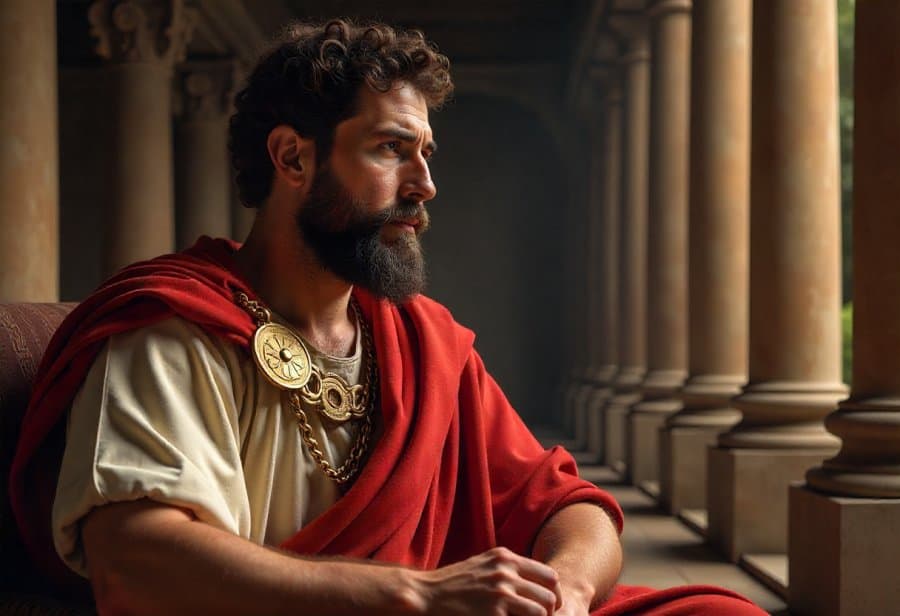
Marcus Aurelius: The Philosopher-King’s Inner Strength and Lasting Legacy
Marcus Aurelius stands as a quintessential example of a ruler whose true strength was rooted in inner discipline. Ascending to the Roman throne in 161 AD amid a turbulent era marked by relentless wars, devastating plagues, and political unrest, he faced external chaos with a calm centeredness born from his commitment to Stoic philosophy. His personal reflections, captured in Meditations, reveal a leader dedicated to self-mastery—constantly examining his virtues like humility, patience, and moral clarity. This inner resilience enabled him to govern with purpose and clarity, even when the empire seemed on the brink of collapse.
Throughout his reign, Marcus prioritized governing himself above all else. His military campaigns, demanding as they were, aimed at protecting Rome’s borders rather than building personal glory. Yet his real power came from his ability to remain composed amid chaos. His writings show a man who believed that leadership begins with mastering one’s own mind and emotions. By focusing inward, he cultivated a moral authority that inspired loyalty and respect, leaving behind a legacy that transcended his military achievements.
Marcus’s daily routines centered on meditation and reflection. He would spend time contemplating virtues, analyzing his actions, and accepting circumstances beyond his control. These practices fortified his mental resilience, enabling him to face crises with unwavering calm. His humility and self-awareness fostered a sense of moral authority that resonated with those he led. Even in moments of personal hardship or external threats, his ability to stay centered demonstrated that inner discipline was the foundation of true leadership.
His leadership style balanced compassion with discipline. Marcus believed that acting with wisdom and virtue was the true mark of strength, not ego or conquest. This internal discipline allowed him to resist impulsive reactions and uphold his moral principles, even under pressure. The result was a governorship characterized by integrity, which earned the enduring loyalty of his followers. His example underscores how mastery over oneself elevates a ruler from mere external power to a figure of lasting influence.
Marcus Aurelius teaches us that internal discipline was the key to his authority. His capacity to govern his emotions, remain humble, and uphold moral clarity under relentless strain made him a philosopher-king admired across centuries. His resilience was about more than enduring external hardships; it was about cultivating a steady, focused mind capable of guiding an empire through turbulent times. This inner strength became his greatest legacy, illustrating that true power lies in wisdom and self-control rather than conquest.
Cultivating Inner Resilience Today: Practical Steps for Modern Leaders
Building inner strength today doesn’t require sweeping changes—it’s about cultivating small, consistent habits that gradually become part of your routine. Starting with mindfulness or meditation is one of the most straightforward yet powerful steps. Spending just a few minutes each day focusing on your breath or observing your thoughts creates mental space, allowing you to respond thoughtfully rather than react impulsively. Over time, this practice strengthens emotional resilience and clarity, making it easier to stay grounded amid chaos or stress.
Reflection is another key tool in developing inner discipline. Taking time to journal or quietly review your actions helps you identify patterns—both strengths and areas for improvement. This ongoing self-awareness builds a foundation of virtues like patience, humility, and moral clarity. When you understand your tendencies, you can make deliberate choices aligned with your values, even when faced with difficult situations. It’s about creating a personal discipline that guides your reactions and decisions.
Resilience isn’t just bouncing back from setbacks; it’s about shifting your mindset to see challenges as opportunities to grow. When difficulties arise, pause and ask what lessons they might hold rather than dwelling on frustration or blame. This mental shift fosters a stronger, more adaptable outlook, enabling you to maintain focus and move forward with purpose. Practicing this perspective regularly turns obstacles into stepping stones, reinforcing your inner strength.
Leading with wisdom involves a commitment to continuous learning, humility, and seeking honest feedback. Approaching challenges with a growth mindset transforms failures into lessons and setbacks into chances for development. Cultivating curiosity and self-awareness ensures your decisions are rooted in integrity, not ego or impulsiveness. These habits reinforce your inner discipline, giving you a steady compass in unpredictable circumstances and helping you act with clarity and purpose.
Incorporating these practices doesn’t demand drastic effort—small, deliberate actions accumulate over time. Whether it’s taking five minutes for meditation, journaling at night, or pausing before responding to a tense situation, each step strengthens your mental fortitude. As these habits become ingrained, they elevate your leadership and personal growth, turning inner discipline into an accessible, everyday superpower. Over weeks and months, this consistent effort transforms resilience from an abstract idea into a tangible skill—one that shapes how you lead, respond, and grow.
Real-World Impact: How Inner Discipline Drives Success and Inspires Loyalty
Inner discipline shapes not just how leaders think but how they act, often making the difference between success and failure in real-world situations. When leaders can regulate their emotions and maintain focus under pressure, they make smarter, more deliberate decisions. This steadiness boosts confidence within their teams and inspires trust, even in turbulent times. Many entrepreneurs and executives credit daily habits like reflection, mindfulness, and emotional regulation for their ability to stay calm during crises and steer their organizations through uncertainty.
On a personal level, cultivating inner resilience helps individuals develop healthier habits, manage stress more effectively, and build stronger relationships. When resilience becomes part of your mindset, setbacks shift from being insurmountable obstacles into opportunities for growth. Leaders who embody this mindset often turn mistakes into lessons, rebounding with greater strength. Their calm demeanor in difficult moments creates stability for those around them, fostering loyalty and confidence in their leadership.
History offers powerful examples of how inner discipline fuels perseverance. Nelson Mandela’s 27 years of imprisonment tested his patience and resolve, yet his unwavering moral clarity turned him into a unifying figure. His internal strength sustained his influence over decades. Similarly, modern innovators like Elon Musk demonstrate extraordinary mental resilience—pushing through failures and setbacks to bring groundbreaking ideas to life. These stories remind us that inner strength isn’t just about self-control; it’s about channeling that control into persistent effort and innovation.
In everyday decision-making, resilience acts as a catalyst for better choices. When faced with tough situations, a calm, resilient mindset allows you to pause, evaluate options, and act according to your core values. Techniques like deep breathing or mindful reflection help maintain focus and prevent impulsive reactions. This ability to stay composed underpins effective communication, patience, and empathy—traits that deepen relationships and enhance leadership influence.
Mistakes and failures are inevitable, but those with strong inner discipline see them as essential learning moments. Instead of reacting defensively or feeling overwhelmed, they analyze what went wrong and adjust their approach. Over time, this resilience builds confidence and sets a powerful example for others, demonstrating that setbacks are only stepping stones. Their consistent ability to recover and grow reinforces the idea that true strength lies in resilience and the capacity to evolve.
Experts emphasize that cultivating inner strength is vital for sustained success. Psychologists like Carol Dweck highlight the importance of a growth mindset—viewing challenges as opportunities to develop resilience. Philosophers such as Ryan Holiday advocate daily reflection and virtue practice as tools for building mental fortitude. Leaders like Satya Nadella show how self-awareness and emotional intelligence foster trust and inspire teams. These insights confirm that investing in inner discipline creates leaders who are resilient, trustworthy, and capable of enduring the test of time.
Ultimately, inner discipline transforms leadership into a force that withstands adversity and leaves a lasting impact. When leaders govern themselves with patience, humility, and moral clarity, they set a standard others aspire to follow. This inner strength doesn’t just help them survive tough times; it elevates them into figures of genuine influence—leaders whose legacy is rooted in wisdom, resilience, and authentic power.