The backyard mechanic’s garage is more than just a shed; it’s a sacred space where passion, craftsmanship, and tradition come alive. From its humble origins as a simple repair spot, it has evolved into a personalized sanctuary blending old-school skills with cutting-edge technology. Today’s garages boast advanced tools like digital scanners, portable welders, and even 3D printers, transforming DIY projects into professional-grade endeavors. Yet, beneath the tech-driven surface lies a core of patience, resilience, and love for revival—where rust is turned into resurrection and vintage machines find new life. The stories of these spaces reveal a deep connection to legacy, community, and continual learning, as enthusiasts share knowledge across digital platforms and local clubs. What secrets lie behind these walls? As the future promises smarter tools and digital integration, the garage remains a timeless haven of innovation and craftsmanship, fueling passions that transcend generations.
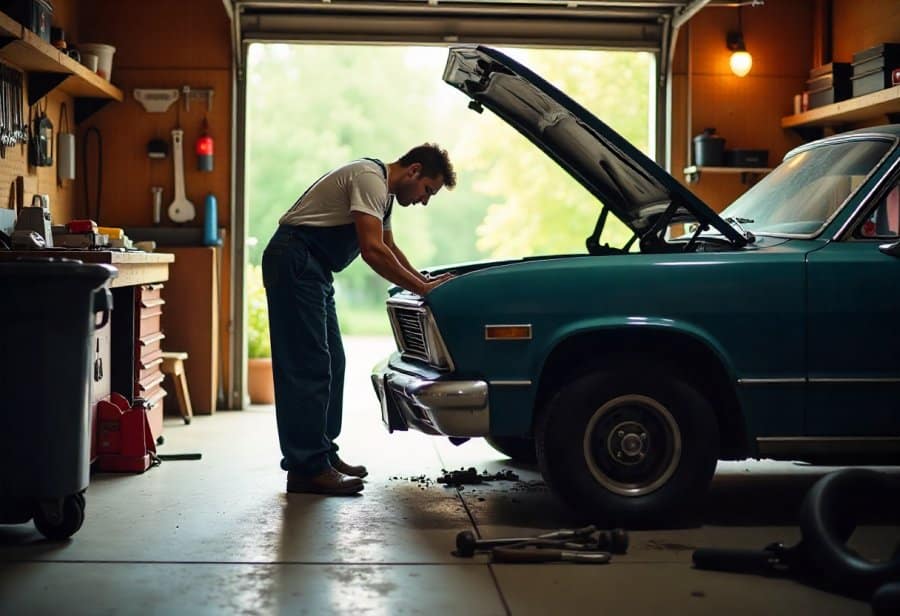
Discover the Backyard Mechanic’s Sanctuary: A Personal Retreat of Passion and Craftsmanship
A backyard garage is more than just a shed filled with tools; it’s a personal sanctuary where passion for mechanics and craftsmanship come alive. For many enthusiasts, this space offers a retreat from daily chaos—a place to focus, create, and breathe new life into old machines. The air is often thick with motor oil and the scent of freshly cut metal, while the rhythmic clatter of wrenches creates a calming, almost meditative soundtrack.
This isn’t merely a workshop—it’s a reflection of its owner’s personality. Many hobbyists personalize their garages with vintage posters, retro tools, or modern diagnostic gadgets, transforming the space into a haven that inspires creativity. Over time, it becomes a sanctuary of comfort and pride, where every project feels meaningful and every detail reflects their unique style.
Within these walls, routines take on almost ritualistic significance. Mechanics often start by gathering their tools—wrenches, screwdrivers, and specialty bits—each chosen carefully for the task ahead. Organizing and cleaning the work area helps foster a sense of order amid scattered parts and rusted components. As they disassemble, clean, and reassemble, they enter a flow that connects them deeply with their machines and their craft.
More than just fixing cars, this space nurtures a love for craftsmanship passed down through generations. Restoring vintage vehicles becomes a way to honor family traditions, with each bolt turned and every engine started building skills and memories that last a lifetime. It’s a place where patience, resilience, and improvisation flourish—turning setbacks into opportunities and rust into revival.
The garage’s significance extends beyond the physical space. It’s a hub of community and learning, where knowledge is shared, skills are honed, and passion is contagious. Whether working alone or alongside friends and family, the backyard garage remains a timeless sanctuary—where the love of mechanics is kept alive, one project at a time.
Tracing the Evolution of the Backyard Garage: From Practical Sheds to Automotive Culture Hubs
The backyard garage has long been a cornerstone of automotive culture, evolving alongside society’s changing relationship with cars. In the early days, these spaces were simple structures—basic sheds or lean-tos—built mainly out of necessity. Owners used them for routine maintenance or quick repairs, driven by independence and self-reliance. Back then, a garage was less about craftsmanship and more about practicality, a place where drivers could handle breakdowns without waiting for professional help.
As automobiles grew more complex, so did the garages that housed them. Early tools were limited to hand wrenches, screwdrivers, and jacks, but technological advances brought new equipment into these spaces. Power tools like electric drills and pneumatic spray guns sped up repairs and increased precision. Enthusiasts began transforming their garages into dedicated workshops, taking on ambitious projects such as engine swaps and custom builds that required more advanced machinery. These spaces turned into personal laboratories, blending traditional skills with modern tech.
The post-war era marked a surge in DIY restoration efforts, fueled by increased car ownership and a rising pride in craftsmanship. More people learned to maintain and upgrade their vehicles, sharing tips through local clubs and print guides. Affordable tools and a growing community fostered a culture centered on hands-on mechanical work and authenticity. This period cemented the backyard garage as a vital space where skills are passed down and traditions are kept alive, creating a grassroots movement of passionate hobbyists.
In recent decades, technological progress has further reshaped these spaces. Modern hobbyists now incorporate digital diagnostic scanners, portable welders, and even 3D printers for custom parts. These innovations make complex projects more accessible, allowing home mechanics to undertake restorations once reserved for professional shops. Garages have become more organized, with dedicated zones, better lighting, and climate controls, turning them into efficient, inspiring workshops that support both vintage restorations and modern upgrades.
Throughout this evolution, the garage has remained a symbol of independence and personal pride. It’s a place where knowledge is passed down, skills are refined, and a love for cars persists. Despite technological shifts, the essence of the space—a sanctuary of patience, resilience, and craftsmanship—remains unchanged. Restoring a vintage vehicle or tinkering with modern tech continues to forge a deep connection between the mechanic and their machine, ensuring the backyard garage’s enduring role in automotive culture.
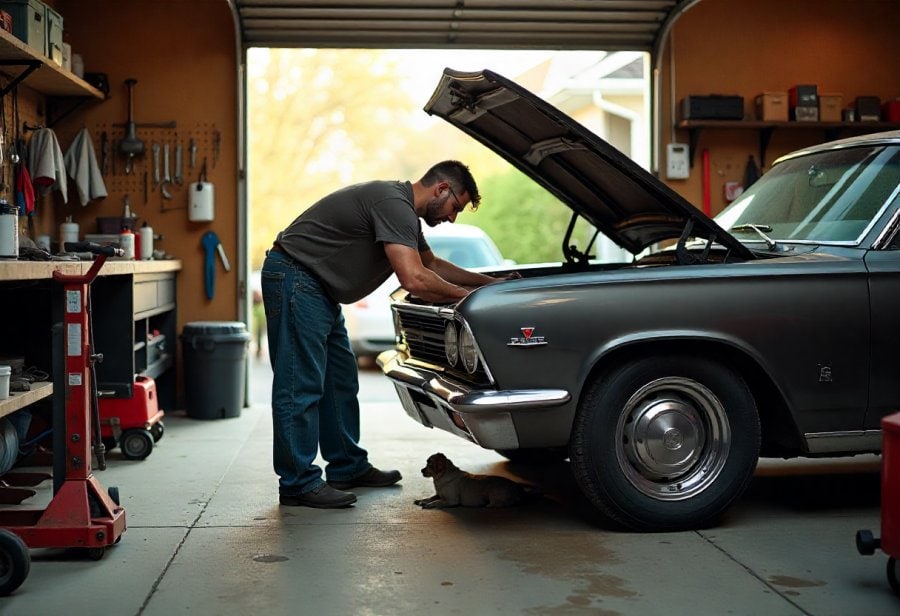
The Modern Garage Unveiled: A Fusion of Tradition, Technology, and Creativity
The modern garage has transformed into a true sanctuary for today’s car enthusiasts, seamlessly blending traditional craftsmanship with cutting-edge technology. Many hobbyists now equip their spaces with advanced tools like digital diagnostic scanners, portable welders, and high-quality air compressors, making repairs more precise and efficient. These innovations enable a level of craftsmanship that once required professional workshops, turning garages into personal laboratories of innovation and restoration.
Tools have evolved significantly from the simple wrenches and screwdrivers of the past. Today’s backyard mechanics rely on cordless impact wrenches, electric drills, and pneumatic tools that deliver power and speed without sacrificing control. Digital multimeters and advanced diagnostic devices are now standard, allowing enthusiasts to troubleshoot complex electronic systems with ease. Bright LED lighting replaces old fluorescent fixtures, illuminating work areas evenly and reducing eye strain, while organized workbenches and dedicated zones streamline workflows and boost productivity.
The role of the garage in today’s car culture extends beyond basic repairs. It has become a hub for creative expression, where custom builds, restorations, and performance upgrades come to life. Many garages serve as semi-professional workshops, blending artistry with technical skill. These spaces foster innovation, allowing hobbyists to experiment with new ideas, whether it’s upgrading classic cars or designing modern modifications. The garage is a place where skills are honed and passions are pushed to new heights.
Flexibility and comfort are now priorities. Modern garages often feature lifts and jacks that make working underneath vehicles safer and easier, while climate control and ventilation systems ensure a comfortable environment for long projects. Modular workbenches and smart storage solutions keep tools accessible and clutter-free, creating a professional-grade workspace at home. This setup encourages hobbyists to take on more ambitious projects, knowing they have a well-organized and efficient environment.
Digital platforms and online communities have amplified the garage’s significance. Virtual tutorials, forums, and social media groups enable enthusiasts to share knowledge, troubleshoot problems, and showcase their projects globally. This interconnectedness breaks down geographical barriers, making advanced techniques accessible to everyone. The garage becomes more than a physical space; it’s part of a vibrant, collaborative culture centered on learning, innovation, and mutual inspiration.
Despite these technological advancements, the core spirit of the modern garage remains rooted in patience and hands-on craftsmanship. Many hobbyists still value the tactile feel of traditional tools and the satisfaction of a job well done. These spaces offer a retreat from digital distractions, allowing for deep focus and creative freedom. The garage continues to be a place where ingenuity thrives—where old-school skills meet new tools in the ongoing pursuit of automotive revival.
In essence, the modern garage embodies the perfect mix of tradition and innovation. It’s a dynamic environment that adapts to technological trends while preserving the timeless love of mechanics. Whether restoring a vintage car or experimenting with electric vehicle tech, enthusiasts find inspiration and fulfillment in their personal sanctuaries. As technology evolves, so does the craft, but the garage’s role as a haven of passion, resilience, and craftsmanship remains unchanged.
Inside the Garage: Real-World Stories of Passion, Perseverance, and Revival
Inside many backyard garages, the stories and experiences of mechanics reveal how deep their passion truly runs. One enthusiast recalls spending months restoring a vintage Mustang, describing how each bolt turned felt like uncovering a hidden piece of history. When that engine finally roared back to life, the sense of accomplishment was undeniable — proof that patience and dedication can bring old machines back to life. For others, working in the garage is personal; a grandfather’s old scooter becomes a testament to family ties, turning every repair into a tribute to tradition and craftsmanship.
Many backyard mechanics develop routines that border on rituals. One describes how a typical session begins with a thorough inventory of tools—wrenches, screwdrivers, and specialty bits—each chosen deliberately for the task ahead. Cleaning parts and organizing the workspace creates a calm, focused environment amid scattered parts and rusted components. As they disassemble, clean, and reassemble, a rhythm emerges—almost meditative—that deepens their connection to the machine and the craft.
The results of these projects can be striking. Some garages showcase vintage cars that look almost showroom-ready, gleaming under bright LED lights, poised for the road or a car show. Pride radiates from owners who have breathed new life into rusted shells, transforming them into rolling works of art. But setbacks are common—stubborn rust, missing parts, or unexpected mechanical quirks—that test patience and ingenuity. Many learn to improvise, using spare parts or adjusting techniques on the fly, turning obstacles into opportunities for growth.
Beyond the technical work, garages are reflections of personal style and philosophy. Some enthusiasts chase authenticity, sourcing original parts and restoring every detail. Others prefer a blend of vintage aesthetics with modern upgrades, creating unique hybrids that stand out. Whether they rely on traditional hand tools or advanced diagnostics, each project is a canvas for individual expression, making every restoration a personal statement.
Getting started often means embracing small, manageable steps. Many veterans recommend beginners begin with simple repairs like oil changes or brake fixes to build confidence. Connecting with local car clubs or online forums provides encouragement and shared knowledge, transforming solitary efforts into community-driven pursuits. Over time, patience and curiosity turn the garage into a space of continuous learning, where every bolt and engine roar adds to a story of perseverance and passion.
Within these garages, the shared stories and experiences form a rich tapestry of community and craftsmanship. From the thrill of a successful rebuild to the frustration of unforeseen setbacks, each mechanic’s journey reflects resilience and dedication. These spaces are more than work areas—they’re sanctuaries where passion is nurtured, skills are passed down, and the love for mechanical revival continues to thrive.
Every scratch, dent, and polished surface tells a story of perseverance and pride. These garages are repositories of personal and collective history, where old machines are reborn through dedication and skill. It’s in these spaces that the true magic happens—where rust is transformed into revival and vintage cars become symbols of timeless craftsmanship. The stories that unfold here remind us that behind every project lies a passion fueled by love, patience, and the joy of bringing something old back to life.
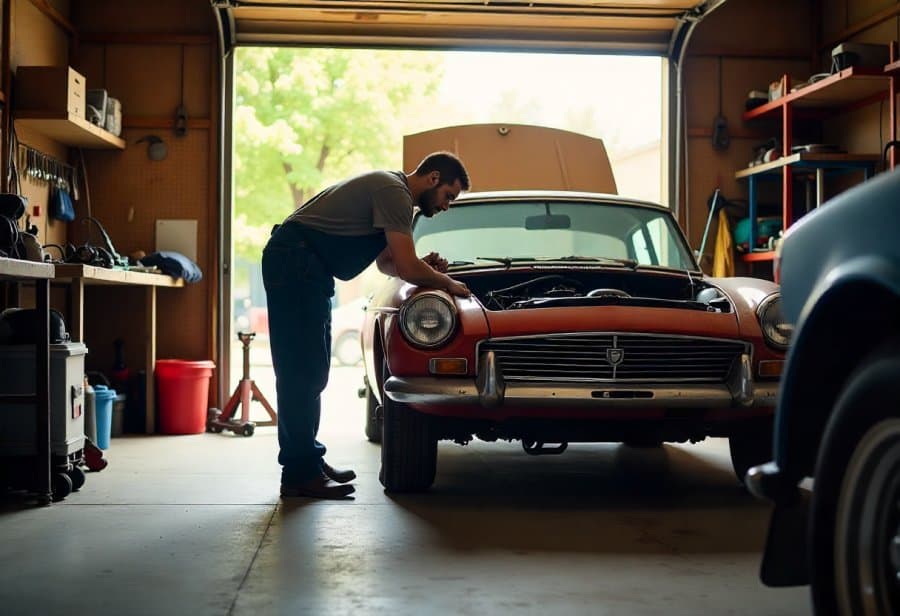
The Future of the Backyard Garage: Innovation, Connectivity, and Evolving Craftsmanship
The future of the backyard garage is shaping up to be as innovative as it is inspiring, driven by a wave of technological advancements that promise to expand what home mechanics can achieve. Cordless impact wrenches, compact digital diagnostic scanners, and even 3D printers for custom parts are becoming standard tools, breaking down barriers that once confined complex projects to professional workshops. These tools make restoring and modifying vehicles more accessible, turning the garage into a personal innovation lab where rust transforms into revival with greater ease and precision.
As electric and hybrid vehicles continue to grow in popularity, backyard garages are evolving into mini tech hubs that focus on electronic systems and battery management. Mechanics are learning to navigate complex wiring, charging setups, and software updates—skills that blend traditional mechanical know-how with digital proficiency. This shift ensures the garage remains a sanctuary of learning and experimentation, adapting seamlessly to the changing landscape of automotive technology.
The interconnectedness of today’s digital world further reshapes the garage experience. Online forums, virtual tutorials, and augmented reality apps now serve as virtual mentors, guiding hobbyists through intricate repairs and upgrades. Sharing projects on social media creates a global community of enthusiasts, fostering collaboration and innovation beyond local borders. This digital exchange not only democratizes expertise but also sparks new ideas, pushing home mechanics to explore uncharted territory.
Smart tools and automation are beginning to find their way into the backyard scene. Automated diagnostics, robotic welders, and AI-assisted systems are making complex tasks safer and faster. These technologies complement traditional skills, reducing error margins and broadening the scope of what can be accomplished in a personal workspace. Enthusiasts are now more empowered than ever to take on ambitious projects that once seemed out of reach.
Design within the garage is also transforming. Modular workbenches, smart storage solutions, and climate control systems turn these spaces into professional-grade workshops. Better lighting, ergonomic setups, and dedicated zones for specific tasks create environments that enable longer, more comfortable work sessions. These upgrades turn a simple backyard shed into a highly functional sanctuary of craftsmanship and innovation.
Meanwhile, the way we learn and share continues to evolve. Virtual tutorials, online classes, and augmented reality applications make mastering new skills more accessible. Enthusiasts connect with experts worldwide, exchanging knowledge and inspiring experimentation. This ongoing digital dialogue keeps the spirit of craftsmanship vibrant, ensuring the garage remains a dynamic space of growth, discovery, and community.
Despite all the new technology, the essence of the backyard garage endures. It remains a place rooted in patience, creativity, and resilience—a space where old machines come back to life through a mix of tradition and innovation. The love for craftsmanship continues to drive hobbyists, fueling a passion that adapts with each new trend but never loses its core identity. As vehicles evolve, so will the garage, but its role as a personal sanctuary of revival and discovery will stay strong, inspiring generations to keep the love of mechanics alive.