Probiotics are often hailed as the key to optimal gut health, but their benefits are more nuanced than many realize. While consuming live microorganisms through fermented foods or supplements can support digestion, immunity, and microbial balance, their effectiveness varies greatly depending on strains, individual responses, and usage timing. Are probiotics truly necessary for everyone, or are they just a temporary fix for specific disruptions like antibiotics or stress? As research advances, a future of personalized, targeted probiotic therapies emerges, promising more precise health benefits. However, overreliance or improper use can lead to mild discomfort or wasted resources. This leaves us with a vital question: should we view probiotics as essential everyday allies or supportive tools reserved for particular needs? Ultimately, understanding their limitations and strategic application is crucial—making probiotics a carefully considered component of a holistic approach to long-term wellness.
Unlocking Gut Health: The Power of Probiotics
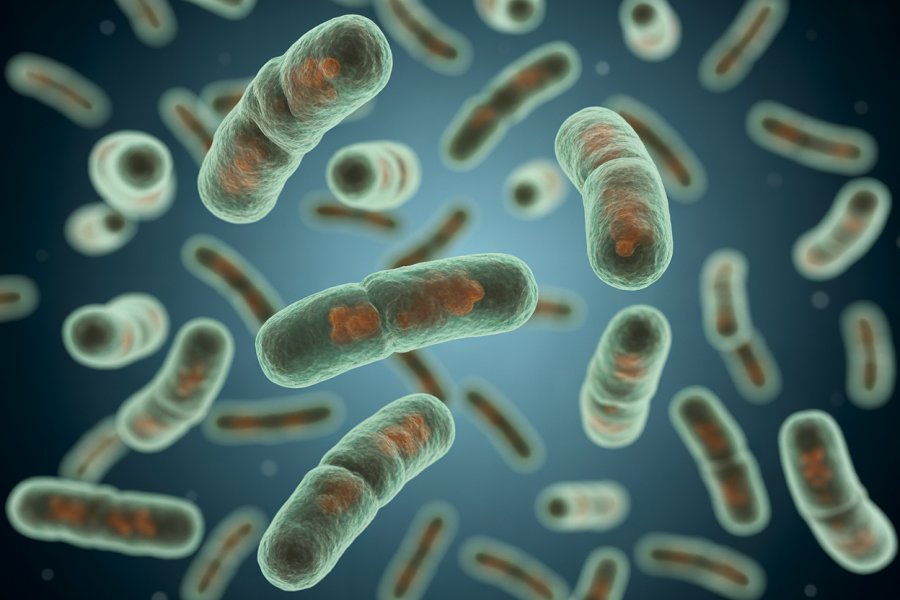
Probiotics are live microorganisms, often called “good bacteria,” that support our digestive health when we consume enough of them. They naturally reside in fermented foods like yogurt, kefir, sauerkraut, and kimchi, but they are also available as dietary supplements. The idea is simple: by increasing the number of beneficial microbes in our gut, probiotics help maintain a healthy balance within the complex ecosystem known as the gut microbiome. This balance is crucial for digestion, nutrient absorption, and immune function.
Our gut microbiome is a lively, diverse community filled with trillions of bacteria and other microbes. These tiny organisms do more than just process food—they produce vitamins, regulate immune responses, and even influence our mood and energy levels. When this microbial community is in harmony, it supports overall health. But factors like poor diet, stress, antibiotics, or illness can disrupt this balance, leading to digestive issues and a weakened immune system. That’s where probiotics come into play—they act as supportive allies to help restore or maintain this delicate microbial environment.
Probiotics work by introducing beneficial bacteria that can outcompete harmful microbes, helping to diversify the gut flora. When these microbes successfully colonize the digestive tract, they support digestion, reduce bloating, and bolster immune defenses. For many, especially after illness or antibiotic use, taking probiotics can speed up recovery by filling the gaps left by disrupted bacteria. While they are a natural and accessible way to support gut health, their effects tend to be strain-specific and often mild or temporary, especially in healthy individuals with a balanced diet.
Understanding probiotics involves seeing them as supportive tools rather than cures. They’re most helpful during vulnerable times—such as after illness, during stress, or when diet lacks diversity. Incorporating fermented foods into daily meals provides a natural source of probiotics, often making supplements unnecessary for those maintaining a balanced diet. However, the effectiveness of probiotic products depends heavily on the strains used, product quality, and proper storage to keep bacteria alive and viable.
Probiotics are not a one-size-fits-all solution. Their benefits are most noticeable when needed—like after antibiotics or during periods of digestive discomfort. They are most effective when used strategically, whether for a few weeks after illness or during stressful times, rather than as a continuous, lifelong supplement. For many, a diet rich in fermented foods can provide enough probiotic support naturally, reducing the need for additional supplements.
While probiotics are generally safe, it’s important to recognize their limits. They are not magic pills; their benefits are subtle and often temporary. Overuse or reliance on supplements without addressing broader lifestyle factors may diminish their effectiveness. Proper product selection, storage, and timing are key to maximizing their potential. When used thoughtfully, probiotics serve as helpful tools that support your gut’s resilience, complementing a balanced diet and healthy lifestyle for long-term wellness.
Strain-Specific Benefits and Limitations of Probiotics
Probiotics offer a variety of benefits, but these advantages are often specific to certain strains and individual responses. Some strains are well-known for helping to reduce bloating and improve regularity, while others support immune function or aid in recovering after antibiotic use. However, not all probiotics deliver the same effects, and their success depends largely on choosing the right strains for your particular needs. This strain-specific nature means that what works wonders for one person might have little impact on another, highlighting the importance of targeted selection.
While many people experience subtle improvements, the effects of probiotics are generally mild and tend to be temporary in healthy individuals with a balanced diet. When the gut microbiome is already in good shape, adding probiotics might not lead to dramatic changes, and stopping supplementation often results in the benefits fading. Overuse or unnecessary supplementation can sometimes cause side effects like gas, bloating, or mild digestive discomfort, especially if the products are of poor quality or improperly stored. It’s crucial to choose reputable brands that guarantee the presence of specific, well-studied strains and follow proper storage instructions to ensure bacteria remain viable.
Probiotics are especially useful during times when the gut is more vulnerable, such as after illness, during antibiotic treatment, or periods of stress. They help replenish beneficial bacteria that antibiotics or illness may have depleted, supporting quicker recovery and restoring microbial diversity. However, they are not a cure-all and should be viewed as a supportive tool rather than a substitute for medical treatment. For healthy individuals without recent disruptions, routine probiotic supplementation might be unnecessary, as a diet rich in fermented foods can often provide sufficient support.
It’s also worth noting that probiotics are not the same as antibiotics. While antibiotics are designed to kill harmful bacteria, they often wipe out beneficial microbes as well, leaving the gut vulnerable. Probiotics, on the other hand, help rebuild those beneficial bacteria after antibiotic use, aiding in a faster, more complete recovery. The timing and duration of probiotic use should be tailored to specific situations—typically a few weeks post-illness or during stressful periods—to maximize their benefits without unnecessary excess.
The effectiveness of probiotic products varies widely depending on factors like bacterial counts, storage conditions, and strain selection. Products with higher colony-forming units (CFUs) and clear labeling of well-studied strains tend to be more reliable. Refrigeration and proper handling are often necessary to preserve live bacteria until consumption, ensuring you get the intended benefits. Being selective and informed about your choices increases the chances of experiencing real, lasting improvements in gut health.
Overall, probiotics are best viewed as a supportive component of a holistic approach to wellness. They can be highly beneficial during specific needs—such as recovery from illness or periods of stress—but are not a substitute for a balanced diet, regular exercise, and good lifestyle habits. When used thoughtfully and appropriately, they can help maintain your gut’s resilience and contribute to overall well-being, without overpromising or replacing foundational health practices.

Strategic Use of Probiotics for Optimal Results
When it comes to using probiotics effectively, timing and purpose are key. For example, if you’ve just finished a course of antibiotics, starting a probiotic with strains like Lactobacillus rhamnosus or Bifidobacterium bifidum within a couple of days can help your gut recover faster. Taking them within 48 hours of completing medication allows the beneficial bacteria to colonize and support your microbiome’s rebuilding process. Maintaining a daily routine for two to four weeks during this period can make a noticeable difference in restoring balance.
Probiotics are especially helpful during episodes of digestive discomfort, such as bloating, irregularity, or travel-related gut issues. Selecting strains like Lactobacillus acidophilus to support digestion and taking them at the first signs of trouble or a few days before stressful events can prevent symptoms from worsening. This strategic use can speed recovery and reduce discomfort, especially when paired with high-quality products that list well-studied strains and follow proper storage instructions to keep bacteria alive and effective.
For many, incorporating fermented foods like yogurt, kefir, sauerkraut, or kimchi into daily meals provides enough probiotic support without supplements. These natural sources contain beneficial bacteria that can maintain gut health over time. If your diet is diverse and fiber-rich, you might not need to rely on supplements regularly. Instead, focusing on a balanced, nutrient-dense diet often offers the best long-term foundation for gut resilience.
When taking probiotics alongside antibiotics, timing matters. Since antibiotics tend to wipe out both harmful and beneficial bacteria, starting probiotics a few days after completing the medication helps replenish the good microbes. A course of two to four weeks during this window can significantly aid in restoring diversity and reducing issues like antibiotic-associated diarrhea. This approach supports a more complete recovery, but always follow medical advice to ensure compatibility with your treatment plan.
The duration and frequency of probiotic use should match your specific needs. For ongoing maintenance, daily probiotic-rich foods or supplements can help sustain balance. After illness or antibiotic use, a course of several weeks often suffices to rebuild microbial diversity. During stressful periods or travel, a few days to a week of targeted probiotic intake can prevent or lessen temporary disturbances. Listening to your body and adjusting accordingly enhances the benefits.
Finally, product quality makes a big difference. Not all probiotics are created equal—some may contain fewer live bacteria or lose potency if not stored properly. Choosing reputable brands that list specific strains, guarantee live bacteria until expiration, and recommend refrigeration ensures you get the intended benefits. Being selective and informed helps you maximize each dose, making your probiotic routine more effective and reliable.
Practical Guidelines for Effective Probiotic Application
Using probiotics effectively means knowing when and why to incorporate them into your routine. For instance, if you’ve recently finished a course of antibiotics, starting a probiotic with strains like Lactobacillus rhamnosus or Bifidobacterium bifidum within a couple of days can help your gut recover faster. Taking them within 48 hours of completing medication allows the beneficial bacteria to colonize and support your microbiome’s rebuilding process. Maintaining a daily routine for two to four weeks during this window can significantly boost recovery and restore balance more efficiently.
Probiotics are also valuable during episodes of digestive discomfort, such as bloating, irregularity, or when travel causes gut issues. Choosing strains like Lactobacillus acidophilus to support digestion and taking them at the first signs of trouble or a few days before stressful events can prevent symptoms from worsening. This targeted approach helps speed up recovery and reduces discomfort, especially when paired with high-quality products that list well-studied strains and follow proper storage instructions to keep bacteria alive and effective.
In many cases, incorporating fermented foods like yogurt, kefir, sauerkraut, or kimchi into your daily meals provides enough probiotic support without needing supplements. These natural sources contain beneficial bacteria that can maintain gut health over time, especially if your diet is diverse and fiber-rich. Focusing on a balanced, nutrient-dense diet often provides the best foundation for long-term gut resilience, making regular supplementation unnecessary for some.
Timing is crucial when taking probiotics alongside antibiotics. Since antibiotics tend to wipe out both harmful and beneficial bacteria, starting probiotics a few days after completing the medication helps replenish the good microbes. A course lasting two to four weeks during this period can make a significant difference in restoring diversity and reducing issues like antibiotic-associated diarrhea. Always follow medical advice to ensure compatibility with your treatment plan and optimize results.
The duration and frequency of probiotic use should align with your specific needs. For ongoing maintenance, daily intake of probiotic-rich foods or supplements can help sustain a balanced microbiome. After illness or antibiotic use, several weeks of consistent use often restore microbial diversity effectively. During stressful periods or travel, a few days to a week of targeted probiotic intake can prevent or lessen temporary disturbances, helping your gut adapt smoothly.
Product quality plays a vital role in probiotic effectiveness. Not all brands guarantee the same bacterial counts or strain viability, and improper storage can reduce their potency. Opting for reputable brands that specify strains, guarantee live bacteria until expiration, and recommend refrigeration ensures you get the full benefits. Being informed and selective helps you avoid waste and maximize each dose, making your probiotic routine more reliable and impactful.
Finally, view probiotics as a strategic support rather than a routine fix. Many people find that a diet rich in diverse, fiber-filled foods naturally provides enough probiotic support. Supplements should be reserved for specific needs—like recovery from illness, during stress, or when your gut health is compromised. When used thoughtfully and in context with overall healthy habits, probiotics can enhance your gut resilience and contribute meaningfully to your overall well-being without overpromising or replacing foundational health practices.

Future Horizons: Personalized Probiotics and Emerging Trends
As research into probiotics continues to evolve, a new wave of strains and formulations is emerging, aiming to deliver more targeted and personalized benefits. Advances in microbiome analysis are paving the way for treatments tailored to an individual’s unique bacterial landscape. This move toward precision probiotics could transform gut health support from a broad, one-size-fits-all approach into customized solutions that maximize efficacy and reduce unnecessary supplementation.
Beyond their traditional role in digestion, early studies suggest probiotics may influence other aspects of well-being, such as mental health, immune resilience, and aging. Certain strains are being investigated for their potential to improve mood, cognitive function, and metabolic regulation. These developments hint at a future where probiotics are integrated into holistic health strategies, supporting more than just gut health but overall vitality.
Despite these promising prospects, caution remains essential. Many claims are still under scientific review, and long-term studies are needed to confirm safety and tangible benefits. As the field advances, relying on well-established evidence rather than hype will be critical for safe and effective use. Ensuring products are backed by rigorous research helps prevent overhyped promises and maintains consumer trust.
For now, foundational practices—such as maintaining a diverse, fiber-rich diet and leading an active, balanced lifestyle—continue to be the most effective ways to support your microbiome. Probiotics serve best as a supplementary tool during specific needs, like recovery from illness or periods of stress. They enhance your natural resilience but shouldn’t replace the basics of good health habits.
Looking ahead, microbiome science holds the potential to enable truly personalized probiotic therapies. As sequencing technology becomes more accessible, targeted interventions tailored to your bacterial makeup may soon become routine. This personalized approach promises to optimize benefits, reduce waste, and make probiotic use more precise and impactful.
Research is also exploring how probiotics might support broader health areas, such as immune function, skin health, and hormonal balance. These potential applications could expand their role in daily wellness routines, transforming probiotics into essential components of proactive health management. However, thorough scientific validation remains key to avoiding unsubstantiated claims.
Ultimately, the future of probiotics hinges on a balance between innovation and evidence. While the prospects are exciting, maintaining a cautious and scientific mindset will ensure these tools are used safely and effectively. As our understanding deepens, probiotics are poised to become more than just gut helpers—they could become integral to a comprehensive approach to lifelong health and well-being.