Noticing a sudden drop in your Domain Rating (DR) can trigger alarm, but recent updates from Ahrefs reveal that this recalibration is a natural shift toward more accurate backlink evaluations. The September 26th algorithm update emphasizes quality, relevance, and trustworthiness over sheer quantity, reshaping how authority is measured. This means your score might decline even if your backlink profile remains stable, highlighting the importance of high-quality, niche-relevant links. Rather than panic, should you view this as an opportunity to audit and refine your backlink strategy, focusing on earning genuine authority through valuable content and diverse sources? The update reminds us that authentic trust and meaningful connections are the true foundation of sustainable SEO. By understanding these fluctuations as part of a broader effort to improve metric reliability, you can turn recalibration into a strategic advantage, building resilience against future shifts and fostering long-term growth.
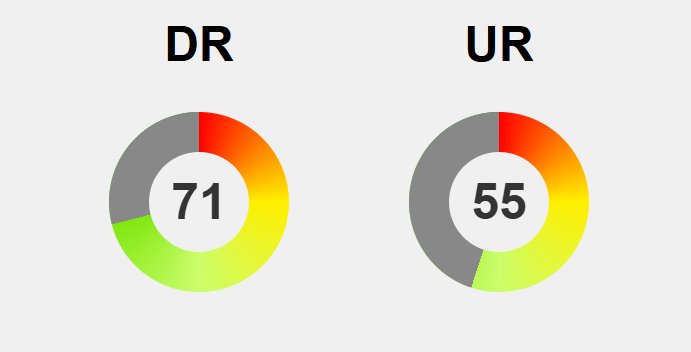
Understanding Recent Changes in Domain Rating and Their Impact
Recently, many website owners have noticed a sudden drop in their Domain Rating (DR), a key measure of a site’s online authority. This isn’t a coincidence. On September 26th, Ahrefs launched a significant algorithm update aimed at making DR and URL Ratings more precise and reflective of actual backlink quality. Instead of reacting with concern, it helps to see these changes as a natural recalibration—adjustments that offer a clearer picture of a website’s true influence.
Domain Rating is a metric developed by tools like Ahrefs to estimate how authoritative a website appears based on its backlink profile. It considers both the number of backlinks and their trustworthiness, relevance, and strength. A higher DR generally indicates a more trusted site, which can positively influence search rankings, though DR itself isn’t a direct Google ranking factor. It’s mainly a benchmark to track your backlink profile’s health over time.
The recent update from Ahrefs was designed to refine how they evaluate backlinks. Their engineers aimed to improve the accuracy of DR and URL Ratings by better assessing the quality and relevance of links. This shift aligns with the broader move toward metrics that more closely mirror search engine signals, making the data more trustworthy and useful for strategic decisions.
Since the update, many websites have experienced notable score fluctuations—some dropping by 20, 30, or even 50 points overnight. These changes can seem alarming, but they don’t necessarily mean you’ve lost backlinks or faced penalties. Instead, they reflect a recalibration in how Ahrefs weighs backlinks, emphasizing quality and relevance over mere quantity. This results in scores that better mirror a site’s actual authority and influence online.
Understanding these shifts is crucial because a sudden drop doesn’t automatically signal a problem. Often, it’s a sign that your backlink profile is being reassessed more accurately. Sites with many low-quality links may see their scores fall, while those with cleaner, high-quality backlinks might experience stability or even an increase. Recognizing this helps you focus on improving backlink quality rather than worrying about temporary score changes.
This update also highlights the importance of maintaining a healthy backlink profile. Instead of obsessing over numbers, prioritize building genuine, relevant links from reputable sources within your niche. Regular audits using tools like Ahrefs can help identify problematic links and opportunities for high-quality backlinks that support your SEO efforts. Building a trustworthy backlink profile remains central to long-term success in a landscape of evolving metrics.
Deciphering DR Fluctuations: Recalibration or Penalty?
When you see your Domain Rating suddenly dip, it’s tempting to think something serious has happened—like a penalty or a significant loss of backlinks. But in many cases, these fluctuations are simply about recalibration rather than actual damage. Ahrefs’ recent algorithm update focused on refining how backlinks are evaluated, emphasizing quality, relevance, and trust signals over sheer quantity. This means scores are now more aligned with real authority, which can cause your DR to fall even if your backlink profile remains unchanged.
The new system weighs backlinks differently, giving more importance to links from highly relevant, trustworthy sites. As a result, sites that previously benefitted from many low-quality links may see their scores decrease because those links are now devalued or ignored. Conversely, sites that have earned high-quality backlinks tend to stabilize or improve, even without acquiring new links. This shift isn’t about punishing websites; it’s about providing a more accurate reflection of true online influence.
Because DR is a relative metric, fluctuations often mirror broader competitive changes in the backlink landscape. When your competitors build stronger backlink profiles, your score might decline relative to theirs—even if your own profile remains steady. This means that a sudden drop isn’t necessarily a sign of lost links or penalties but rather a recalibration of how authority is measured in relation to others. It’s a reminder that your score is a snapshot in a constantly evolving environment.
These score changes can be confusing, but they serve as a signal to reassess your backlink strategy. A decrease often highlights the need to focus on acquiring fewer, but higher-quality, niche-relevant links. It can also indicate that some of your existing backlinks might have lost value or been devalued, prompting a review of your link profile. Recognizing this helps you shift your efforts from chasing numbers to building genuine, authoritative connections that truly boost your site’s influence.
Understanding that these fluctuations are part of a broader effort to improve metric accuracy helps prevent unnecessary panic. They underline the importance of an ongoing, strategic approach to link building—one centered on relevance, trust, and sustainability. By focusing on quality over quantity, you create a resilient backlink profile that better withstands algorithmic recalibrations and keeps your site’s authority aligned with real-world SEO performance.
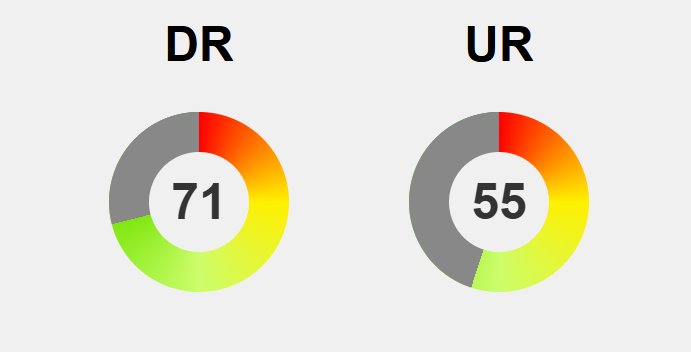
Leveraging DR Fluctuations as Strategic SEO Opportunities
When you notice your Domain Rating suddenly dropping, it’s easy to jump to the conclusion that something’s gone wrong—perhaps a penalty or a major backlink loss. But more often than not, these dips are about recalibration rather than real damage. Ahrefs’ recent update aimed to evaluate backlinks more precisely, emphasizing quality, relevance, and trust signals. As a result, scores now better reflect true authority, which can cause your DR to fall even if your backlink profile remains unchanged.
This shift means that backlinks from highly relevant, trustworthy sites now carry more weight, while low-quality links are devalued or ignored. If your site previously benefited from many questionable links, you might see your score drop because those links no longer count as much. Conversely, sites with strong, high-quality backlinks may see their scores stabilize or improve, despite not actively gaining new links. The update isn’t punishing sites; it’s fine-tuning how authority is measured to mirror real influence more accurately.
Because DR is a relative metric, fluctuations often occur as the competitive landscape shifts. When your competitors strengthen their backlink profiles, your score might decline in relation—even if your own profile remains steady. This highlights that a sudden drop isn’t necessarily about losing links or penalties but is part of a broader recalibration process. Recognizing this helps shift your focus from panic to strategy, understanding that these changes can point to opportunities rather than setbacks.
These fluctuations can serve as a wake-up call to refine your backlink approach. If your DR falls, it’s a sign to prioritize earning high-quality, niche-relevant links from authoritative sites. Auditing your existing backlinks can reveal low-value or spammy links that might be dragging your score down. Removing or disavowing these links clears the way for more meaningful connections, helping your authority rebuild on a solid foundation.
Viewing DR changes as opportunities rather than setbacks opens new pathways for growth. They encourage you to improve your link profile with intentional, high-value relationships and content that naturally attracts backlinks. By focusing on relevance, trustworthiness, and diversity in your backlinks, you’re building a resilient profile that can better withstand future algorithm updates and fluctuations. This proactive mindset turns recalibrations into catalysts for long-term SEO success.
For more insights into recent changes and how to adapt your strategy accordingly, you can explore details about the recent drastic drop in DR update. Staying informed about such updates helps you make smarter decisions to maintain and improve your site’s authority.
Revise Your SEO Approach Post-DR Update for Long-Term Success
After noticing recent fluctuations in your Domain Rating, it’s time to refine your SEO approach. Start with a thorough backlink audit using tools like Ahrefs to identify low-quality or spammy links that may be dragging your score down. Removing or disavowing these links clears the way for a healthier, more trustworthy profile, which sets a stronger foundation for sustainable growth.
Next, shift your focus toward acquiring high-quality backlinks from reputable, niche-relevant sites. Prioritize earning dofollow links from authoritative sources within your industry through targeted outreach, guest posting, and relationship building. Quality links pass stronger trust signals and are now more heavily weighted in the recalibrated metrics, helping your site regain and boost its authority over time.
Content remains central to rebuilding your backlink profile. Develop comprehensive, valuable material—such as in-depth guides, original research, or engaging multimedia—that naturally attracts backlinks. When your content offers real value, it becomes a magnet for organic links from trusted sources, strengthening your authority and resilience against future fluctuations.
Alongside content, ensure your on-site SEO is optimized to support your backlink strategy. Review your internal linking structure, meta tags, and keyword usage to improve user experience and crawlability. A well-structured, optimized site not only enhances engagement but also makes it easier for high-quality backlinks to pass value through your pages, reinforcing your overall authority.
Finally, diversify your backlink sources to reduce vulnerability to sudden shifts. Cultivate relationships across various platforms—industry directories, resource pages, guest posts, and organic mentions—to create a natural, balanced backlink profile. This diversity more accurately reflects genuine authority, helping your site stand firm amid ongoing algorithm updates and recalibrations. Focusing on these strategies ensures your SEO efforts remain effective and resilient, turning recent DR fluctuations into opportunities for long-term success.
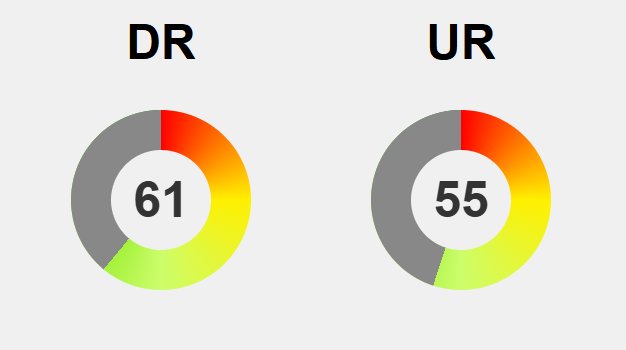
Mastering Sustainable SEO: Key Takeaways from DR Recalibration
Recent fluctuations in Domain Rating often get mistaken for penalties, but they mainly reflect an improved understanding of backlink quality and relevance. These recalibrations help paint a more accurate picture of a site’s true authority, emphasizing genuine trust signals over simple link counts. Instead of reacting with concern, view these shifts as opportunities to evaluate and strengthen your backlink profile, focusing on earning high-quality, niche-relevant links that genuinely boost your credibility.
Building a resilient backlink profile isn’t about chasing numbers; it’s about cultivating real authority through consistent, ethical efforts. Regular audits to identify and disavow low-value or spammy links lay a stronger foundation, ensuring your backlinks are trustworthy and meaningful. This approach not only helps you recover from score dips but also prepares your site to withstand future updates and fluctuations more effectively. High-quality links from reputable sources are the backbone of sustainable SEO and long-term growth.
Content continues to be the cornerstone of a successful backlink strategy. Producing comprehensive, valuable material—like in-depth guides, original research, or engaging multimedia—naturally attracts backlinks from authoritative sites. When your content offers genuine insights or solutions, it becomes a magnet for organic links that reinforce your site’s credibility. Coupling this with targeted outreach and relationship building transforms your content into a powerful tool for establishing lasting authority.
Diversification of your backlink sources remains essential for stability. Relying heavily on a handful of domains or link types makes your profile vulnerable to sudden shifts. Instead, aim for a broad spectrum—industry directories, resource pages, guest posts, and organic mentions—that mirrors a natural, trustworthy link profile. This diversity not only stabilizes your DR but also aligns with how search engines evaluate true authority, making your site more resilient to ongoing algorithm recalibrations.
Focusing on authentic, high-quality backlinks and valuable content ensures your SEO efforts are sustainable and future-proof. Fluctuations in metrics like DR are inevitable but shouldn’t distract from the bigger picture. By maintaining a steady commitment to ethical link-building and continuous content improvement, you create a robust foundation that supports long-term growth, even amid ongoing updates. In the end, genuine authority and trustworthiness remain the most reliable keys to lasting online success.