Behind every safe, reliable home electrical system lies the meticulous work of skilled electricians—masters of safety, precision, and craftsmanship. They transform chaotic wiring into organized power networks by adhering to strict standards, using specialized tools, and following detailed blueprints. Their expertise ensures every circuit is safe, efficient, and durable, but how do they master such accuracy amid complex environments? As homes evolve with smart devices and renewable energy, electricians face new challenges that demand continuous learning, innovative solutions, and advanced techniques. From troubleshooting elusive problems to retrofitting outdated wiring, their work balances safety with cutting-edge technology. Will their evolving skills keep pace with future demands? Are today’s rigorous standards enough to guarantee long-term safety? This field is dynamic, demanding unwavering commitment to quality, ongoing education, and adaptability—transforming potential hazards into dependable power for modern living.
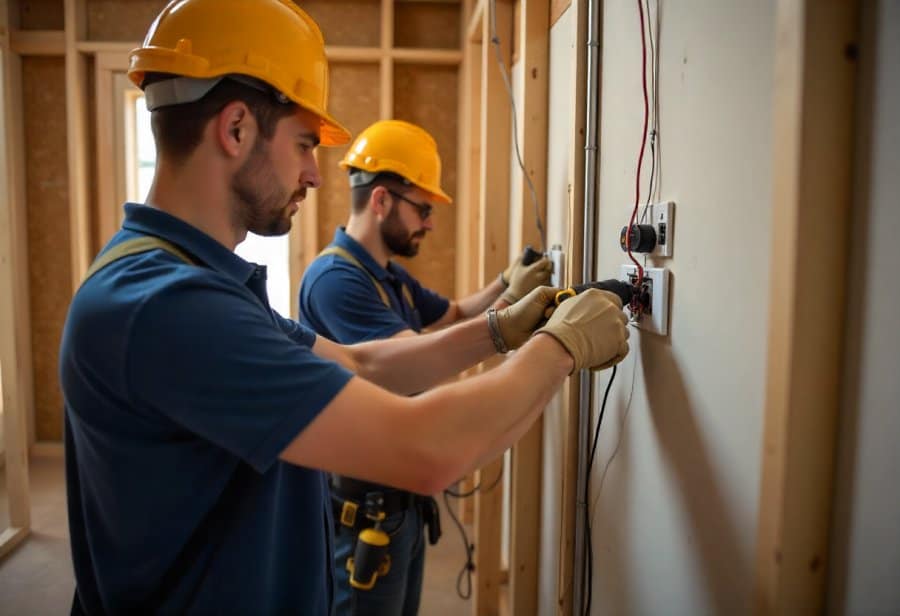
Harnessing Precision and Safety to Power Modern Life
Electricity is the backbone of modern life, powering everything from our lights to our appliances. Behind this convenience, however, lies a complex system that requires careful handling to ensure safety and reliability. Electricians are the professionals responsible for transforming chaotic wiring into organized, dependable power sources. Their work involves precise planning, detailed installation, and strict adherence to safety standards—skills that are essential to prevent hazards like shocks, fires, or system failures.
Safety is at the core of every electrical project. Electricians follow established codes and standards, which are based on decades of research and practical experience. These guidelines aren’t arbitrary rules but proven protocols designed to protect homes and their occupants. By integrating these standards into their work, electricians minimize risks such as overloads or faulty grounding, safeguarding both themselves and the people they serve.
Precision in wiring and system planning is equally vital. Small errors—like loose connections or miscalculations—can have serious consequences down the line. Electricians measure everything meticulously, follow detailed blueprints, and select the right materials for each task. This careful attention to detail helps ensure that circuits operate smoothly, reducing the chance of failures and extending the system’s lifespan. It’s this commitment to accuracy that makes the difference between a safe, long-lasting system and one that’s prone to trouble.
Tools and techniques are the electrician’s best allies in maintaining safety and precision. From wire strippers that prevent insulation damage to voltage testers that verify circuits are de-energized, these instruments help electricians work efficiently and safely. Techniques like conduit installation require exact measurements and careful routing to protect wires from damage and facilitate future troubleshooting. Combining the right tools with proven methods creates a foundation of trust and safety in every project.
Before energizing a system, electricians conduct thorough inspections and testing. They verify all connections, ensure grounding is proper, and confirm that circuits function within safe parameters. Using multimeters and circuit testers, they identify potential issues early and address them promptly. This validation process ensures that the entire electrical system meets safety standards before it’s turned on, providing peace of mind for homeowners and technicians alike.
Tools and Techniques that Guarantee Electrical Safety and Accuracy
Electricians depend heavily on a carefully curated set of specialized tools that ensure their work is both precise and safe. Wire strippers are fundamental, allowing electricians to remove insulation cleanly without damaging the wire itself. This simple step is crucial for creating secure connections and reducing the risk of shorts or electrical faults. Voltage testers are another essential device—they help electricians verify whether a circuit is live or de-energized, preventing dangerous shocks before beginning work.
Beyond these basic tools, fish tapes play a vital role in guiding wires through tight spaces, behind walls, or within conduits. They make installation smoother and help avoid mistakes that could compromise safety later on. Proper measurement tools, such as tape measures and laser distance finders, enable electricians to plan routing accurately, which is critical for ensuring the system’s reliability and ease of future maintenance.
The techniques electricians employ revolve around meticulous planning and precise execution. Conduit installation, for example, demands careful measurement, bending, and fitting. Proper routing not only protects wires from damage but also simplifies troubleshooting down the line. Accurate wire gauges and secure, tight connections minimize risks like overheating or overloads, which could lead to hazards or system failures.
Creating an organized wiring system is another key approach. Electricians often develop detailed blueprints before starting work, mapping out every wire and connection. This planning reduces the chances of errors during installation and helps ensure the system functions reliably over the long term. Securing wires properly and following a logical layout minimizes clutter and potential interference, crucial for both safety and performance.
Safety protocols are integrated deeply into every technique. Lockout/tagout procedures isolate circuits during work, eliminating the risk of accidental energization. Electricians wear insulated gloves, goggles, and use insulated tools to protect themselves from shocks and sparks. These safety measures are not add-ons but core parts of the process, enabling electricians to work confidently in challenging environments.
Mastering these tools and techniques transforms complex wiring projects into safe, dependable systems. Every measurement, connection, and routing decision is made with precision and purpose, reducing errors and hazards. When executed correctly, these practices produce electrical systems that are durable, easy to troubleshoot, and compliant with safety standards. The combination of specialized equipment and meticulous techniques forms the backbone of quality electrical work, ensuring homes are powered safely and efficiently.
Expert Electrical Solutions for Your Greater Toronto Area Home
North York Electricians (NYE) offers top-tier Professional electrical installation and comprehensive residential electricians services across the Greater Toronto Area. Specializing in residential wiring and installation, NYE provides expert home wiring service and lighting design and upgrades to enhance your living space. Their team excels in installing and configuring smart switches, thermostats, security systems, and home automation for modern, connected homes. Additionally, they focus on upgrading to eco-friendly LED lighting, energy-saving panels, and sustainable electrical designs to promote energy efficiency. For reliable electrical repairs and troubleshooting, contact North York Electricians today at 416-508-0206 or visit their website for more information.
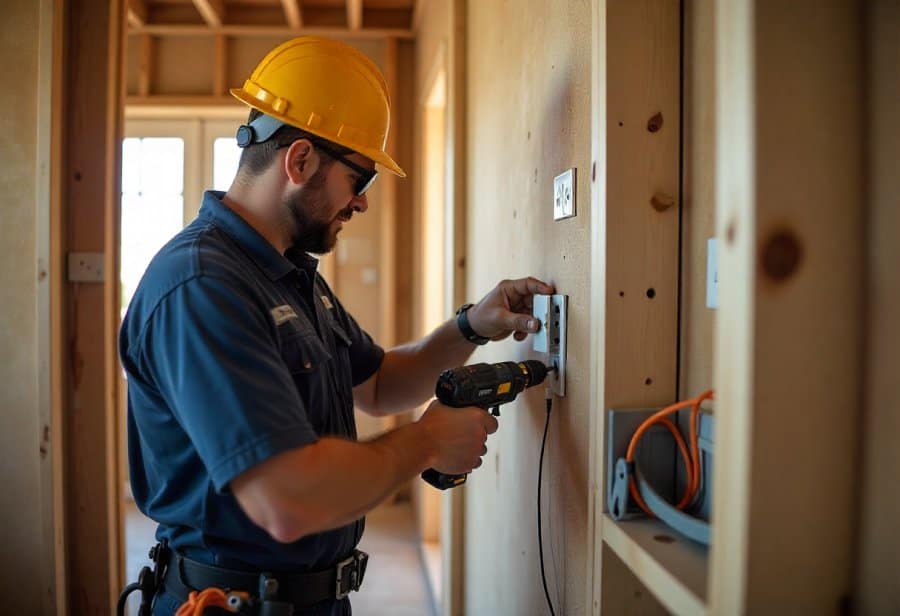
Upholding Standards: How Electricians Ensure Compliance and Longevity
Electricians play a crucial role in ensuring their work aligns with strict safety standards and regulations. These codes are far from bureaucratic hurdles; they stem from decades of research and practical experience aimed at protecting homes and their occupants. Before starting any project, a professional electrician reviews relevant national and local electrical codes, such as the NEC in the U.S., to plan their work accordingly. This proactive approach helps prevent common hazards like overloads, faulty grounding, or short circuits that could lead to fires or shocks.
During installation, electricians follow detailed procedures that strictly adhere to these standards. Proper grounding, secure connections, and appropriate circuit protection aren’t optional—they’re essential steps in their process. Using certified materials and prescribed wiring methods ensures every aspect of the system meets safety requirements, creating a foundation of reliability and durability. These practices aren’t just about passing inspections; they’re about building systems that are safe for long-term use.
Once wiring is complete, electricians conduct thorough inspections and testing to verify compliance. They utilize specialized tools like multimeters and circuit testers to check voltage levels, continuity, and proper grounding. These tests help identify potential issues that might not be immediately visible but could compromise safety later. Addressing these problems early prevents hazards and ensures the system functions within safe parameters before energizing.
Documentation forms an integral part of maintaining safety standards. Electricians record their testing results and inspection procedures, creating a clear trail that demonstrates adherence to codes. This documentation supports inspections by local authorities and provides a useful reference for future troubleshooting or upgrades. It reassures homeowners that their electrical system isn’t just operational—it’s safe and compliant with all relevant standards.
Coordination with local inspectors marks the final step before energizing a system. Electricians submit their work for approval, ensuring every detail has been reviewed and meets legal requirements. Passing these inspections isn’t merely a formality; it confirms the system’s safety and integrity. Through diligent planning, precise execution, comprehensive testing, and proper documentation, electricians uphold high safety standards that protect everyone in the home.
Adhering to safety standards isn’t just about compliance; it’s about fostering trust and confidence in the electrical system. Electricians understand that their work has a direct impact on safety and longevity, so they treat every project with meticulous care. This commitment to standards helps prevent accidents, reduces the risk of future failures, and ensures the home’s electrical system remains a safe, reliable backbone for daily life.
In a field constantly evolving with new technologies and updated regulations, continuous education is vital. Electricians stay current through ongoing training, seminars, and certifications, which keeps their skills sharp and their knowledge fresh. This dedication to learning ensures they can meet emerging challenges confidently and maintain the highest safety standards in every project.
Ultimately, ensuring compliance and safety is an active, ongoing process that requires attention to detail, rigorous testing, and a commitment to best practices. Electricians who embrace this responsibility not only protect their clients but also uphold the integrity of their profession. Their expertise turns complex codes into reliable, safe electrical systems that stand the test of time.
Maintaining compliance also involves staying informed about the latest safety practices and regulations. For electricians seeking to enhance their knowledge and ensure their work meets current standards, exploring comprehensive training options can be highly beneficial. You can find valuable resources and training programs at Training and certification pathways for professional electricians.
Diagnosing and Fixing Electrical Issues to Safeguard Your Home
When electrical problems arise in a home, electricians approach diagnosis with a clear, systematic mindset. They start by gathering detailed information from homeowners about the symptoms—such as flickering lights, outlets that won’t turn on, or unusual circuit behavior. This initial step helps narrow down potential causes and guides their diagnostic process, saving time and reducing guesswork.
Using specialized tools like multimeters and circuit testers, electricians verify whether circuits are live, measure voltage levels, and check for continuity. These instruments provide concrete data, allowing electricians to pinpoint issues accurately rather than relying on assumptions. This precision helps prevent accidental shocks and ensures that repairs address the root cause.
Troubleshooting often involves inspecting connections, testing individual wires, and examining components like switches, outlets, or circuit breakers. For example, loose connections might cause intermittent power, while damaged wires could lead to overheating. Electricians interpret test results carefully to understand how different problems manifest and determine the most effective fix.
Once they identify the source of the issue, electricians proceed with targeted repairs. This might mean tightening loose connections, replacing worn-out parts, or rerouting wires to prevent future problems. They then re-test the system thoroughly to confirm that everything is functioning safely and correctly before restoring power, ensuring long-term reliability.
Handling complex wiring environments, especially in older homes or integrated smart systems, demands a combination of technical skill and problem-solving. Electricians often need to organize tangled wiring, replace outdated components, or adapt existing setups to modern standards. Their ability to troubleshoot effectively directly impacts the safety and performance of the entire electrical system.
Throughout the process, safety remains a top priority. Electricians follow protocols like lockout/tagout procedures to isolate circuits during repairs, reducing the risk of accidental energization. They wear insulated gloves, goggles, and use insulated tools to protect themselves from shocks or sparks, working confidently even in challenging environments.
By following a logical, step-by-step approach, electricians ensure that repairs are thorough and durable. Their careful testing and precise interventions prevent recurring issues and help maintain the integrity of the electrical system. This methodical process not only restores functionality but also reinforces safety for homeowners and technicians alike.
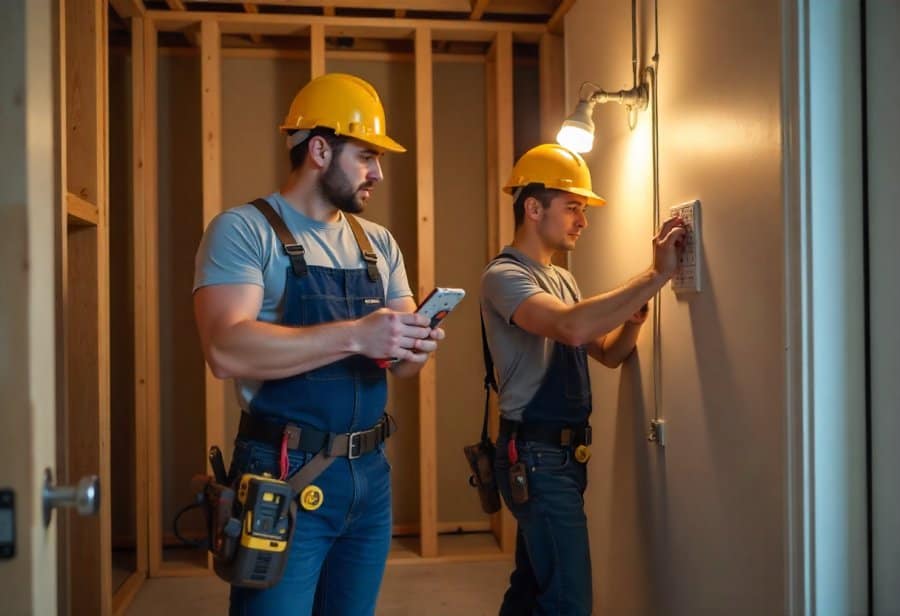
Navigating Challenges and Embracing Innovation in Electrical Safety and Technology
Electricians today navigate a landscape that’s rapidly evolving, driven by new technologies and increasingly complex wiring environments. Modern homes are filled with smart devices, automation systems, and energy-efficient circuits that demand a higher level of technical skill. Managing these intricate setups requires careful planning, precise installation, and the ability to troubleshoot unexpected issues. Balancing advanced functionality with safety and future-proofing remains a major challenge, pushing electricians to develop innovative solutions that keep systems reliable and accessible for upgrades down the line.
Keeping pace with ever-changing safety codes and standards adds another layer of complexity. Regulations like the National Electrical Code are updated regularly to reflect technological advancements and lessons learned from past incidents. Staying current means ongoing training and certification, which are essential for maintaining competence and trustworthiness. Falling behind on these updates could lead to unsafe installations or failed inspections, emphasizing the importance of a proactive attitude and continuous learning in the profession.
Emerging trends are reshaping the way electricians approach their craft. The rise of smart wiring, home automation, and renewable energy systems introduces new techniques and challenges. Integrating solar panels, battery storage, and interconnected devices seamlessly while ensuring safety requires a blend of technical expertise and creative problem-solving. Electricians who embrace these trends often find themselves in high demand, guiding homeowners and businesses through transitions to more sustainable, connected living environments. However, staying ahead demands investment in the latest tools, training, and a mindset open to innovation.
Complex wiring environments, especially in older structures, pose unique hurdles. Retrofitting modern technology into existing spaces often involves untangling outdated wiring and navigating structural limitations. This process demands meticulous planning and problem-solving skills, transforming potentially hazardous or disorganized systems into safe, dependable setups. Electricians must balance respecting the building’s integrity with the need for modernization, which can be both technically demanding and creatively demanding.
To succeed amid these challenges, electricians must prioritize lifelong education and technological adaptability. Industry seminars, certifications, and professional networks provide crucial updates and support. Investing in new tools and techniques enhances efficiency and safety, enabling electricians to meet the future’s demands confidently. The ability to adapt and grow ensures that they can deliver systems that are not only compliant today but also resilient in the face of tomorrow’s innovations. Their commitment to continuous improvement defines the path forward in a dynamic, demanding field.