What if the greatest obstacle to learning to swim isn’t the water itself, but the fear of taking that first courageous step? This inspiring guide reveals that swimming is a lifelong skill, accessible to everyone regardless of age or background. It emphasizes that progress isn’t about perfection but persistent small victories—whether floating a moment longer or mastering a calming breath. Discover how foundational techniques and inclusive, modern instruction have transformed water confidence from a daunting challenge into a joyful journey. Through patience, safety, and positive reinforcement, learners can turn water from an enemy into a trusted ally for health, safety, and empowerment. Are you ready to embrace the water and unlock a lifetime of confidence, resilience, and happiness? This journey is about more than swimming—it’s about discovering your capacity to grow, overcome fears, and thrive beyond the pool.
Embrace the Water Confidence Journey and Overcome Your Fears
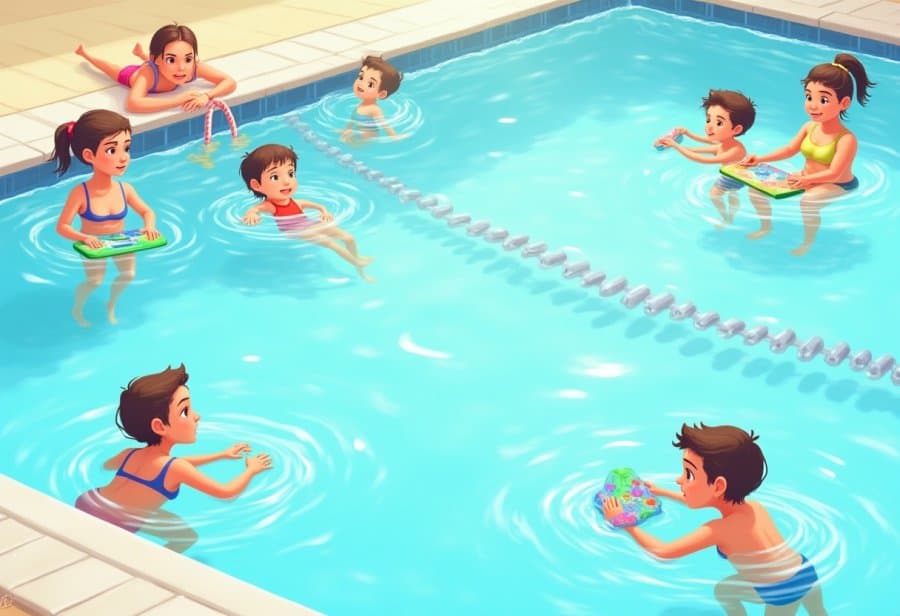
Learning to swim isn’t just a childhood milestone—it’s a skill that anyone can develop at any age. Many adults carry water fears that seem intimidating to overcome, but the truth is, it’s never too late to start. Taking that first step into the water might feel daunting, especially if past experiences or anxieties have left you hesitant. Yet, every small effort—whether dipping your toes or floating on your back—builds trust in your body and the water around you.
This journey is about more than just mastering strokes; it’s about transforming your relationship with water. Overcoming water fears opens doors to safety, relaxation, and enjoyment. Knowing how to swim can prevent accidents and even save lives, especially around pools, lakes, or beaches. Beyond safety, swimming offers numerous health benefits: low-impact exercise, improved cardiovascular health, and increased flexibility. For many, learning to swim becomes a pathway to a more active lifestyle and a boost in confidence.
Starting this process doesn’t require tackling everything at once. It’s about setting realistic goals and celebrating each small victory. Whether it’s floating longer, breathing calmly in the water, or sitting comfortably in the shallow end, these moments mark progress. Recognizing these achievements helps turn water from a source of anxiety into a space of empowerment. Patience and persistence are key—each step forward gradually replaces hesitation with confidence.
Fears rooted in childhood, media stories, or unfamiliarity are normal. The secret is to approach water learning with kindness and a gentle mindset. Supportive instruction, consistent practice, and a focus on safety become your best allies. With each small step, the water transforms from an obstacle into a place of discovery and joy. This process isn’t about perfection but about progress, and every effort builds resilience and trust.
Remember, learning to swim at any age is a personal journey. It’s about embracing the process—acknowledging fears, celebrating victories, and staying committed to growth. With patience, support, and a positive outlook, the water can become a lifelong source of confidence, safety, and happiness. Taking that first brave step might be the hardest part, but it’s also the beginning of a rewarding transformation.
Foundations of Learning to Swim: Building Trust and Safety
The foundations of learning to swim are deeply rooted in both history and effective instructional principles that have stood the test of time. Swimming has been an essential skill across cultures for thousands of years, serving purposes from survival and transportation to leisure and recreation. Early methods often relied on simple, practical techniques passed down through generations, emphasizing safety and familiarity with water. Over time, these approaches have evolved into structured, evidence-based methods designed to foster confidence and ensure safety.
Modern swimming instruction combines traditional wisdom with scientific insights into how people learn and adapt to water. At its core are the fundamental skills that build trust—floating, controlled breathing, and gentle kicks. These basics are the building blocks for more advanced techniques and help learners feel secure, reducing anxiety and encouraging progress. Clear communication from instructors and encouragement are vital, especially for beginners who may feel nervous or unsure.
Different cultures contribute unique approaches to water learning, enriching current teaching methods. Coastal communities often introduce children early to practical survival skills and rescue techniques, while Eastern traditions focus on harmony and fluid movement, promoting grace and control. Recognizing these diverse influences allows instructors to tailor their approach, making water learning more inclusive and effective for a wide range of learners.
Mastering a few core skills sets the foundation for confidence. Learning to float comfortably on the back or stomach provides stability and calmness, while proper breathing—inhale through the mouth and exhale steadily—can prevent panic. Developing simple kicks like flutter kicks offers propulsion and energy conservation, making swimming feel more manageable. Equally important are safety practices, such as never swimming alone and understanding pool rules, which build a secure environment for beginners.
The evolution of swimming instruction reflects a shift toward making learning accessible and engaging. Advances in technology, like underwater video analysis and virtual coaching, help learners see their progress and correct mistakes more easily. Community programs and initiatives work to reduce barriers, offering affordable or free lessons, especially in underserved areas. These efforts have transformed water learning from a daunting challenge into an achievable, rewarding journey.
Today’s teaching methods emphasize adaptability and inclusivity. The focus is on creating a safe, supportive space where learners can gradually build skills and confidence at their own pace. This approach recognizes that everyone’s water journey is unique, and progress varies from person to person. By encouraging patience and persistence, instructors help students develop a positive relationship with water that lasts a lifetime.
In sum, the core principles of effective swimming instruction—trust, safety, gradual exposure, and personalized support—lay the groundwork for lifelong water confidence. These foundations ensure that anyone, regardless of age or background, can learn to swim with confidence and joy. Building on this solid base opens doors to new experiences, safety, and an enduring love for the water.
Current Landscape of Swimming Education: Accessibility and Innovation
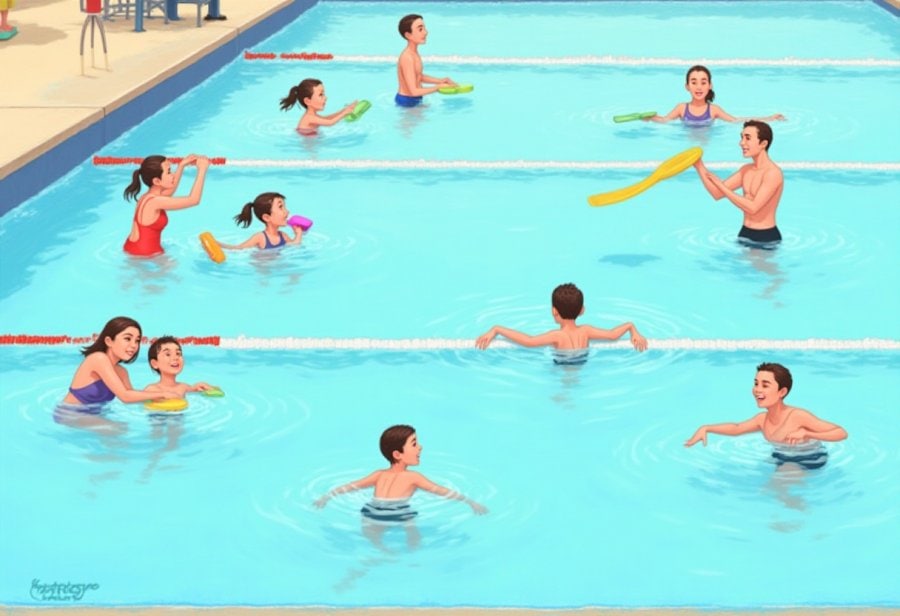
Today, learning to swim is more accessible than ever, thanks to technological advances and a stronger focus on inclusivity. Digital tools like video analysis and virtual coaching allow learners to see their progress in real time and make corrections more easily, boosting confidence early on. Many programs now offer online tutorials and resources, enabling people to practice foundational skills at their own pace before stepping into the water. These innovations lower traditional barriers, making water confidence achievable for a broader audience.
Community initiatives and nonprofit organizations play a vital role in expanding access. They work tirelessly to reduce financial and geographical hurdles by providing affordable or free lessons, especially in underserved areas. This emphasis on inclusivity helps ensure that age, background, or income no longer determine who can learn to swim. Creating safe, welcoming environments with clear safety guidelines and reliable equipment encourages more people to take that first step and stick with it.
The rise of adult swim programs reflects a changing attitude: swimming isn’t just for kids. It’s recognized as an essential life skill at any age, vital for safety, health, and enjoyment. These classes focus on building confidence gradually, understanding that many adults have fears rooted in early experiences or media stories. By addressing these concerns directly, instructors help learners see water as a place of empowerment rather than danger.
Technology also revolutionizes instruction itself. Underwater cameras and virtual reality tools let learners visualize their movements and identify areas for improvement. Making lessons interactive and engaging helps sustain motivation, especially for those overcoming water fears. These tools turn what once felt intimidating into an inspiring process, encouraging persistence and continuous growth.
Despite these positive developments, challenges remain. Not every community has access to quality facilities, and affordability can still be a barrier. Misconceptions about how difficult it is to learn often discourage potential swimmers. Overcoming these hurdles requires ongoing efforts to improve infrastructure, promote accurate information, and foster welcoming environments for learners of all ages.
As the landscape of swimming education continues to evolve, the focus remains on making water confidence accessible, safe, and inviting. With continued innovation and inclusivity, more people will discover the joy, safety, and lifelong benefits that come with learning to swim.
Practical Strategies to Conquer Water Fear and Cultivate Confidence
Starting your water confidence journey doesn’t mean you have to take on everything all at once. Break your goals into small, manageable steps that gradually build trust and reduce anxiety. Begin with simple actions—splashing water on your face, sitting at the shallow end, or gently dipping your toes in. These small exposures help you become familiar with the water environment without feeling overwhelmed, setting a foundation of comfort. Focusing on your breathing—deep inhales and steady exhales—can keep panic at bay and promote calmness during each step.
A positive mindset fuels progress. Celebrate every little victory, whether it’s floating a few seconds longer or taking a deep breath underwater. Recognizing these moments reinforces your confidence and motivates continued effort. Visualize yourself succeeding—floating effortlessly or swimming a few strokes—to shift your focus from fear to ability. Remember, conquering swimming anxiety is a gradual process; patience and persistence are your best allies.
Safety always comes first. Stick to shallow areas where you feel secure, and use flotation devices if needed. Having a trained instructor or a trusted companion nearby provides reassurance and support. Learning basic water safety rules, like knowing your limits and avoiding risky behaviors, helps you feel more in control. These safety practices create a secure environment, allowing you to focus on building skills without fear.
Break your larger goals into small, achievable targets. Aim to float unaided for a few seconds, then slowly increase that time. Practice breathing exercises regularly—on land and in the water—to make calmness second nature. Avoid comparing yourself to others; progress varies from person to person. Consistent effort, even in brief sessions, adds up over time and boosts your water confidence.
Overcoming water fears isn’t about perfection but persistence. When anxiety strikes, pause, breathe deeply, and remind yourself of your small successes. Setbacks are natural—use them as opportunities to learn rather than reasons to give up. Building trust in the water takes time, but each step forward makes you more capable and confident. Focus on progress, not perfection.
Tracking your progress can boost motivation. Keep a journal of your practices, feelings, and achievements each session. Watching your improvement over days or weeks reinforces that you’re capable of change. Watching videos of yourself swimming or floating can reveal progress you might not notice in the moment. These visual cues serve as reminders that your efforts are paying off and encourage you to keep going.
Building lifelong water confidence is a journey of patience, persistence, and self-compassion. Every small victory—whether floating longer or feeling more relaxed—strengthens your trust in the water. Embrace setbacks as part of the process; they deepen your resilience and understanding. By maintaining a positive outlook and staying consistent, the water transforms from a source of fear into a space of empowerment and joy. Each step you take paves the way for a future where water is not an obstacle, but a lifelong source of safety, health, and happiness.
Reflections and Inspiration for Lifelong Water Confidence and Growth
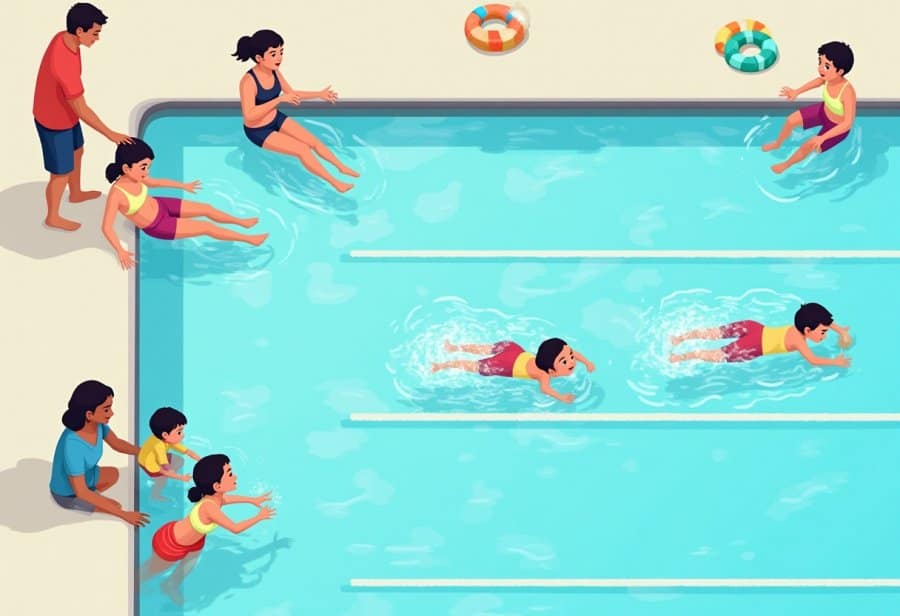
Building lifelong water confidence goes beyond simply mastering strokes or passing beginner tests; it’s about cultivating a mindset rooted in resilience, curiosity, and patience. Each small victory—whether it’s floating a little longer or feeling more relaxed in the water—serves as a reminder of how far you’ve come. These moments reinforce that progress isn’t linear but built step by step, gradually turning water from an obstacle into a space of trust and empowerment.
Setbacks are natural and inevitable, but they shouldn’t be seen as failures. Instead, view them as essential parts of your learning process. Every challenge you encounter, from a difficult lesson to moments of doubt, helps deepen your understanding of your abilities and builds resilience. This approach transforms water from a source of fear into an arena for growth, making each experience an opportunity to learn and adapt. Embracing this mindset makes the journey more rewarding and sustainable.
The confidence you develop in the water naturally spills over into other areas of life. It teaches patience, persistence, and the importance of steady effort. Watching yourself overcome fears and improve skills reinforces the belief that you can handle obstacles beyond the pool. This sense of achievement boosts self-esteem and encourages you to pursue new goals with an open, brave outlook. Swimming becomes more than just a skill—it becomes a symbol of your capacity to grow through perseverance.
To keep your journey engaging, consider setting new challenges that push your boundaries in different ways. Perhaps exploring new water environments like lakes or oceans, or trying activities like water aerobics or snorkeling, can deepen your connection to water. These experiences broaden your skills and keep the learning process fresh and exciting, ensuring that your water confidence journey remains a lifelong adventure of discovery and joy.
Sharing your progress with others can enhance motivation and foster a sense of community. Whether through joining a local swim group, teaching someone else, or simply sharing your stories with friends, these interactions create accountability and support. Celebrating milestones together not only boosts your confidence but also inspires others to start or continue their own water confidence journeys. In the end, water becomes a lifelong source of safety, happiness, and personal growth—an enduring space where confidence continues to flourish.